Have you checked out the rice selection at your grocery store lately? The options have expanded and now include Arborio, Basmati, black, and jasmine rice, just to name a few.
The Difference Between Basmati and Jasmine Rice: How to Choose?

Елена Талин
3 min
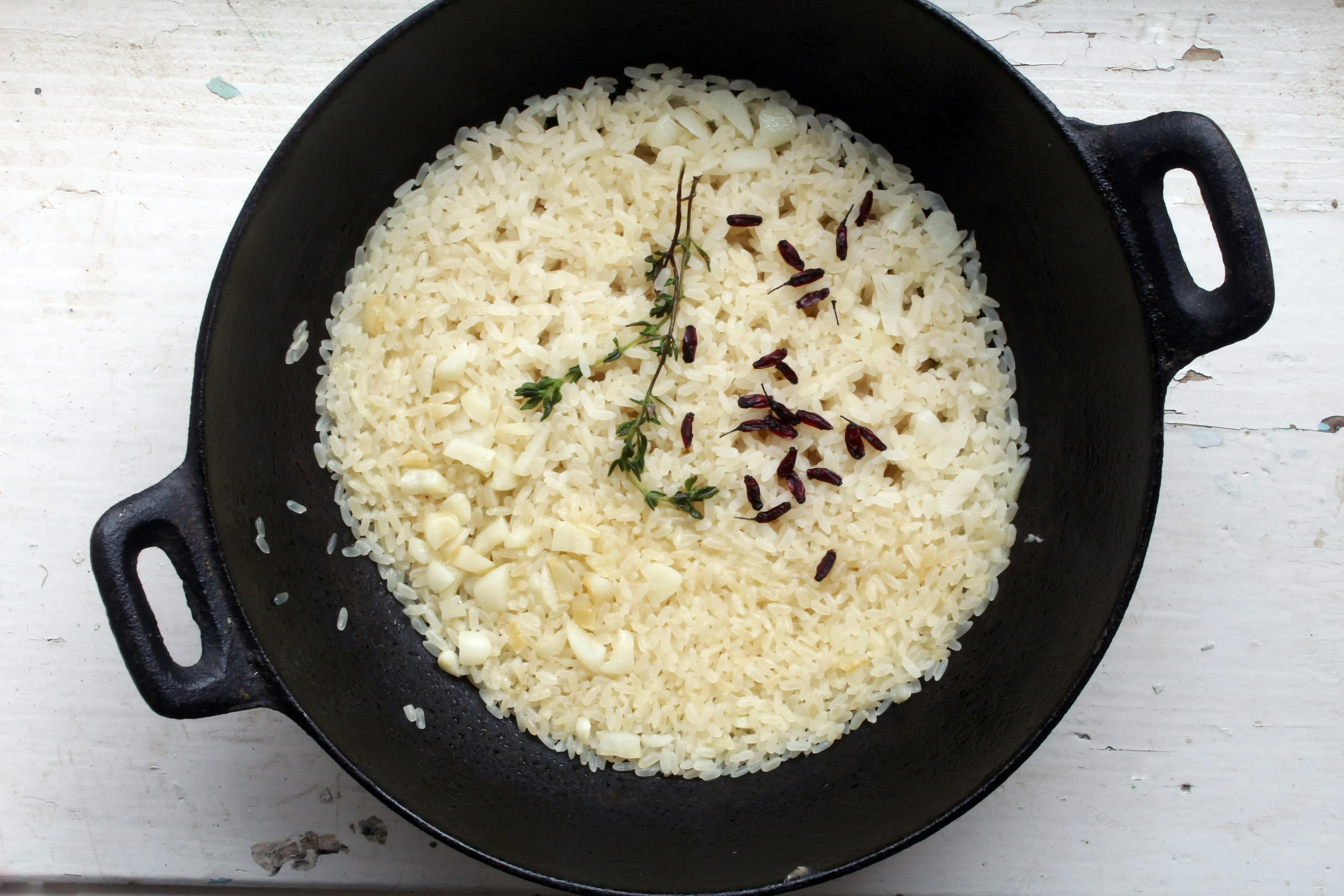
What is Basmati Rice?
The name basmati rice comes from the Sanskrit word basamati, which means "fragrant".<br><br>Basmati rice is a northern Indian variety of rice grown at the foothills of the Himalayas. This rice can be described as nutty in flavor with a slight floral note. Many chefs and home cooks love to work with basmati rice because it has long grains that are slightly tapered at the ends.<br><br>Basmati is naturally delicate and produces a relatively low yield, making it a labor-intensive and expensive food product to produce. To keep prices low, some producers attempt to grow more resilient basmati with higher yields.<br><br>The rice can be steamed in a double boiler, which prevents any burning or sticking of the rice to the bottom of the pot. The rice can also be cooked using the traditional rice-to-water ratio method, where the water is absorbed. Alternatively, it can be prepared like pasta, where the rice is cooked in water and then drained.<br><br>Chefs and home cooks find basmati rice to be a reliable grain to use in a wide range of dishes. It becomes fluffy when cooked, but the grains remain well separated; this means the rice easily absorbs sauces. When basmati rice is cooked, it expands to nearly twice its size and works well in dishes like curry or dal.<br><br>What are the health benefits of basmati rice? The grains are gluten-free and low in fat. The rice is also low in sodium, cholesterol-free, and contains all eight essential amino acids and folic acid.
What is Jasmine Rice?
Jasmine rice is a long-grain variety of aromatic rice, also known as fragrant rice. The aroma of the rice is the scent of a plant called pandan, which also emits the fragrance of buttered popcorn.<br><br>Steamed jasmine rice can be served as a side dish, accompany curries or other dishes, or be flavored with other tastes or herbs. Jasmine rice can also be used as a base for pilaf dishes or fried rice combinations.<br><br>It is popular in Southeast Asian cuisine, where people use this rice in several dishes throughout the day.<br><br>Compared to other types of long-grain rice available in stores, jasmine rice typically cooks relatively soft and sticky with a delicate yet firm chewy texture. The rice contains less amylose — a starch that resists water — and gels at lower temperatures than varieties like basmati. This means the grains will break apart at lower temperatures.<br><br>Jasmine rice, with its slightly chewy grain texture, is best suited for steaming and is most commonly served with curries and stir-fried dishes like krapow, as well as in rice dishes like fried rice and biryani with chicken.
Basmati Rice vs Jasmine Rice in Cooking
Both basmati and jasmine rice are long-grain varieties of rice that require rinsing before cooking. Their grains also remain separate, although jasmine is slightly plumper and softer than basmati, which has a drier texture.<br><br>The different textures and starch content between the two types determine how each type of rice cooks.<br><br>Basmati rice should be soaked for at least 30 minutes before cooking. Jasmine rice, on the other hand, is ready to steam after rinsing. Being a softer type of long-grain rice, it does not require soaking and needs less water. The usual ratio is 1 cup of rice to 1 1/4 cups of water.<br><br>So, can these two popular types of rice be used interchangeably? YES, despite their different textures and flavors, basmati and jasmine rice are often substituted for one another.
Basmati rice is known for its ease of cooking and nutty, floral aroma. Jasmine rice comes in various colors, including white, brown, black, purple, and red. If you want to compare Basmati and jasmine rice, you'll see that they look quite similar. Both are types of long-grain white rice, but they are actually very different ingredients.
This content was translated with the help of AI and may contain inaccuracies.
Similar recipes
Related reading
3 min
Should You Always Rinse Rice Before Cooking?
4 min
What is bulgur? Nutritional benefits, preparation, and storage
4 min
White, Yellow, Red Onion: What is the Difference?
5 min
Everything You Ever Wanted to Know About Cinnamon
4 min
Brown Eggs vs White Eggs: Is There a Difference?
4 min
What is Sashimi?
5 min
What is Saffron?
5 min
What is a casserole?