Most recipes and rice packages recommend rinsing it before cooking. However, some chefs, food experts, and home cooks disagree. There are certain recipes or types of rice that do not require rinsing before cooking. Here’s what the experts say.
Should You Always Rinse Rice Before Cooking?

Елена Талин
3 min
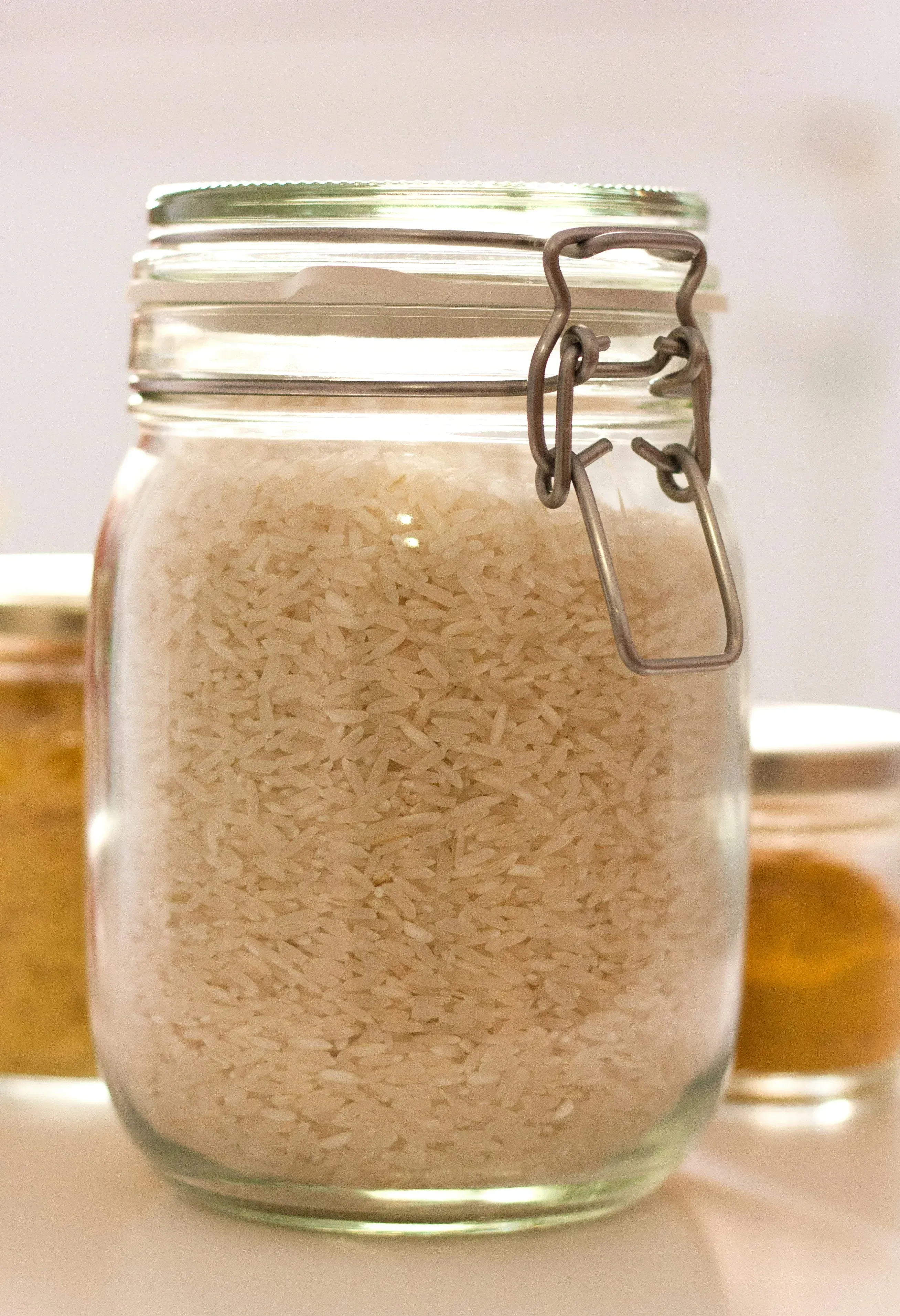
Fluffy or Sticky Rice
In addition to washing away debris and arsenic, rinsing rice also helps remove excess starch from the rice. This is especially true for white rice, where the bran has been removed from the rice grains, leaving starch. Rinsing the starch leads to a fluffier and lighter texture and greater separation between individual grains.
"Generally speaking, it's good to rinse, but it's not necessary," says registered dietitian and chef Wesley McWhorter, director of Suvida Healthcare. "Some dishes may benefit from the extra starch, like risotto."
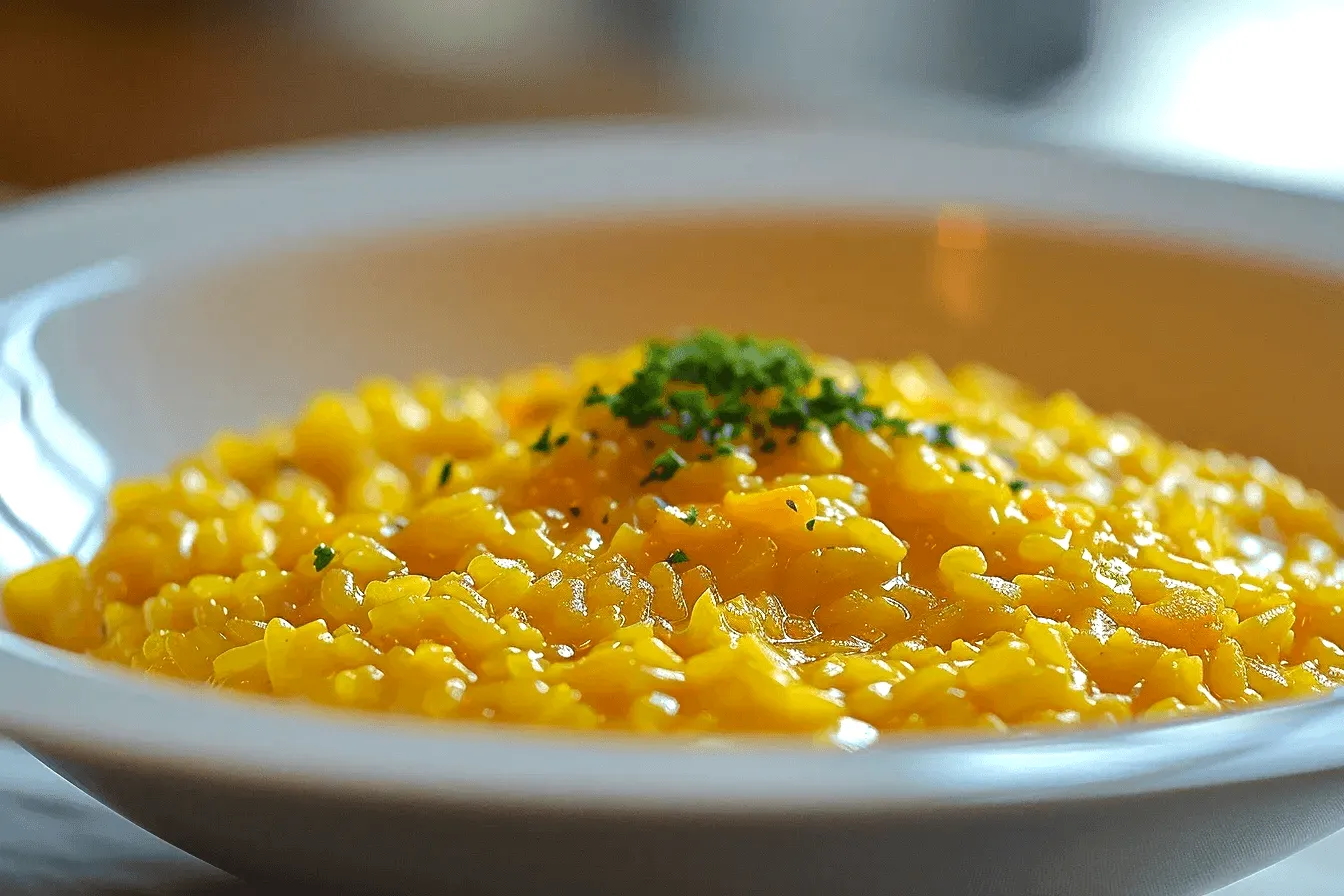
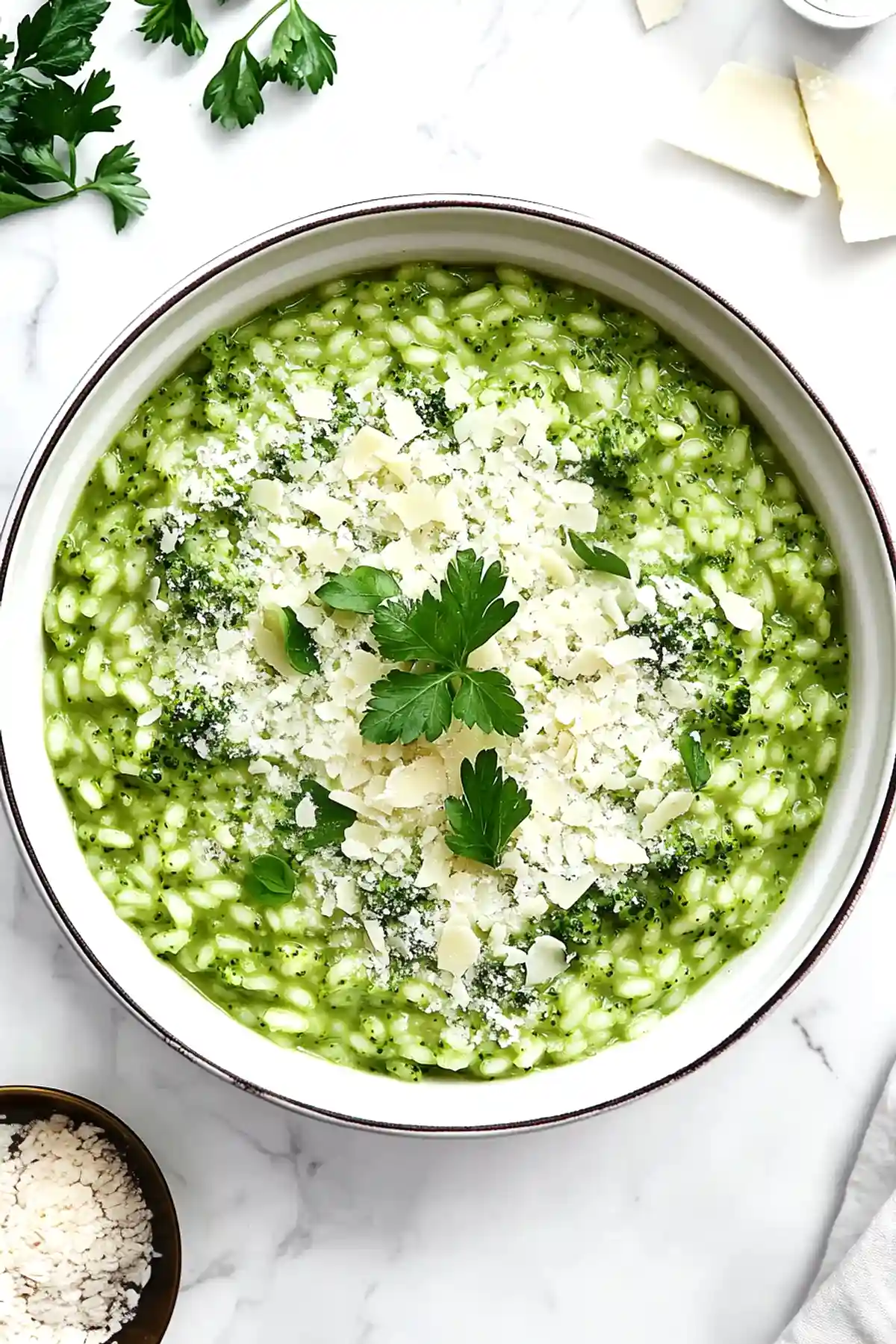
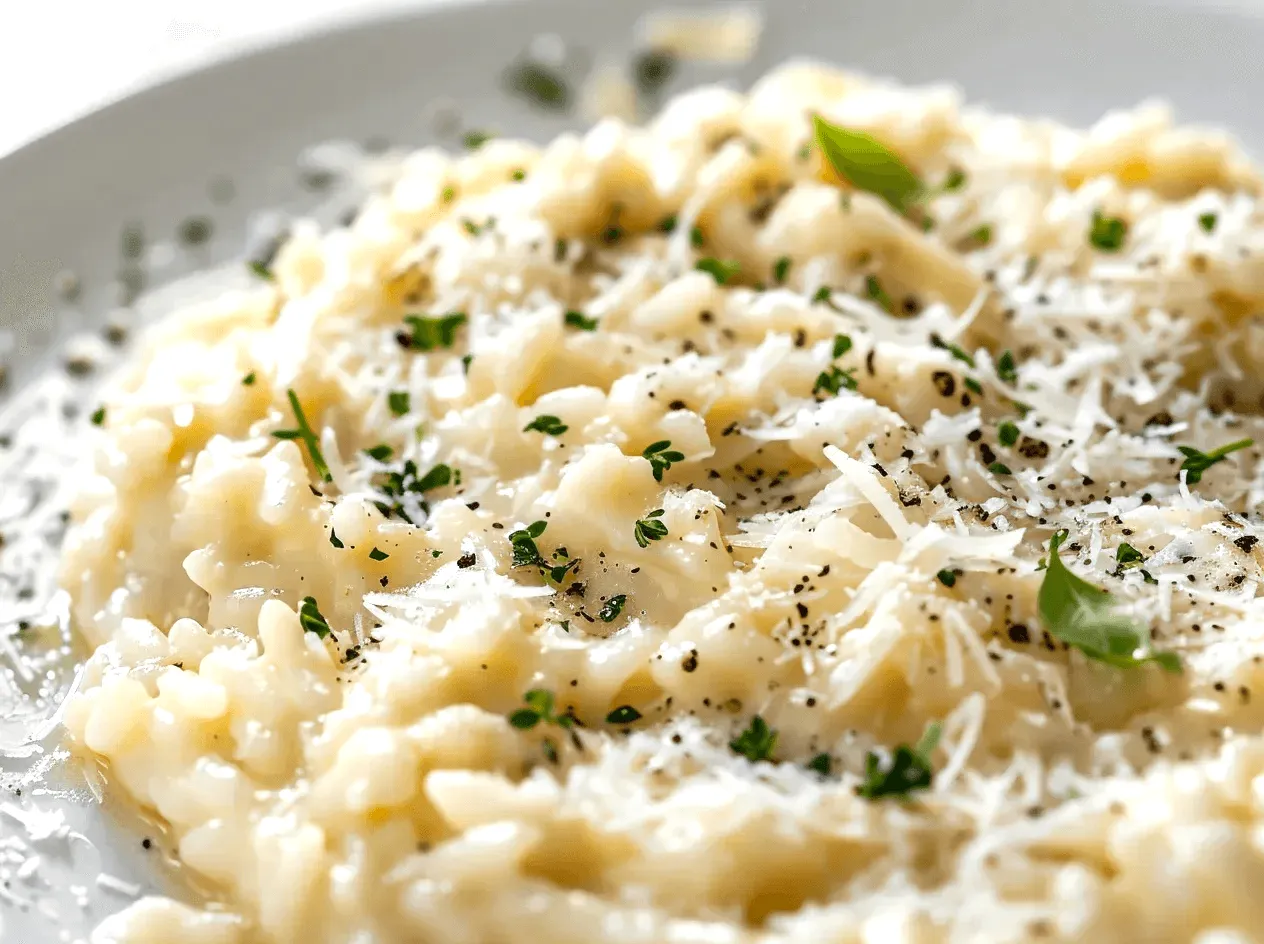
In dishes like risotto and paella, the starch helps create the ideal creamy texture for the dish.
Another major factor for not rinsing rice is time. Sometimes people don't want another step in the cooking process. Skipping the rinse may change the texture, but it won't ruin it.
How to Rinse Rice?
If you decide to rinse the rice, rinse it under running water in a strainer until the water runs clear, which should take about 1-2 minutes.
To remove more arsenic, it is suggested to boil. Add about four parts boiling water to one part rice and boil for 5 minutes. Studies show that boiling removes about 54% of arsenic in brown rice and 73% in white rice.
Cooking rice with plenty of water (as you would with pasta) is recommended - it reduces arsenic content by 40 to 60%. However, this also reduces nutrients by 50 to 70%.
Dirt, Insects, and Arsenic
"Rinsing will remove dirt, dust, insects, and debris - things you probably don't want on your plate," says registered dietitian Nichole Dandrea-Russert. "Just like with any grain, legumes, or fruits, rinsing is a practice of cleaning food before consumption."
Recent studies have also found that rice can absorb arsenic, which occurs naturally in soil. Arsenic is an element that can exist in soil, water, plants, animals, and air. It can be toxic when consumed in large amounts.
Some experts recommend rinsing to remove arsenic. However, FDA studies show that rinsing rice before cooking has a "minimal effect" on arsenic content and instead washes away nutrients like iron, folic acid, thiamine, and niacin.
"Traditionally, the biggest concern with rinsing rice was washing away the B vitamins added during the enrichment of rice," says registered dietitian Isabel Maples.
Conclusion
Rinsing rice before cooking can have benefits, such as removing dirt, debris, and excess starch, leading to fluffier rice. However, some dishes may benefit from the extra starch, and rinsing is not necessarily required. It is important to consider expert recommendations and your personal preferences when preparing rice.
This content was translated with the help of AI and may contain inaccuracies.
Similar recipes




Related reading
3 min
The Difference Between Basmati and Jasmine Rice: How to Choose?
5 min
Stop Throwing Away Pasta Water

3 min
Don't Throw Away the Best Part of the Watermelon
5 min
How long should you boil potatoes for mashed potatoes?
4 min
Why is my bread not rising?

4 min
How to Cook the Perfect Soft-Boiled Egg
3 min
Everything About Cooking with Parsley

7 min
8 Tips for Cooking Italian Food