If there has ever been an unfairly overlooked herb in the kitchen, it is parsley. This beautiful, bright green herb is often tossed aside at the end of a dish as a garnish, or chopped and sprinkled on top just to have "something green". Parsley is not only tasty, but it is also rich in nutrients. It plays a central role in many of the world's cuisines.
Everything About Cooking with Parsley

Елена Талин
3 min
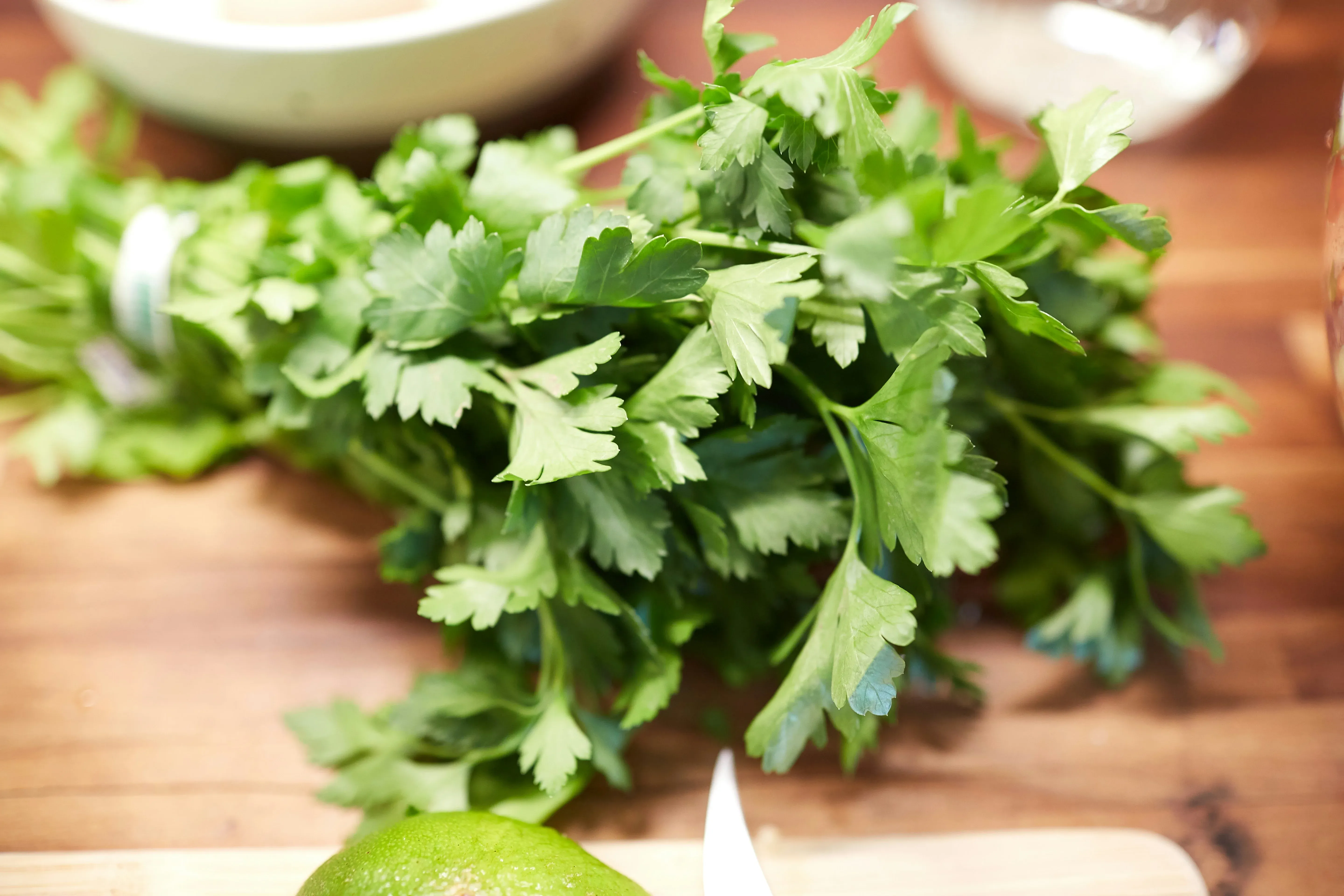
What is parsley?
Parsley (Petroselinum crispum) is a flowering plant from the Apiaceae family. It is native to the Mediterranean region, including North Africa. Today, it is grown all over the world. There are three main types of parsley: curly (or French), flat (or Italian), and root parsley. Generally, curly parsley is used for garnish, flat parsley is the one used in cooking and for sprinkling, and root parsley is used as a root vegetable. Root parsley resembles a thick parsnip and has a similar taste.
How to harvest parsley?
You can start harvesting parsley once the plant has at least 5-10 main stems. The plants are usually ready for their first harvest about 45 to 60 days after planting. After that, you can (and should) harvest parsley every week.
What to harvest:
Start by picking the outer leaves from the bottom of the plant. Do not cut whole stems, but rather individual leaves or small sprigs. Trimming encourages the growth of new leaves.
How to cut:
Use sharp kitchen scissors or pruning shears to cut the leaves or sprigs. Cut close to the base of the stem where it meets the main stem. Do not cut more than 1/3 of the plant at once. It is better to harvest more frequently than to remove too many leaves at once.
How to store parsley?
If you buy parsley from the store, here are a few ways to store it to keep it fresh longer:
Method 1: With paper towels
- Remove the tie: The first thing you need to do is remove the rubber band or twist tie that holds the bunch of parsley together.
- Wash and dry: Gently wash the parsley in cold water. Use a salad spinner to remove as much water as possible. Alternatively, you can gently dry it with a clean kitchen towel.
- Wrap in paper towels: Lay out several layers of paper towels and carefully roll the parsley up in them.
- Store in the fridge: Place the rolled parsley in an airtight bag, leaving the top slightly open for air circulation. Store it in the coldest part of your fridge (usually the bottom shelf).
Method 2: As a bouquet
- Remove the tie: Similar to the first method, remove the rubber band or twist tie that holds the bunch of parsley together.
- Prepare the stems: Cut about 1-2 cm from the bottom of the stems.
- Vase with water: Fill a shallow bowl or glass vase with clean cold water. Place the parsley stems in the water, similar to a bouquet of flowers.
- Store in the fridge: Keep the vase of parsley in the fridge. Change the water every few days to keep it fresh.
Freezing chopped parsley
If you have excess parsley, you can also freeze it for longer use. Follow the freezing steps outlined in the previous section.
Tips:
Do not wash the parsley before storing it in the fridge, as moisture will speed up spoilage. Avoid storing parsley near fruits or vegetables that emit ethylene, a gas that can cause parsley to spoil faster. When using frozen parsley, there is no need to thaw it beforehand. Just add it directly to your dish while cooking.
What can parsley be used for?
Parsley is a versatile herb that adds a fresh, slightly peppery flavor to many dishes. It is most commonly used as a garnish, but it can also be chopped and added to soups, stews, sauces, salads, and more. Both the leaves and stems are edible.
Nutritional value:
Parsley is a good source of vitamins A, C, and K. It also contains folic acid, potassium, and other important nutrients. Potential health benefits:
Parsley has been used in traditional medicine for centuries. Some studies suggest that it may have antioxidant and anti-inflammatory properties, but more research is needed to confirm these benefits.
Can we store parsley frozen?
Of course! Parsley freezes wonderfully, allowing you to enjoy its freshness and flavor long after you've purchased it. Here’s how to freeze parsley:
- Washing and drying: Similar to storing fresh parsley, avoid washing it before freezing, as moisture can lead to spoilage. Instead, simply remove any wilted or discolored leaves.
- Chopping (optional): Decide whether you want chopped or whole parsley for future use. Chopped parsley is great for sprinkling in soups, stews, and sauces, while whole leaves can be used as a garnish or for parsley-infused butter.
- Blanching (optional): Blanching, which involves quickly dipping in boiling water followed by plunging into ice water, can help preserve the color and texture of the parsley, especially if you plan to use it whole. Blanch the parsley briefly for 10-15 seconds, then immediately immerse it in a bowl of ice water to stop the cooking process. Thoroughly dry the parsley with kitchen towels.
- Freezing: Transfer the chopped or whole parsley into a freezer-safe container or zip-top bag. Squeeze out excess air to prevent freezer burn. Labeling and storage: Label the container with the date and type of parsley (chopped or whole). Store it in the back of the freezer, where the temperature is most consistent.
This content was translated with the help of AI and may contain inaccuracies.
Similar recipes

5 min
Garlic Butter
15 min
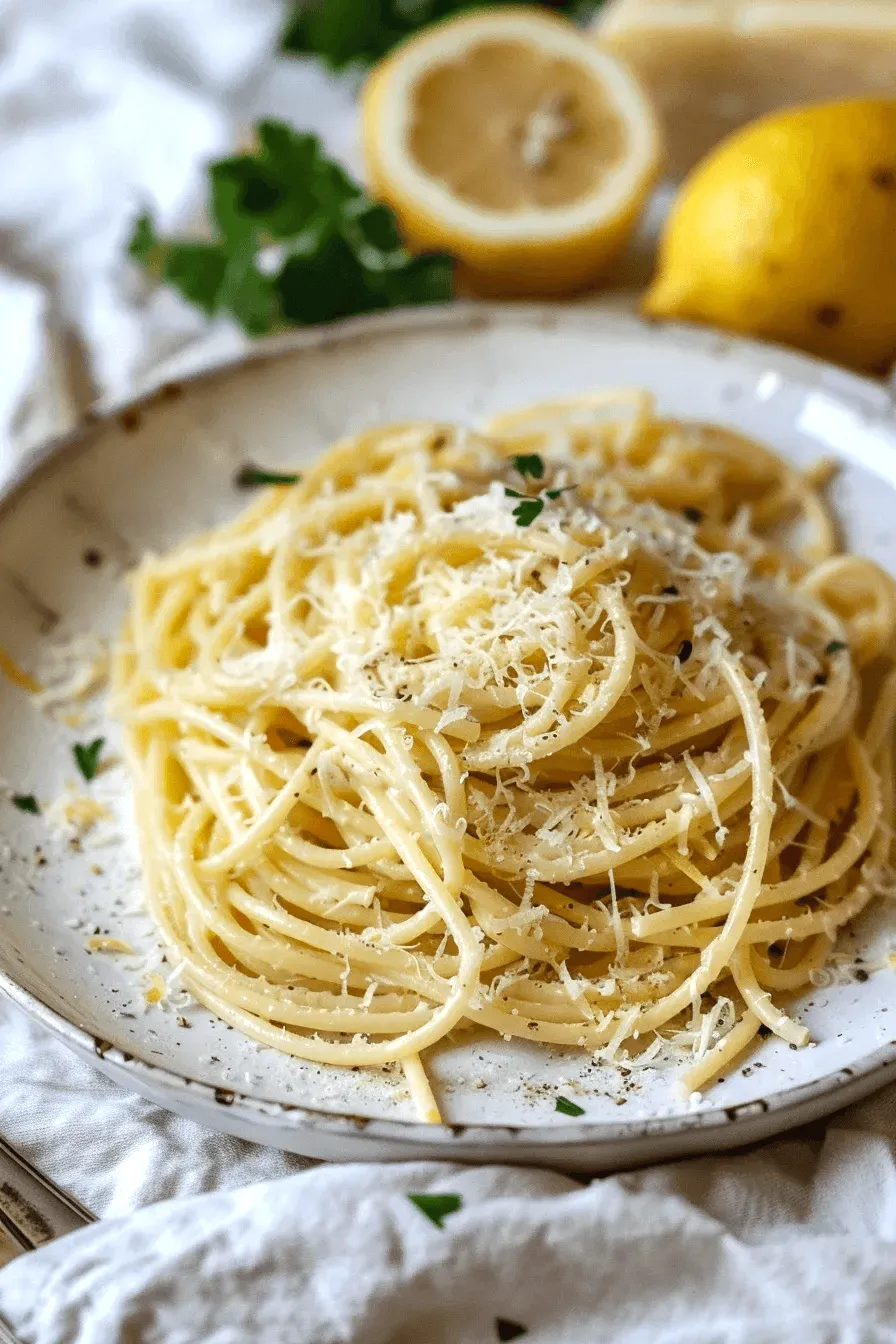
Lemon Pasta with Garlic and Parmesan
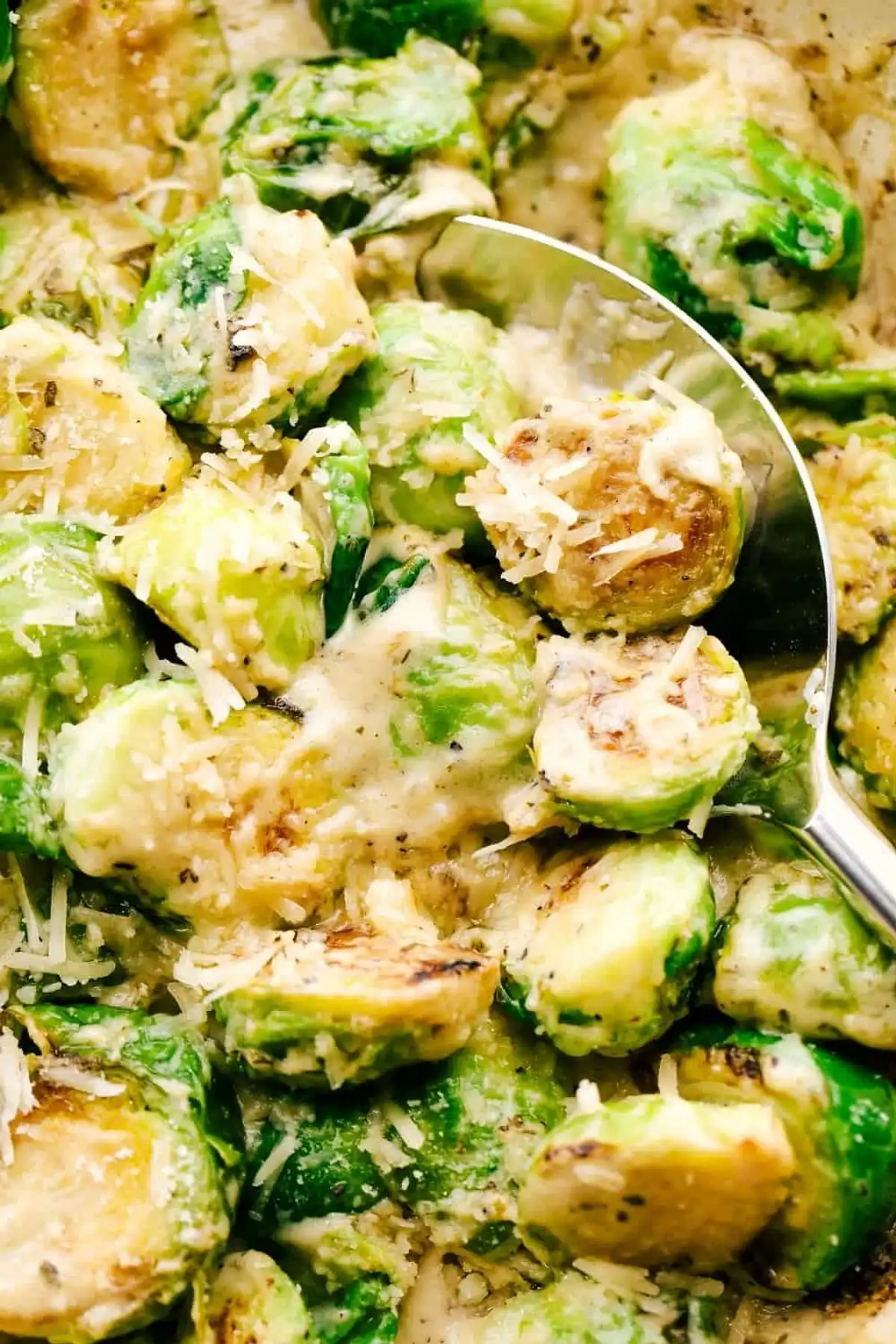
20 min
Brussels Sprouts with Parmesan
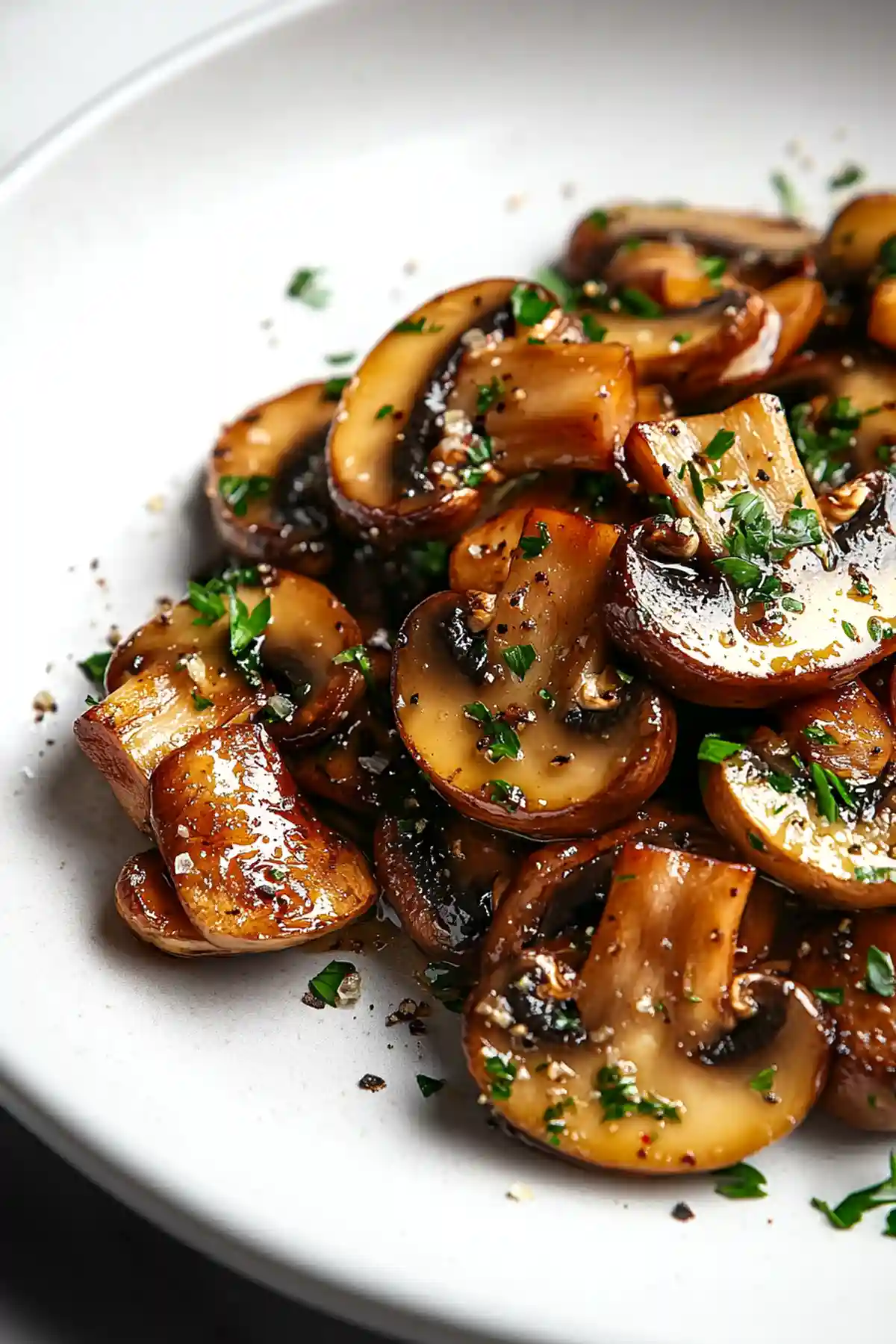
20 min
Sautéed Mushrooms
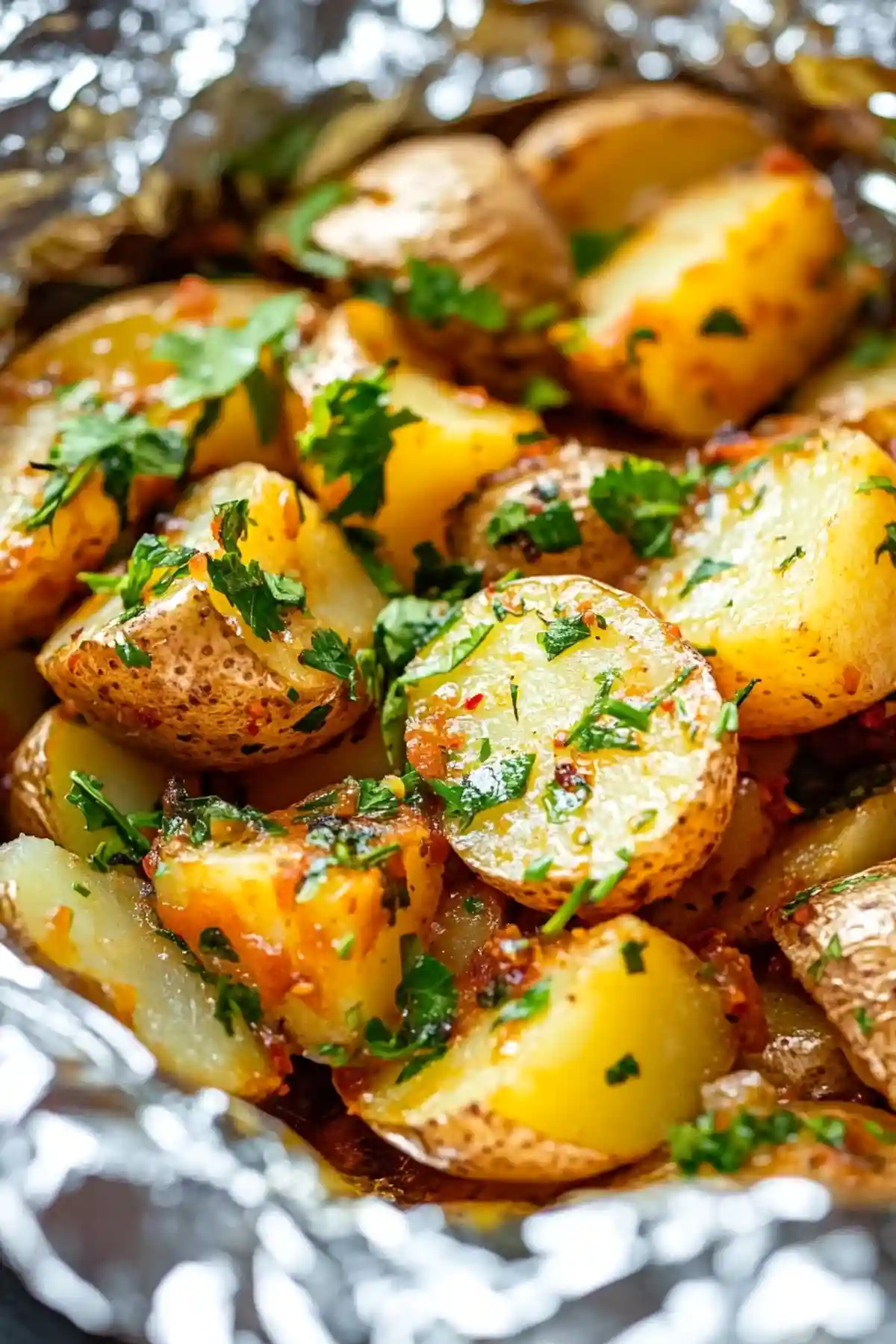
45 min
Grilled Potatoes with Parmesan
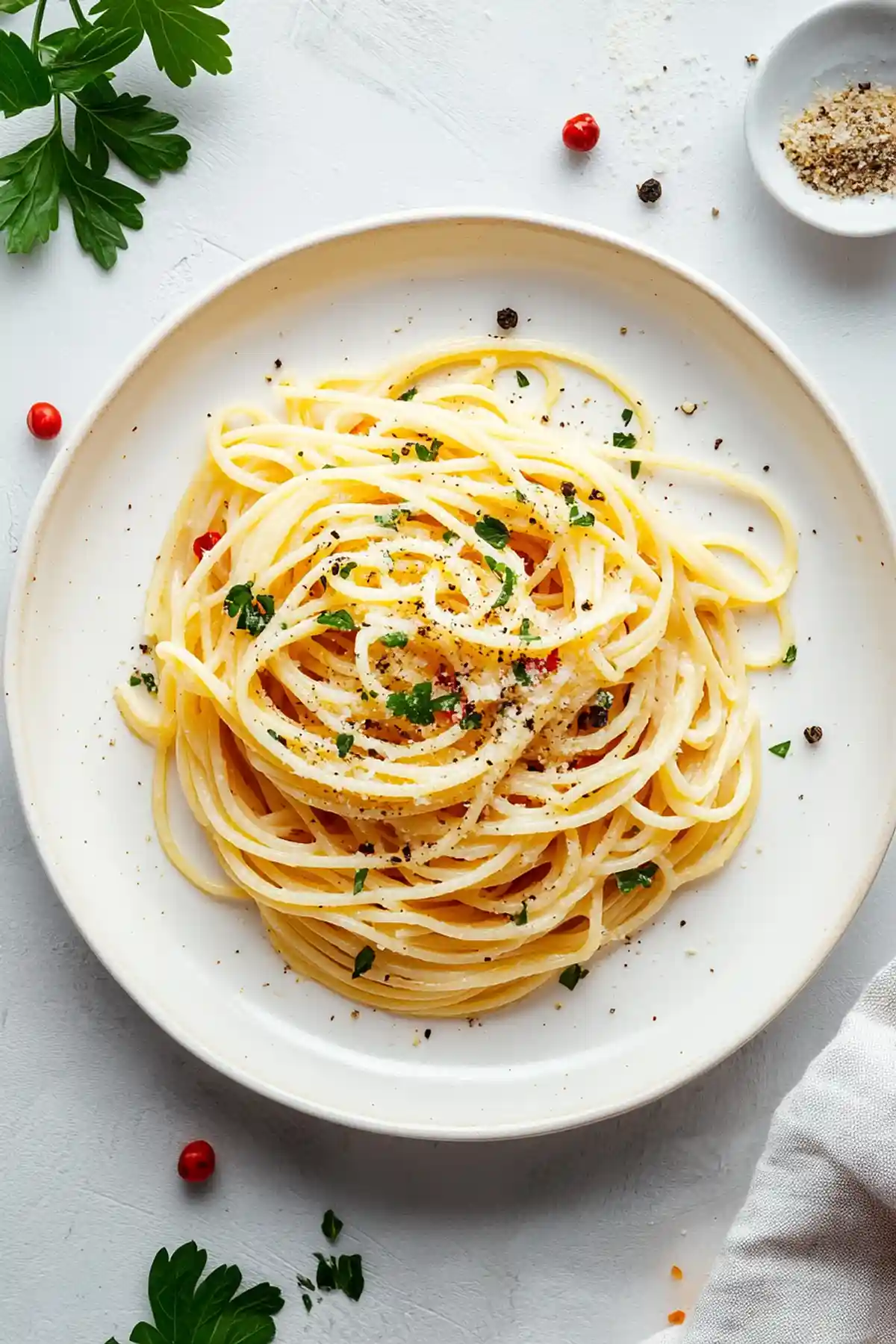
25 min
Spaghetti Aglio, Olio e Peperoncino

40 min
Stuffed Mushrooms with Parmesan
40 min
Spaghetti Pomodoro - with fresh tomatoes, basil, and parmesan