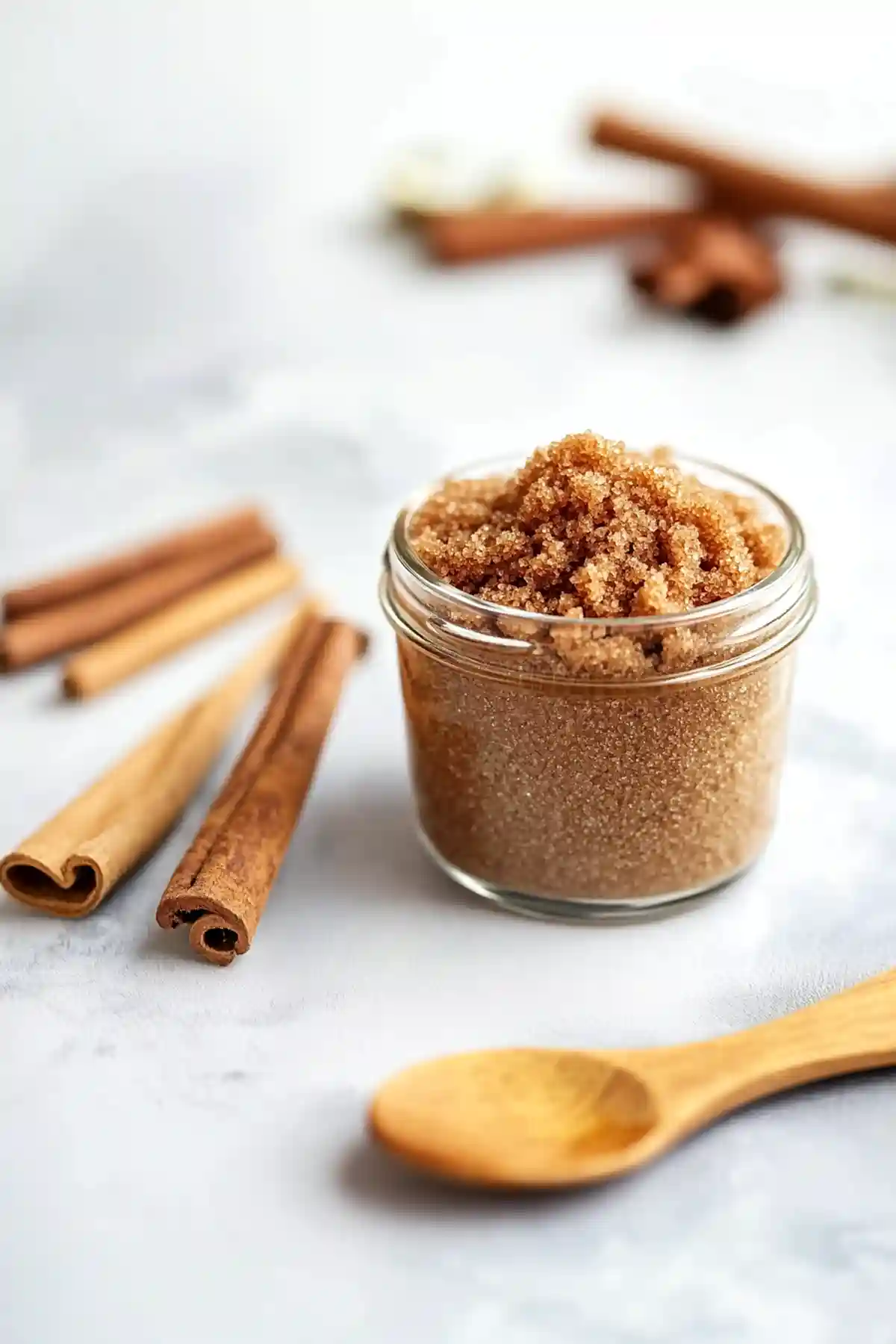
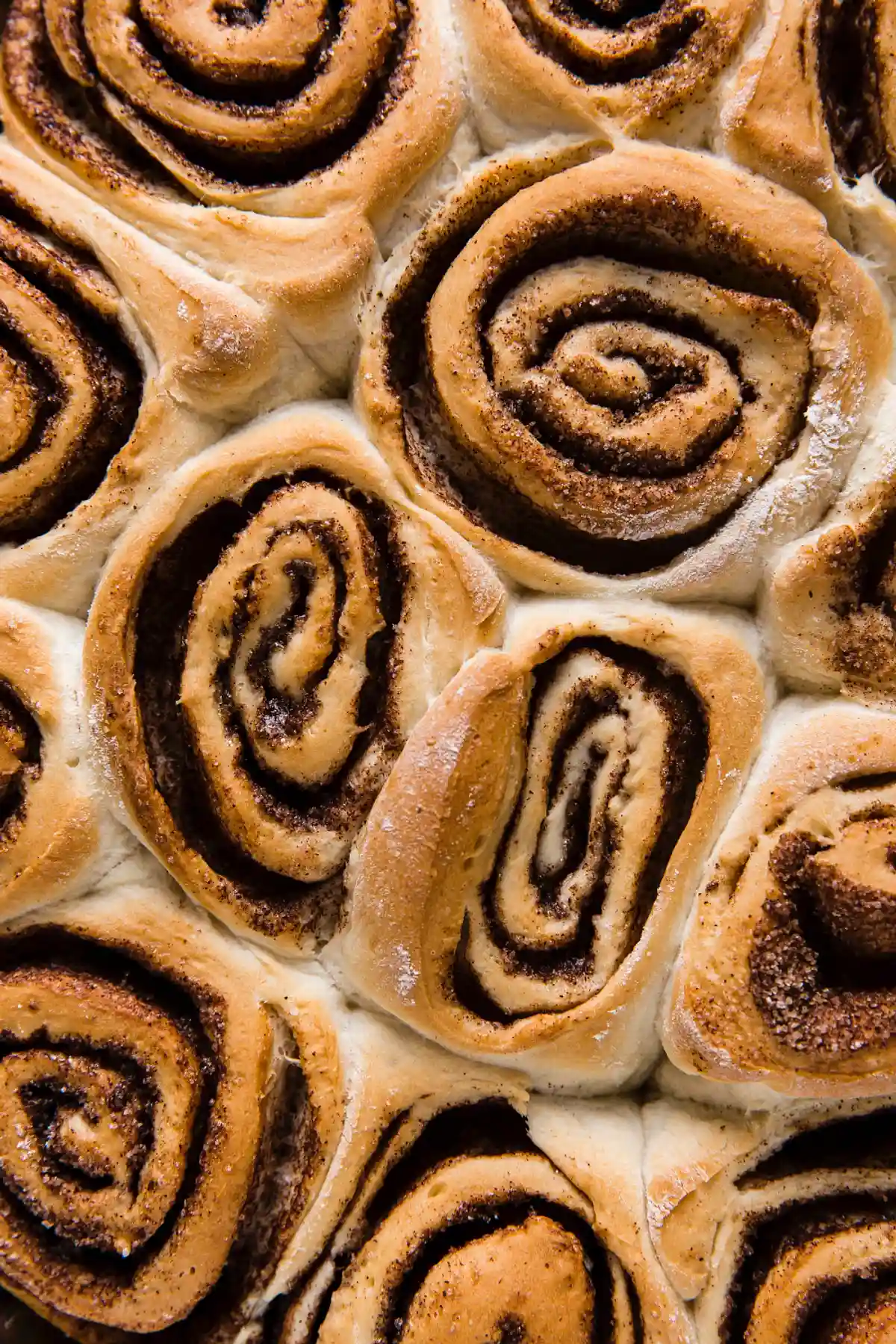
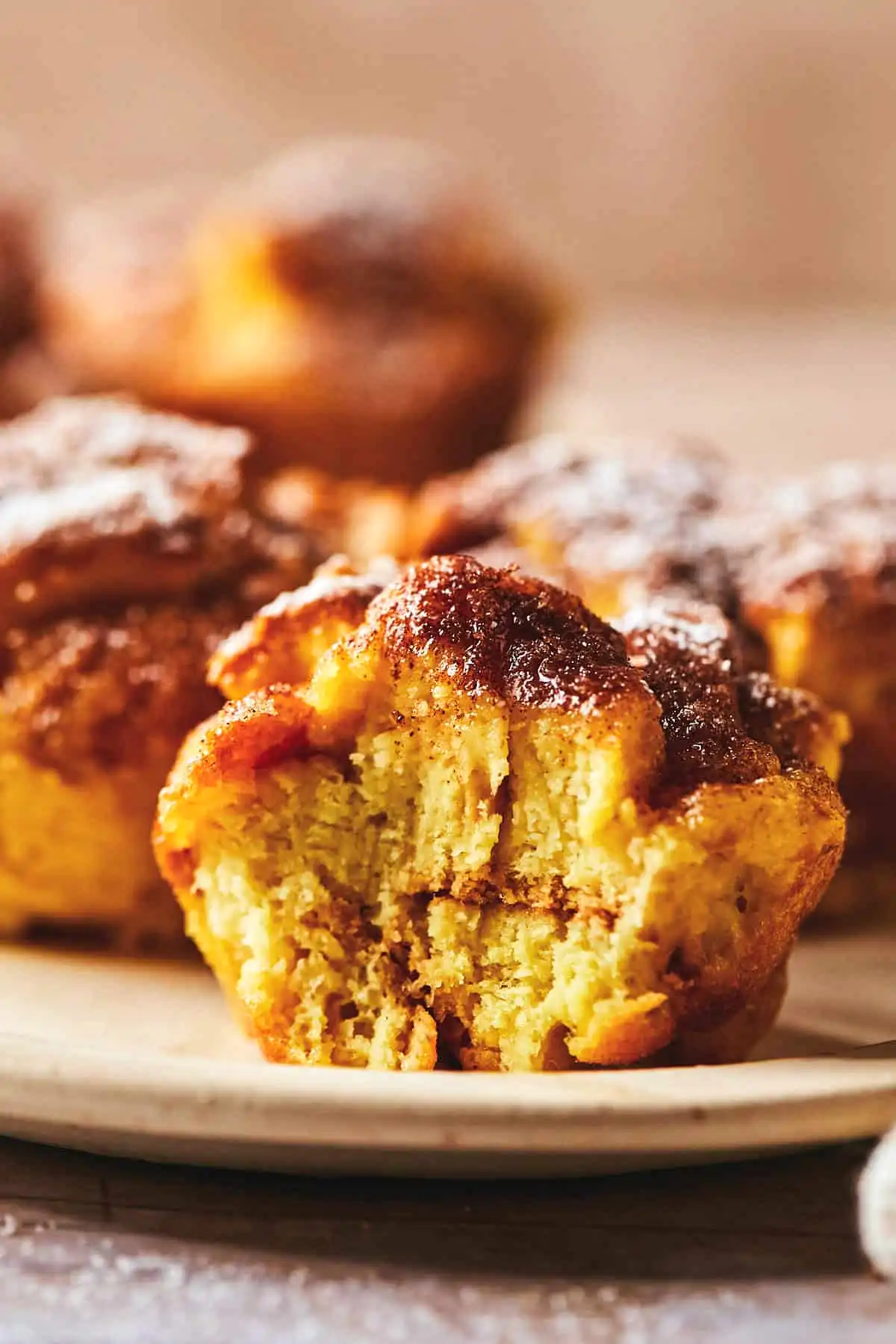
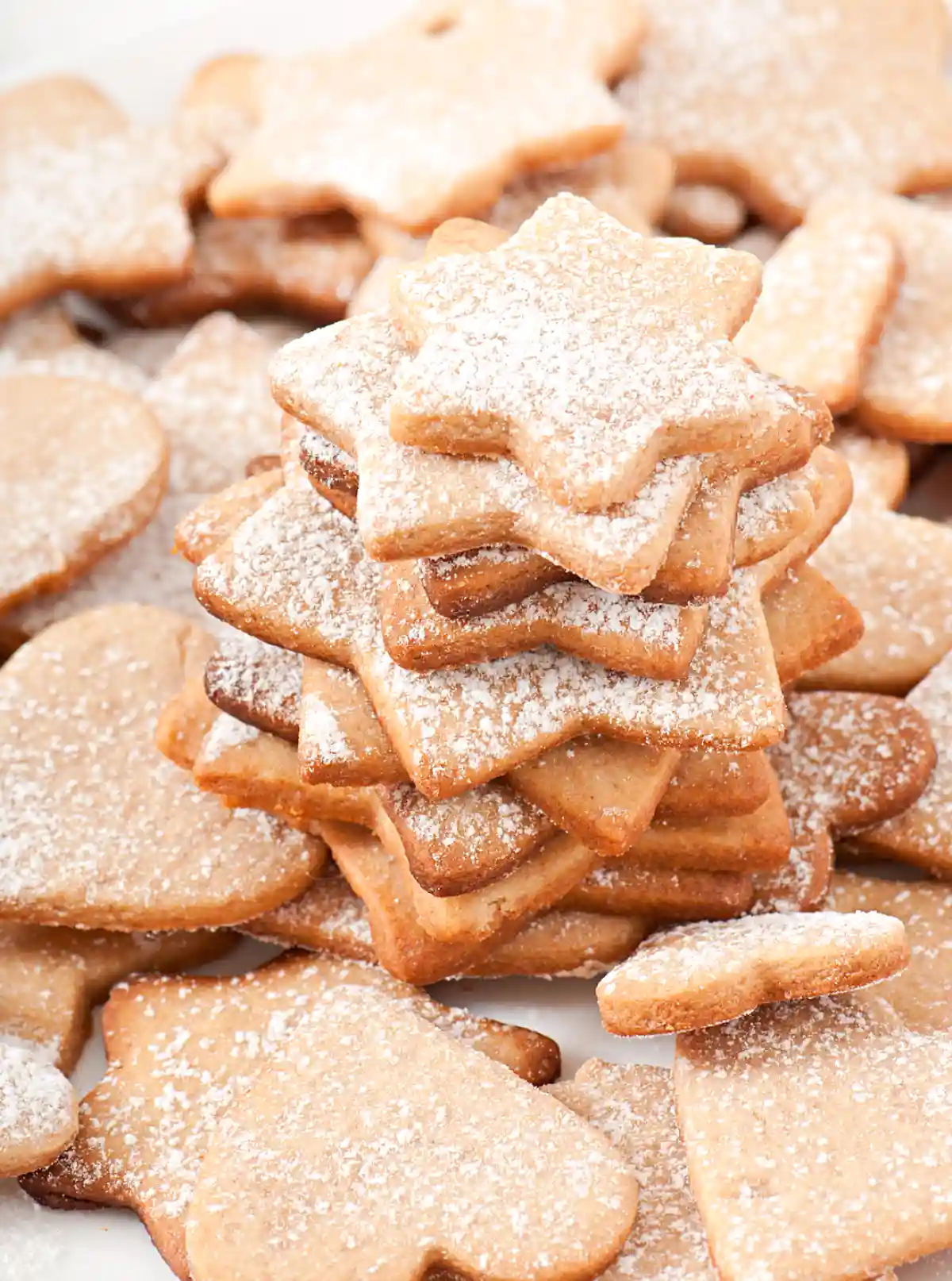
Cinnamon is loved by home cooks and culinary enthusiasts all over the world. There are many reasons why cinnamon is a staple in the kitchen. This warm, sweet, and slightly spicy spice is as delicious as it is aromatic. It also offers a vibrant and comforting aroma that pairs well with savory dishes and desserts, adding a layer of flavor and fragrance to beverages like hot tea and chai lattes.
Everything You Ever Wanted to Know About Cinnamon

Елена Талин
5 min
What is cinnamon and where does it come from?
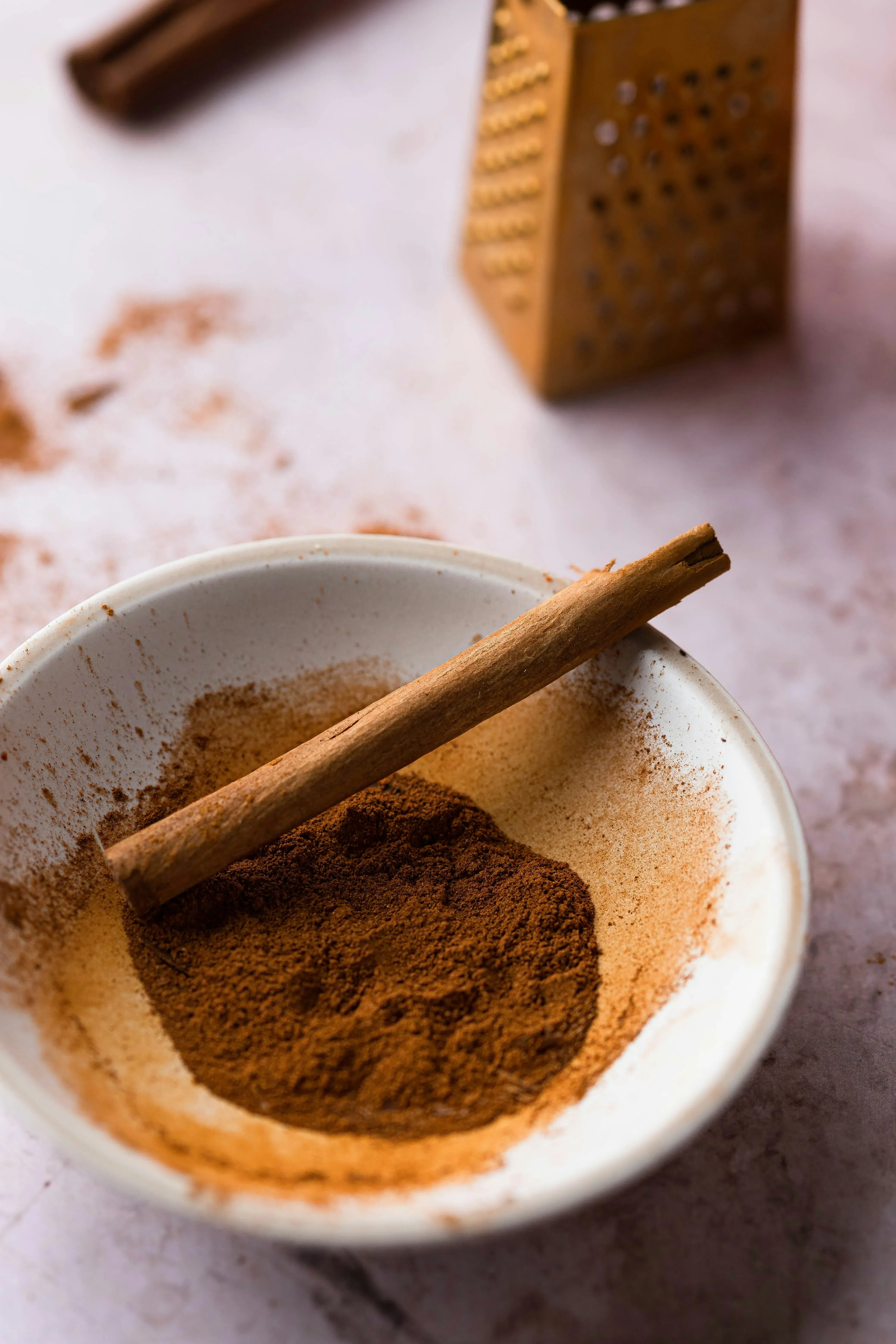
Cinnamon is the inner bark of certain species of evergreen trees from the Cinnamomum family. Cinnamon farmers cut the bark of the trees into sheets and extract the inner bark, which is then rolled into tubes resembling scrolls.<br><br>These tubes can be sold in packs of several or ground into powder and packaged as a staple spice on store shelves.
What does cinnamon taste like?
Different types of cinnamon are produced for culinary use, but cinnamon generally has a sweet, woody, and smoky flavor and aroma.
Whole vs. ground
You can find cinnamon in whole, ground, and liquid (like extract) forms. Ground or whole cinnamon has the same flavor, differing only in texture. However, sticks offer a fresher taste that lasts longer when ground just before use.<br><br>Ground cinnamon is best for cooking and baking because it is the most convenient. Cinnamon sticks are best suited for infusing in hot drinks, stovetop cooking, and slow cooking.
Types of cinnamon
There are two types of cinnamon – cassia and Ceylon. Both offer unique flavors, textures, and appearances.<br><br>##### Cassia<br>Cassia cinnamon is the most common type of cinnamon found on store shelves. Native to China, cassia cinnamon has a reddish-brown color with a coarse texture and rougher ground particles. It also has a spicy-sweet flavor with a slightly bitter woody note.<br><br>This type of cinnamon is widely used in commercial products, home cooking, and baking due to its bold and intense flavor, which becomes less intense when cooked.<br><br>##### Ceylon<br>Ceylon cinnamon is also known as soft cinnamon due to its smooth texture. This pale, light-brown, and easily ground cinnamon is native to Sri Lanka and South India and is also grown in Mexico and East Africa.<br><br>It has a mild, delicate flavor and a sweeter aroma than cassia. The inner bark extracted from the Cinnamomum verum tree is thinner sheets, creating finer ground particles than cassia cinnamon. Ceylon cinnamon is best suited for recipes where you prefer just a light hint of spice without overpowering other ingredients.
How to cook with cinnamon?
Cinnamon itself is pleasant in flavor as it fits well into a wide range of drinks and both savory and sweet dishes. Ground and whole cinnamon are used differently depending on what you are preparing.<br><br>##### Using ground cinnamon<br>Sprinkle ground cinnamon over tea, coffee, lattes, oatmeal, and desserts like French toast, cinnamon rolls, streusel, churros, cakes, pies, and cookies for a dose of spice and aroma.<br><br>Ground cinnamon also adds a distinctive flavor to savory dishes like soups, stews, tagines, shawarmas, roasted meats, vegetables, nuts, pumpkin seeds, and popcorn. Use it also as a spice blend for marinades.<br><br>##### Using cinnamon sticks<br>Whole cinnamon sticks are more than just a garnish that adds a finishing touch to dishes. They can be a stirrer and infuser for hot drinks for a fresher and longer-lasting flavor and aroma. Use them in coffee, tea, chai, cider, and mulled wine for a warm, cozy feel.<br><br>Cinnamon sticks are also suitable for stovetop cooking and slow cooking. Add a stick while preparing oatmeal or break the stick into pieces to cook with your favorite baked goods.<br><br>You can also add extra flavor to your grains by placing a stick or two in the pot with rice, quinoa, or couscous.
How to store cinnamon?
Unopened ground cinnamon can last in its original packaging for 3 to 4 years.<br><br>Once opened, ground cinnamon will not stay fresh for long and begins to lose its potency when exposed to air. It is best to buy in small quantities and use it quickly.<br><br>Cinnamon sticks are usually sold in plastic packaging. Transfer them to a jar or container to keep them fresh. Store ground cinnamon and sticks in an airtight container in a cool, dark, and dry place, such as in the spice cabinet or kitchen cupboard. Make sure to close the container after use to prevent moisture from getting in.
This content was translated with the help of AI and may contain inaccuracies.
Similar recipes