Onions are an indispensable helper in every kitchen, adding a spicy flavor to countless dishes - for lunch, breakfast, and dinner. But which onion is best for your recipe? Here’s what you need to know about these incredibly versatile vegetables.
White, Yellow, Red Onion: What is the Difference?

Елена Талин
4 min
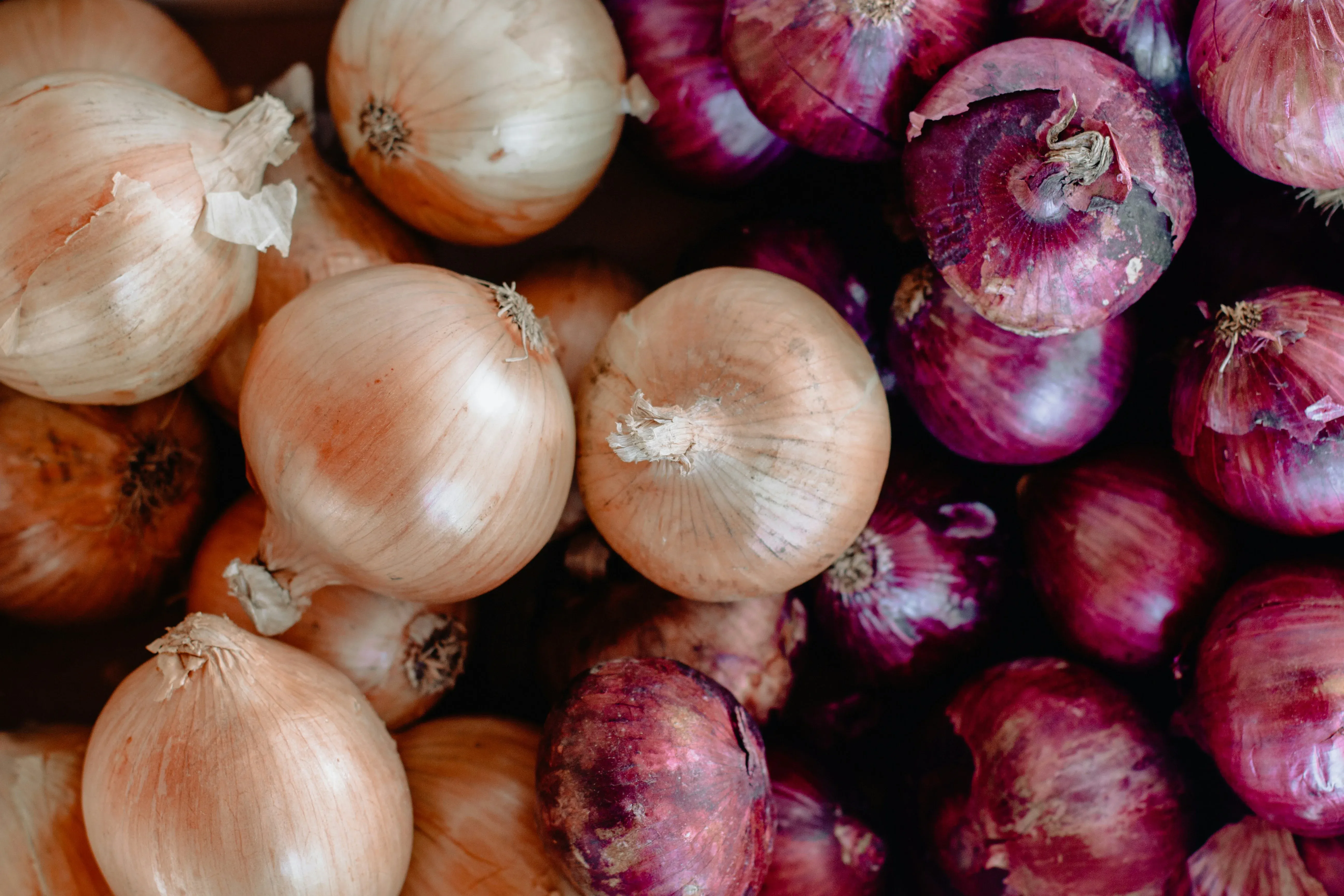
What are the main types of onions?
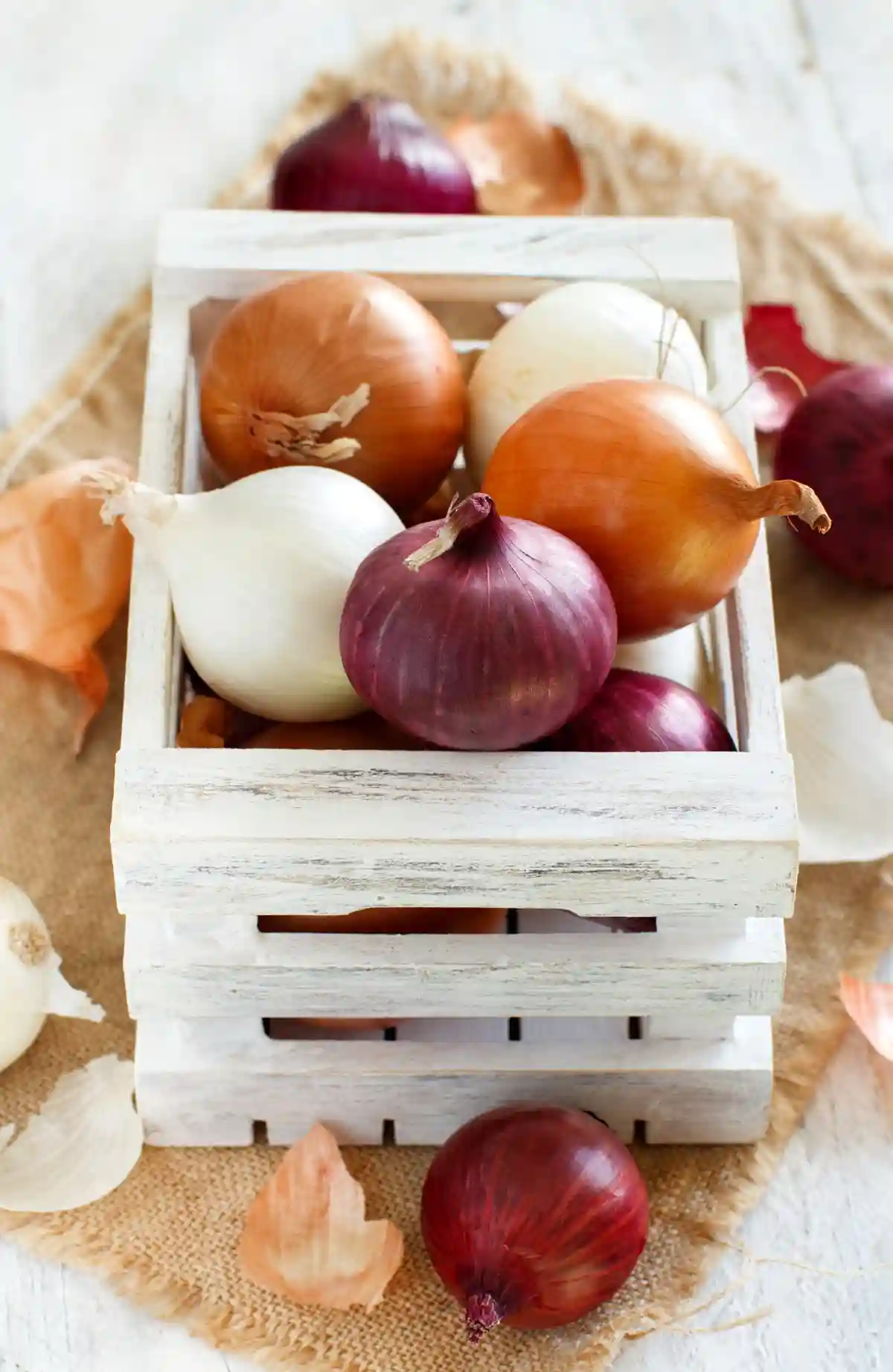
- Bermuda and Spanish: yellow or white; mild flavor
- Red or Italian: red; mild flavor
- Globe: yellow, white, or red; stronger flavor
- Pearl: marble-sized; white; mild flavor
- Maui, Vidalia, and Walla Walla: pale yellow or white; sweet and mild flavor
- Green onions or scallions: immature onions with white bottoms and green tops; mild flavor
Most onions are available fresh year-round.
How to choose and store onions?
Choose firm onions with dry, papery skins. Avoid onions with brown or soft spots, or those with sprouting shoots.
Store whole onions in a cool, dry place away from sunlight. Onions can be stored for months. For partially used onions, wrap them tightly in plastic wrap or place them in a sealed container and refrigerate. Onions will keep for a few days.
Why does cutting onions cause stinging tears?
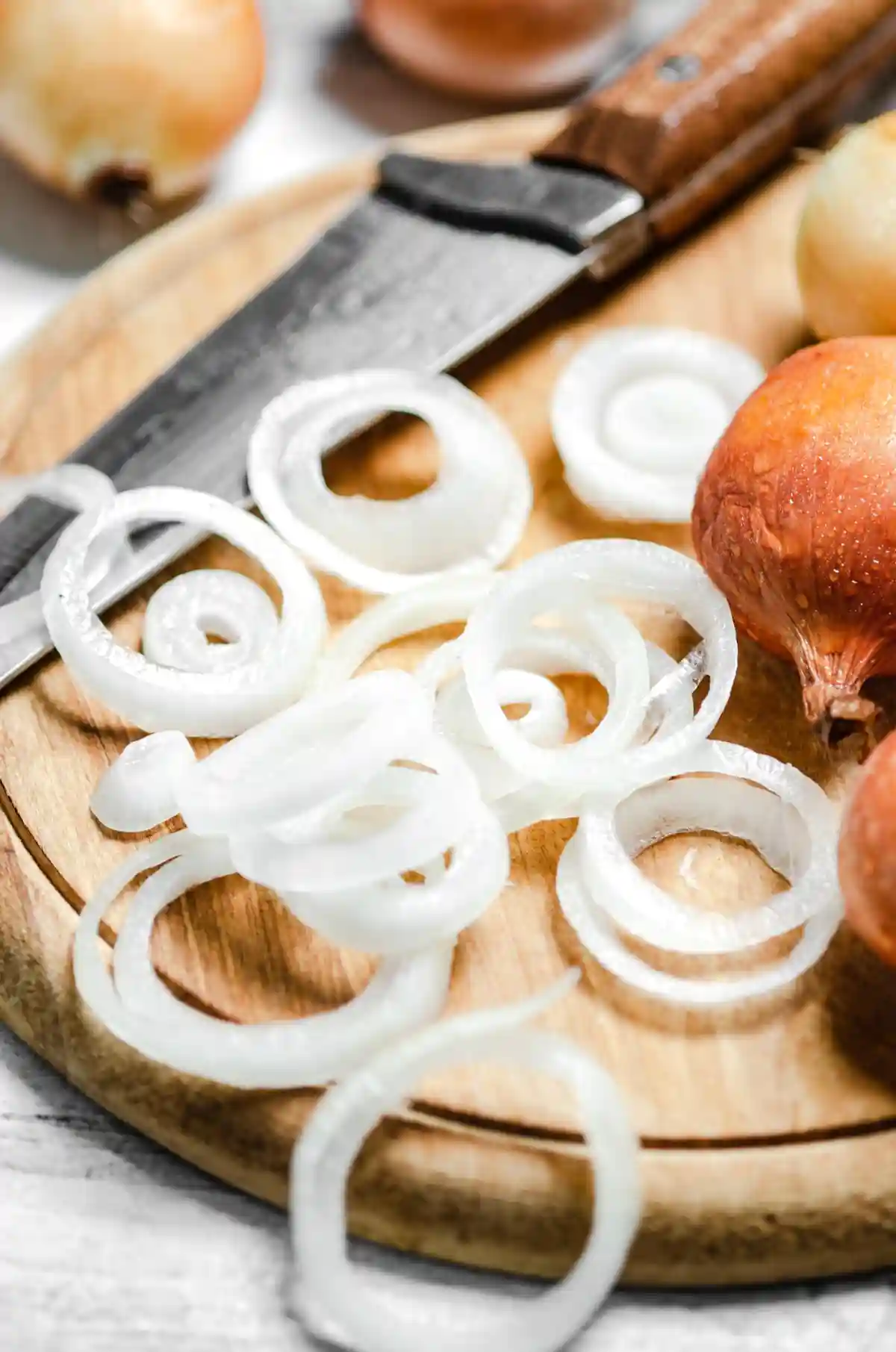
Cutting onions releases sulfur compounds that irritate the eyes. The root contains the most sulfur compounds, so cut it last.
How to grow onions?
Onions love cool weather and can be planted and harvested earlier than most vegetables in the garden.
They require sunlight and fertile, well-drained soil.
Yellow Onion
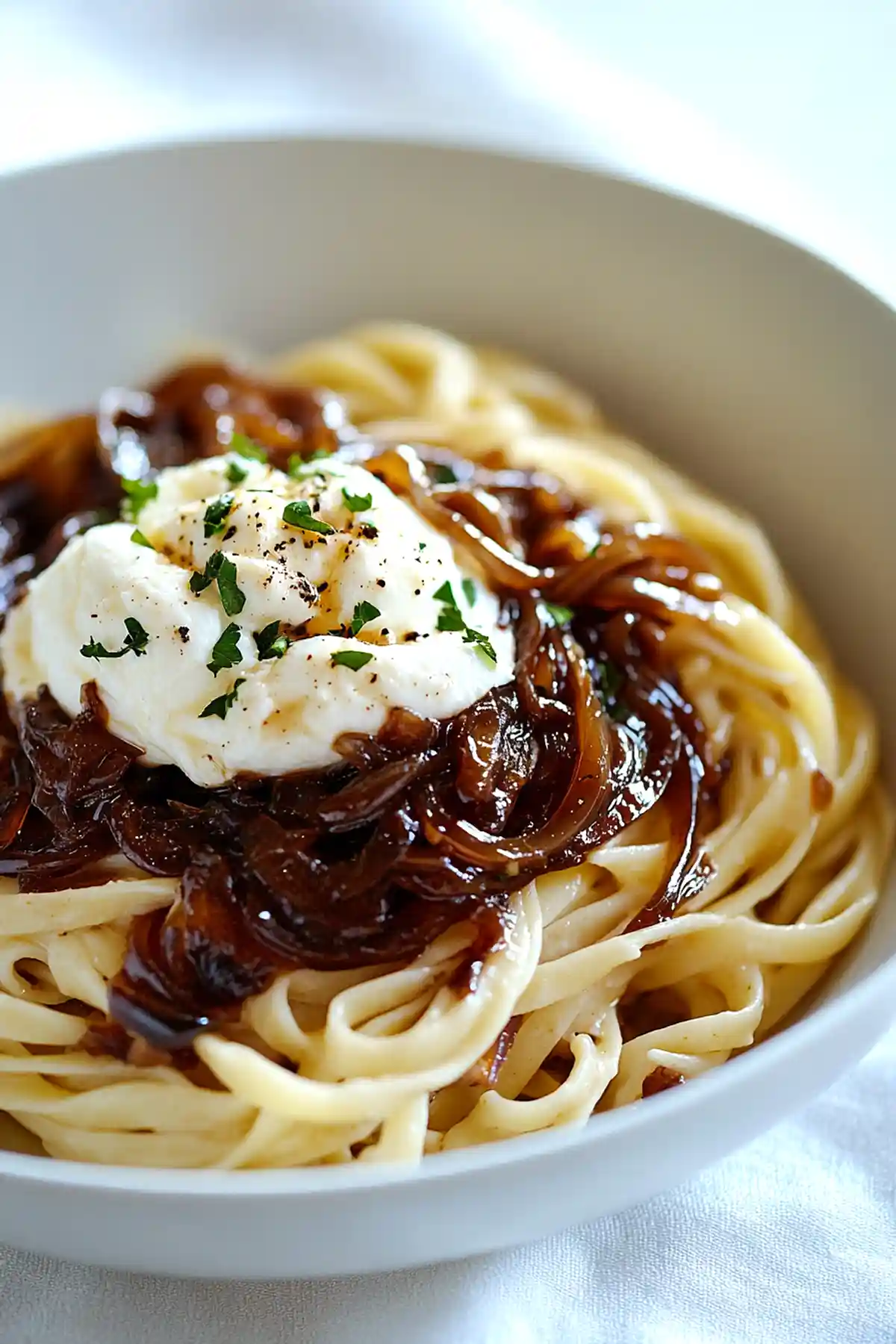
This is a good all-purpose onion, great for cooking and adding flavor to dishes. Undoubtedly, this is the most popular onion and is versatile enough for almost anything. The yellow onion is the sensible choice for caramelizing, which highlights its natural sweetness.
White Onion
This onion is slightly sweeter, with a milder flavor than the yellow onion. It is a good choice for dicing and serving raw on sandwiches and salads or in fresh salsas.
Red Onion
This onion is colorful and has a sharp to mild flavor. Thanks to its bright color and crunchy texture, it is great for salads, salsas, and other fresh recipes. It is also excellent sliced on sandwiches. When cooked, the color fades, but it is still delicious when boiled.
In conclusion
There are a few subtle differences between yellow, white, and red onions. But ultimately, you could easily substitute one color for another without any problem.
This content was translated with the help of AI and may contain inaccuracies.
Similar recipes
Related reading
3 min
The Best Way to Store Onions
4 min
Brown Eggs vs White Eggs: Is There a Difference?
3 min
Easy Trick for Cutting Onions Without Tears
3 min
The Difference Between Basmati and Jasmine Rice: How to Choose?
5 min
Everything You Ever Wanted to Know About Cinnamon
4 min
What is Blue Cheese?
4 min
Dressing

5 min
How much juice is in a lemon?