Eggs are often at the top of shopping lists because, besides being an essential element in most baked goods and many favorite recipes, they can be scrambled, fried, boiled, or poached to easily prepare a meal in a short time. Extremely versatile and packed with protein, eggs are one of the most powerful kitchen staples.
Brown Eggs vs White Eggs: Is There a Difference?

Елена Талин
4 min
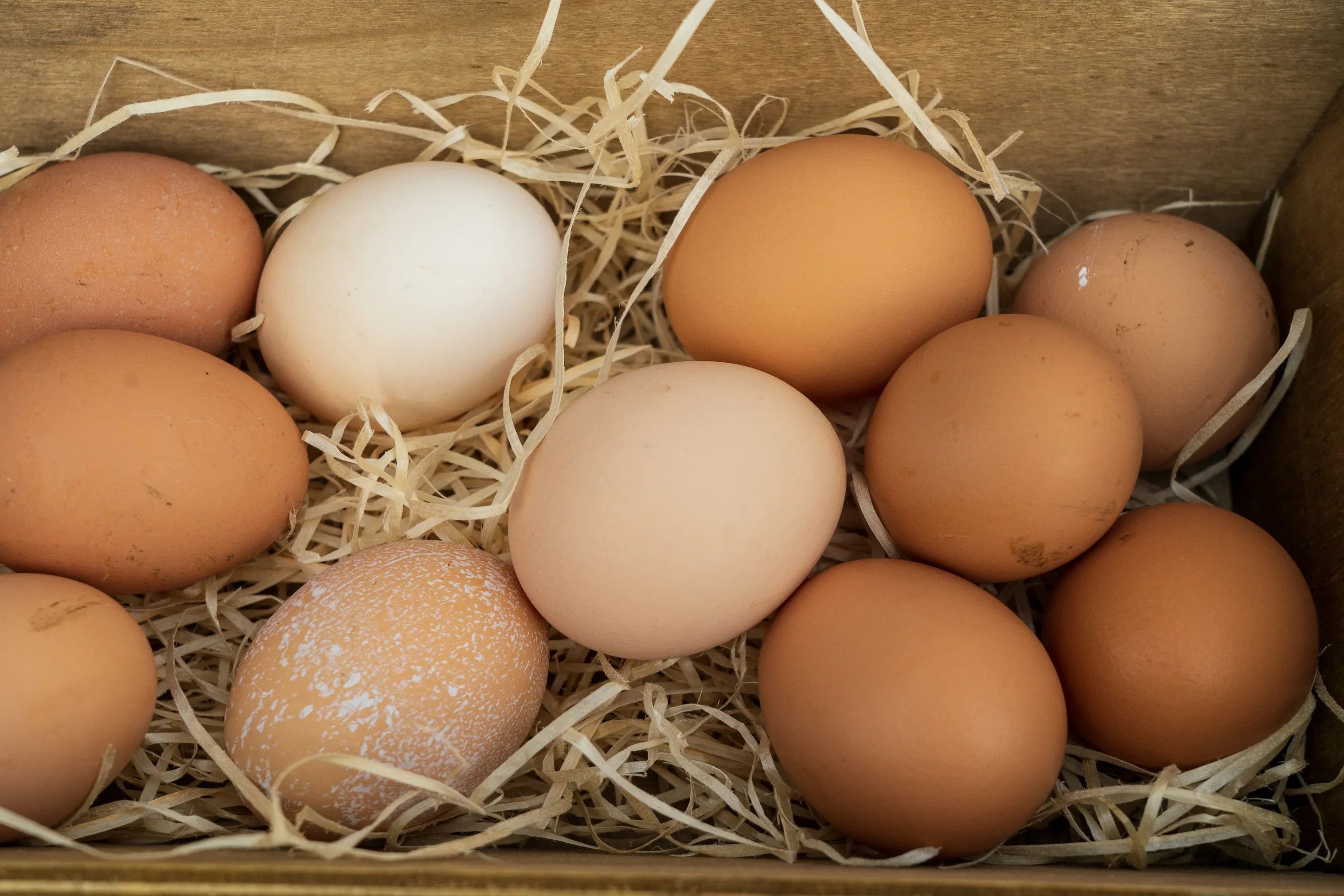
What is the difference between white eggs and brown eggs?
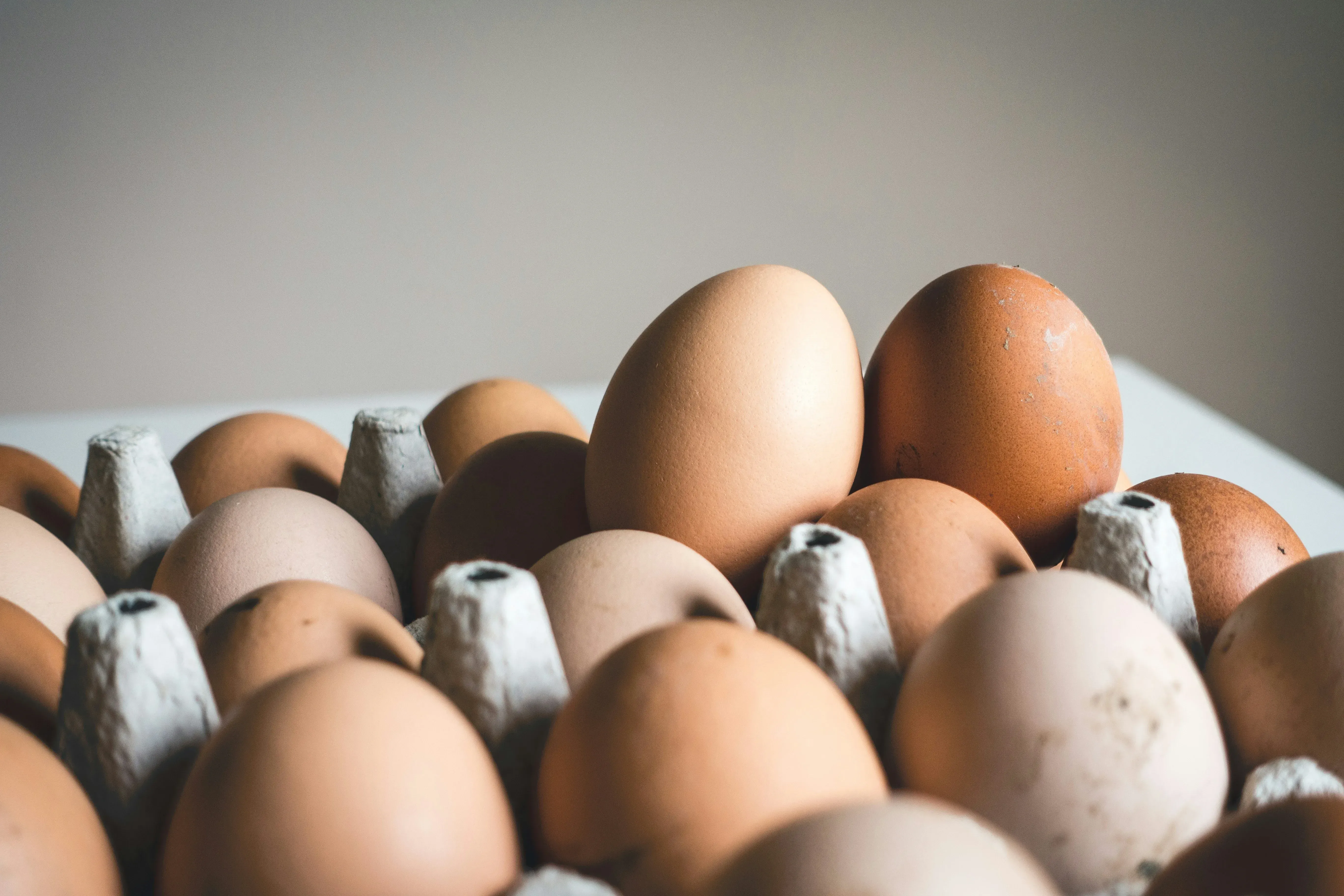
Brown and white eggs obviously look different, and there are opinions that brown eggs are the healthier choice. This thought may stem from the fact that there is a difference in price, as brown eggs are slightly more expensive.<br><br>A common misconception is that brown eggs are a "better" product because they are more expensive; in fact, there is no difference in nutritional value. White eggs are sold more due to their lower price, but the choice between brown and white eggs is a matter of personal preference. They will perform the same way in any recipe.<br><br>
The color of the shell depends on the hen
Eggs come in various colors. Some are white, brown, even pale blue to greenish shades and speckled.<br><br>The color itself will not tell you anything about the nutritional value of the egg, but the appearance of the shell will help you understand where the eggs come from in terms of the breed of the bird.<br><br>The breed of hens and their genetic makeup are what influence the color of the eggs.<br><br>Different breeds of hens have different pigment genes that play a role in the natural chemical process that occurs during the egg production cycle. These genes determine whether the bird's eggs will have a colored shell or a white one.<br><br>Interestingly, the color of the hen's ears is an indicator of what color eggs they will lay. White hens with similarly light-colored ear lobes lay white eggs, while hens with red-brown feathers and dark ear lobes lay brown eggs.
Why is there a price difference between brown eggs and white eggs?
You will find that the price difference accompanies the choice between brown or white eggs. Brown eggs are often more expensive. This is related to the costs associated with raising the hens and producing the eggs, not the quality of the eggs themselves.<br><br>Brown eggs are more expensive than white eggs because it costs more to feed the hens that lay brown eggs. These breeds of hens require more energy to lay their eggs, and consequently, they will eat more and require larger quantities of food. The cost of their housing and feed is passed on to the consumer in the price of the product.
So, are brown eggs better than white eggs?
The color of the eggshell does not indicate better quality of the egg. In fact, there is no noticeable difference between brown and white eggs in terms of taste and nutritional value.<br><br>What is more important is the diet of the hens.<br>What may be of interest to you and could be a factor in nutritional value is the diet that the hens are fed. Hens that are fed a diet rich in omega-3 fatty acids and vitamin D will produce eggs with higher levels of these nutrients.<br><br>Brown and white eggs will generally have the same nutritional values - they contain vitamins, minerals, and high-quality protein. So don't obsess over the color of the shell, but choose eggs from a supplier you trust.
When you go to the refrigerated section of your local supermarket to pick up eggs, you are greeted with a wide variety. You need to consider the size of the carton, the price, and the color of the eggs. Brown eggs are usually more expensive, but are they of higher quality than white eggs?
This content was translated with the help of AI and may contain inaccuracies.
Similar recipes



Related reading
4 min
White, Yellow, Red Onion: What is the Difference?
5 min
Should eggs be at room temperature before baking?

4 min
How to Poach Eggs Perfectly?

4 min
How to Cook the Perfect Soft-Boiled Egg
5 min
What are pine nuts and why are they so expensive?
3 min
The Difference Between Basmati and Jasmine Rice: How to Choose?

5 min
How much juice is in a lemon?
5 min
What are truffles and why are they so expensive?