Poached eggs are one of the easiest and most delicious dishes you can prepare. Although many people overthink and take unnecessary steps, the truth is that poached eggs are extremely easy to make.
How to Poach Eggs Perfectly?

Елена Талин
4 min
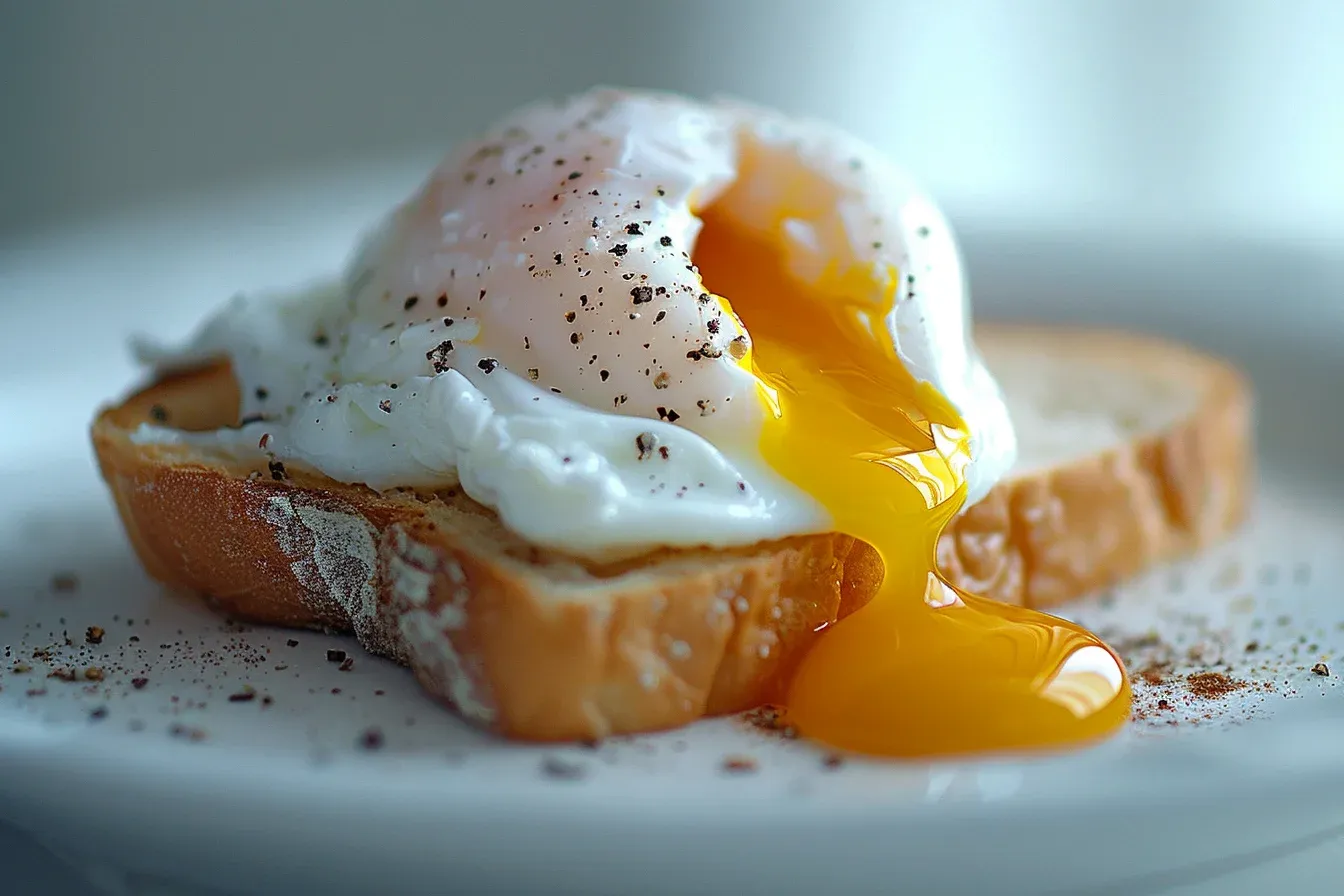
How to poach eggs?
I poach the eggs cold, straight from the fridge. If you don't feel confident to crack and drop the eggs quickly into the pot, break each egg into a ladle and simply slide it from the ladle into the water.<br><br>1. Heat a pot with about 3-4 cm of water until it starts to simmer lightly.<br>2. One by one, drop the eggs into the water close to the surface to avoid splashes.<br>3. Add the eggs starting from 12 o'clock and moving clockwise around the pan so you can identify and remove the first egg first, the second egg second, and so on.<br>4. Once all the eggs are in, let them simmer for 2-3 minutes.
How long do you poach eggs?
Poached eggs should be cooked for 3-5 minutes, depending on your preferences and the number of eggs in the pan. If you prefer a runny yolk, remove the eggs from the water after 2 minutes. Use a slotted spoon to lift the first egg and gently touch it - if it feels slightly firm, it means it's a bit runny inside, i.e., it won't spill; if it's very firm, it means it's fully cooked. Shape the edges of the egg whites if they are ragged by pressing the edge of the spoon against the side of the pan or using a knife.
What to avoid when poaching eggs?
- Vinegar in the water: Never. Vinegar makes the egg whites firm, and eggs cooked in vinegar water look opaque and are hard instead of tender and silky.<br>- Salt in the water: Salty water also makes the egg whites slightly firm. People should salt their eggs at the table!<br>- Swirling the water: This is to wrap the yolks in the whites, but it means you have to cook one egg at a time. If you're cooking for many people, you need to pre-cook and warm them up. Who needs that?<br>- Straining raw eggs: An unnecessary extra step. I let the liquid part of the whites float in the pan while the thicker part naturally forms a beautiful oval shape around the yolk. When the eggs are ready, I easily trim the ragged whites with the slotted spoon.
Memories from the Past
I learned to poach eggs from my mother. I watched her crack and carefully drop the eggs one by one into a shallow pot of simmering water, put a lid on the pot, turn off the heat, put bread in the toaster, and go to pick some fresh herbs from the garden. She would return with a bunch of mint, take the toast, place the eggs on top, sprinkle a little salt, drizzle olive oil, and add the fresh mint. Nothing complicated, a very nice memory.
Personal Approach
I do it the same way but with a lot of different things around the toast. I don't use vinegar in the water, I don't put eggs in ramekins, I don't salt the water, I don't swirl the water to wrap the whites around the yolks, nor do I strain the eggs before poaching. My eggs are shaped and perfectly cooked, with tender silky whites and yolks as runny (or firm) as you prefer.
Poaching eggs may seem complicated at first glance, but with the right techniques and a little practice, it can become an easy and satisfying process. By following these simple steps and avoiding unnecessary complications, you will be able to prepare perfect poached eggs with tender, silky whites and runny yolks. Enjoy the delicious and healthy eggs that you can serve for breakfast, lunch, or even dinner.
Happy poaching and bon appétit!
This content was translated with the help of AI and may contain inaccuracies.
Similar recipes





Related reading
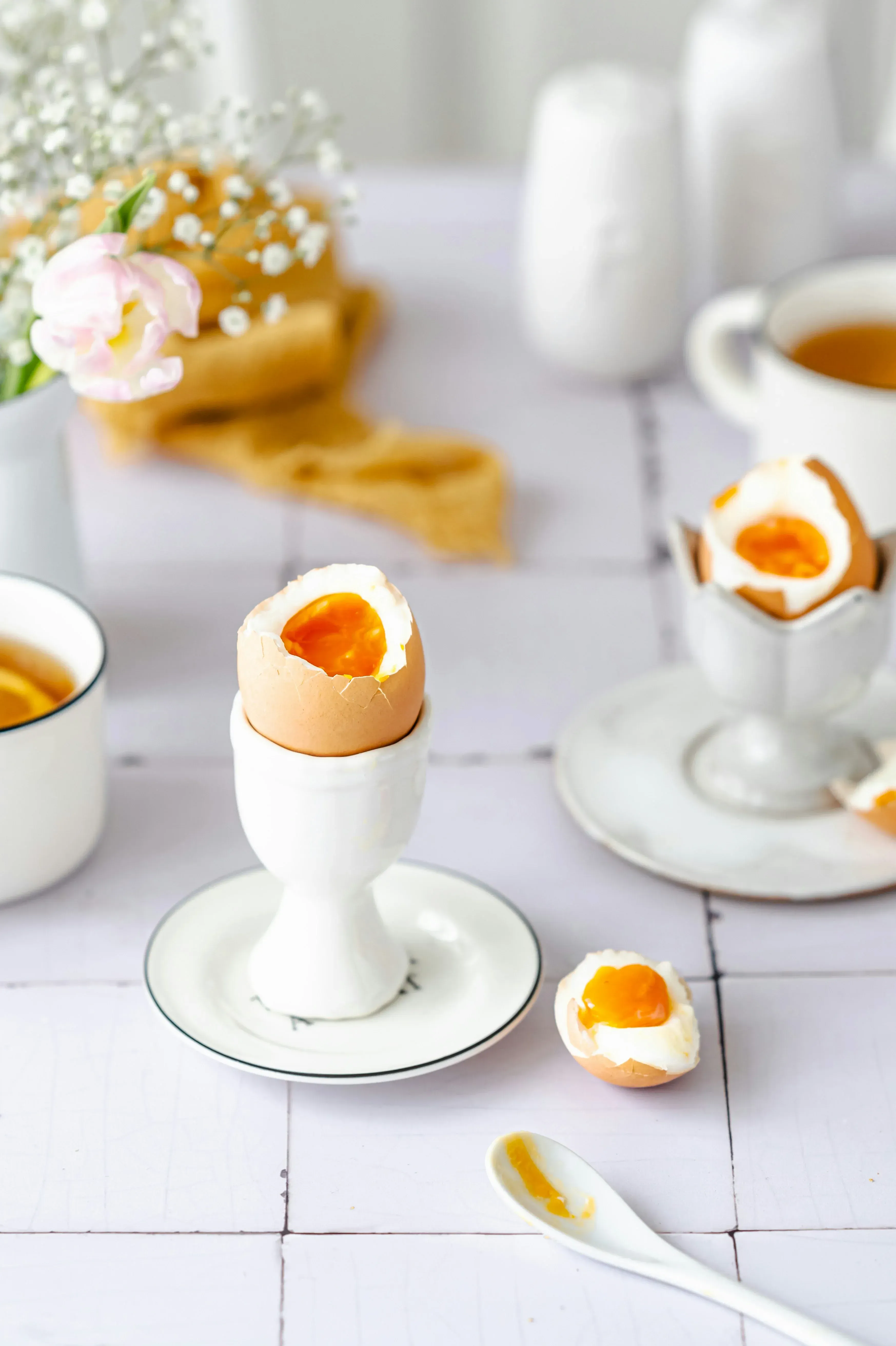
4 min
How to Cook the Perfect Soft-Boiled Egg
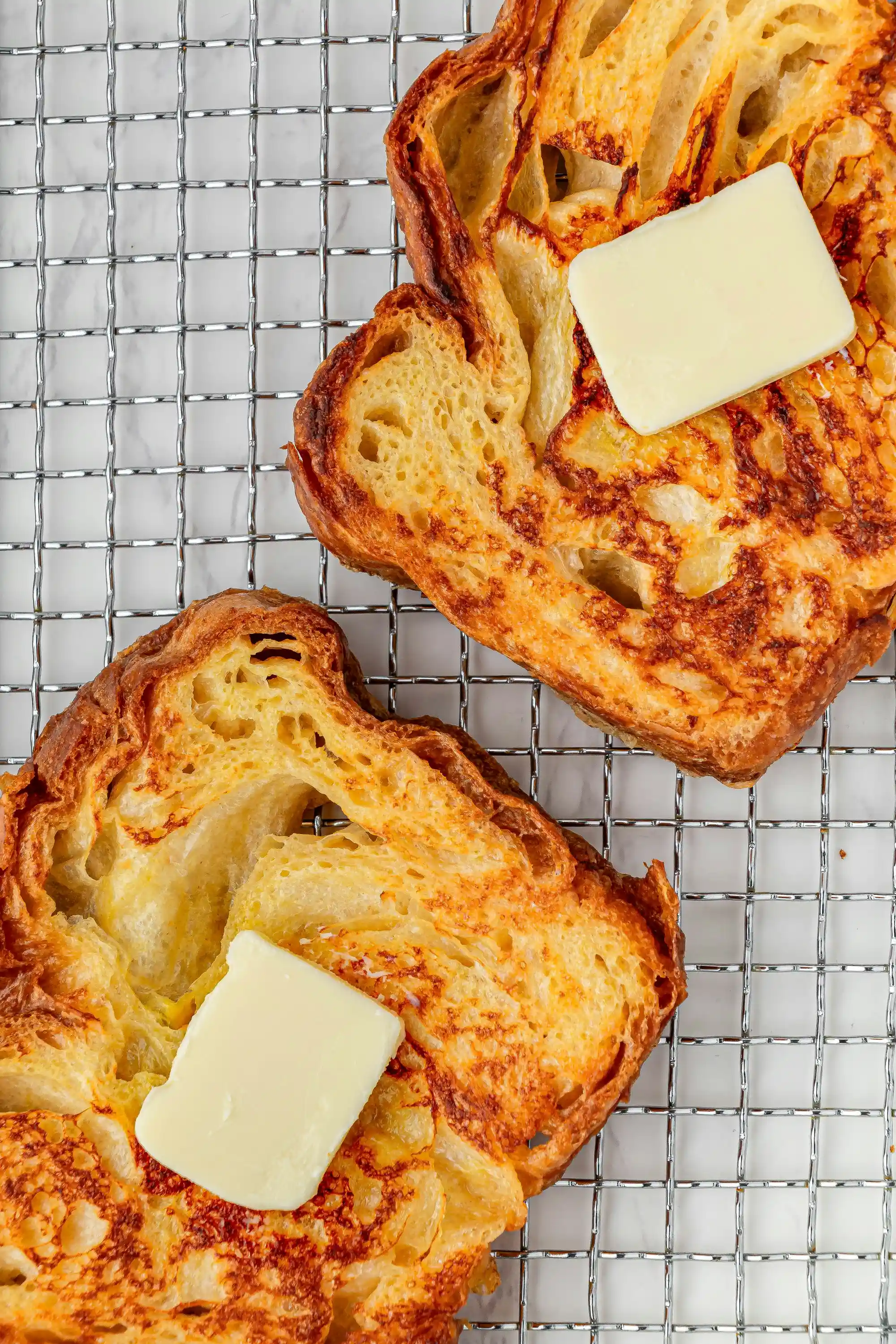
7 min
10 Tips for the Best French Toast
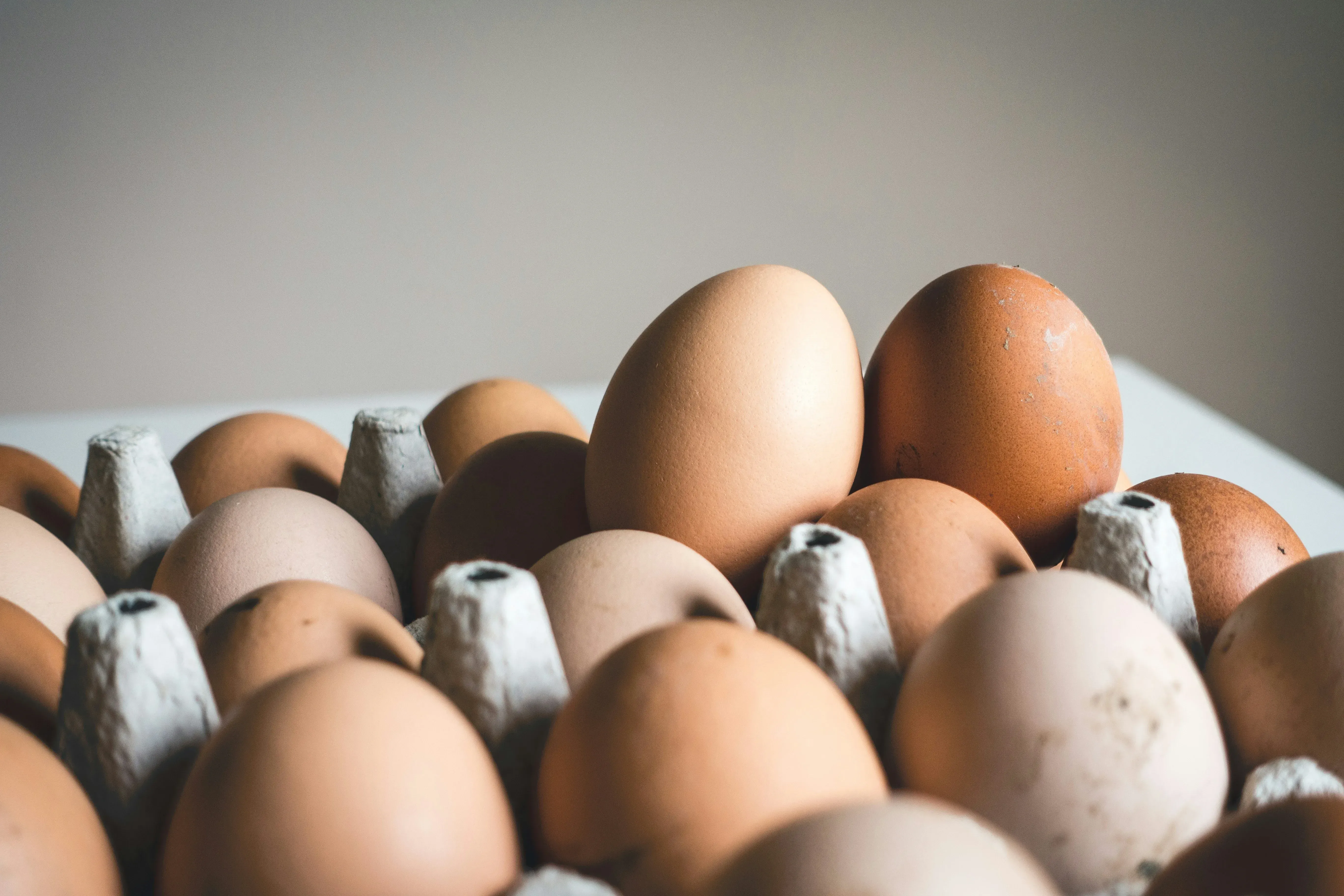
5 min
Should eggs be at room temperature before baking?
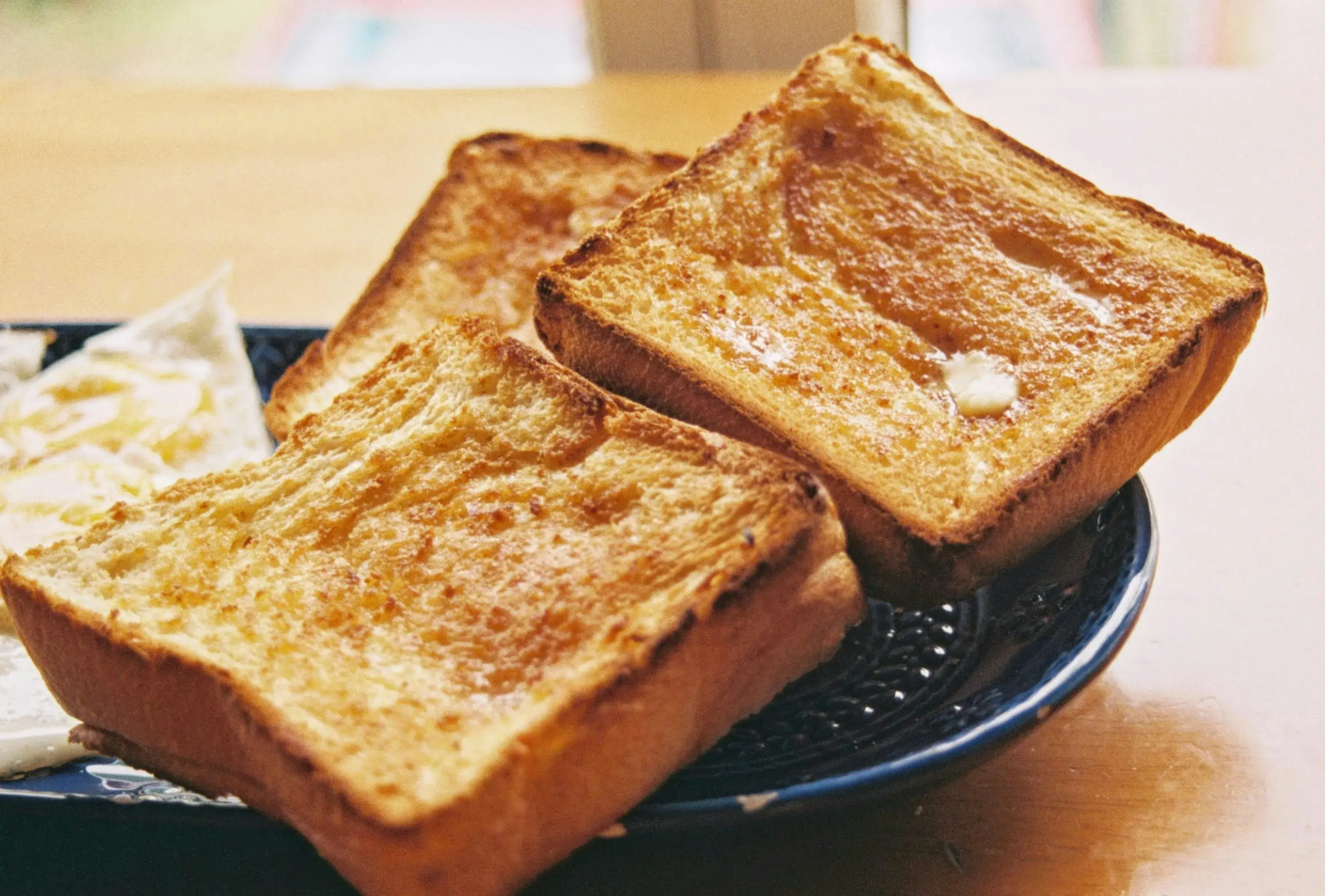
4 min
How to Toast Bread in the Oven?
5 min
How long should you boil potatoes for mashed potatoes?
4 min
Brown Eggs vs White Eggs: Is There a Difference?
7 min
5 Tips for the Perfect Caesar Salad