Basil adds a fresh, summery flavor to your favorite dishes like salads, pizza, bruschetta, and more. But just because it brings freshness doesn't mean it stays fresh for long. Unfortunately, this bright green aromatic herb can go from vibrant and perky to limp and wilted before you have a chance to use it.
How to Store Fresh Basil?

Елена Талин
5 min
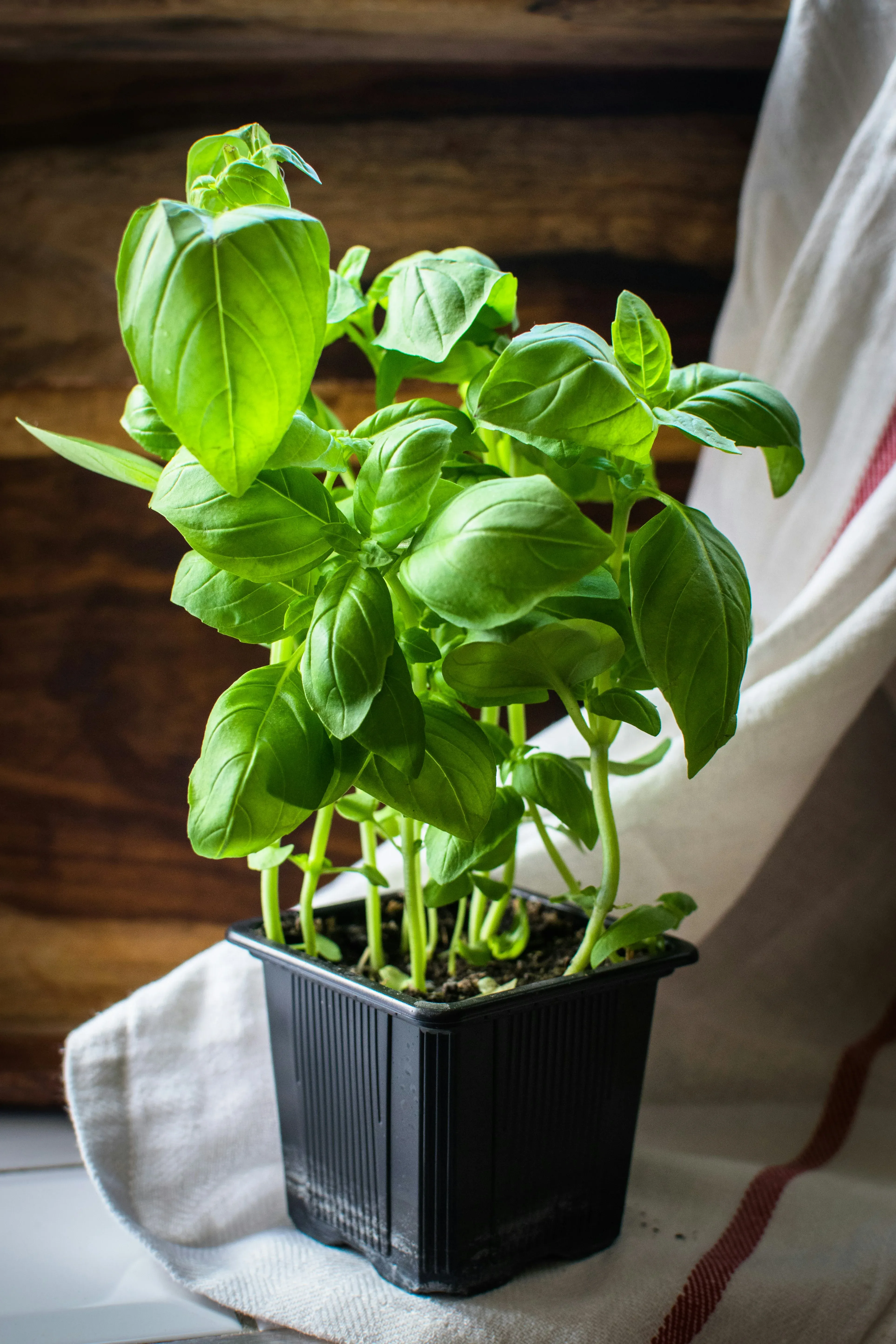
How to store fresh basil leaves?
There is no one method for storing basil. People swear by different methods, so I’ve provided two options, both with proven results.<br><br>- ##### How to store basil like a bouquet<br><br>Like many fresh herbs, it’s helpful to think of them as cut flowers. Any leafy herb with a soft stem, including basil, can be stored like a bouquet of flowers — in water.<br><br>Here’s how:<br>Trim the stems, removing the last inch or two. Place the basil in a jar filled with a few inches of water.<br>Lightly cover the tops of the basil with a plastic bag.<br>Keep the basil bouquet at room temperature, changing the water every few days. Whatever you do, do not put it in the fridge. Basil does not do well with cold. When you’re ready to use it, wash and dry the leaves.<br>Fresh basil will last one to two weeks when stored this way.<br><br>- ##### How to store basil in a plastic bag<br><br>Another popular method for storing basil is the plastic bag method (sounds much less exciting than "basil bouquet," I know). If you prefer to store basil in the fridge like salad greens, this method protects it from the harsh temperature.<br><br>Remove the leaves from the stems. Wash and dry the leaves using either a paper towel or a salad spinner.<br>Wrap the basil leaves in a dry paper towel and place them in a plastic bag. Seal and store for one to two weeks.
How to preserve basil?
If you don’t plan to use your basil within one to two weeks, there are two methods for long-term storage: freezing and drying.
How to freeze basil?
Since basil is not as sturdy as herbs like rosemary or mint, it does best when frozen as a paste.<br><br>Here’s how:<br>Rinse the herbs. Then blanch them by dipping them in a pot of boiling water for about 10 seconds (tongs are the best way to do this). Then shock them by immediately dipping them in a bowl of ice water.<br>Dry with a paper towel or salad spinner. Remove the stems.<br>Add to a food processor along with enough olive oil to create something like a pesto paste. Freeze in ice cube trays.<br>To use frozen basil, add it to hot dishes directly from the frozen state or thaw and drain before adding to cold dishes. Frozen basil will last up to three months.
How to dry basil?
You never know how long store-bought dried basil has been sitting on the shelf, so drying your own will be the fresher (and cheaper) option.<br><br>Here’s how:<br>Wash and thoroughly dry the basil. Remove the stems.<br>Preheat the oven to 90 degrees, or to the lowest temperature. Place the basil on a baking sheet lined with parchment paper on the top rack of the oven. Bake for two to four hours, or until dry and crumbly.<br>Let the basil cool completely, crumble it, and store it in an airtight container for up to one year.<br>As with all dried herbs, the ratio is about one teaspoon of dried basil for one tablespoon of fresh.
If you think you've given up on this ever-fading herb, read this first. When stored properly, fresh basil can last long enough to be worth your money. And if you want to keep it even longer, you'll also learn how to freeze and dry basil for long-term storage.
This content was translated with the help of AI and may contain inaccuracies.
Similar recipes
Related reading
3 min
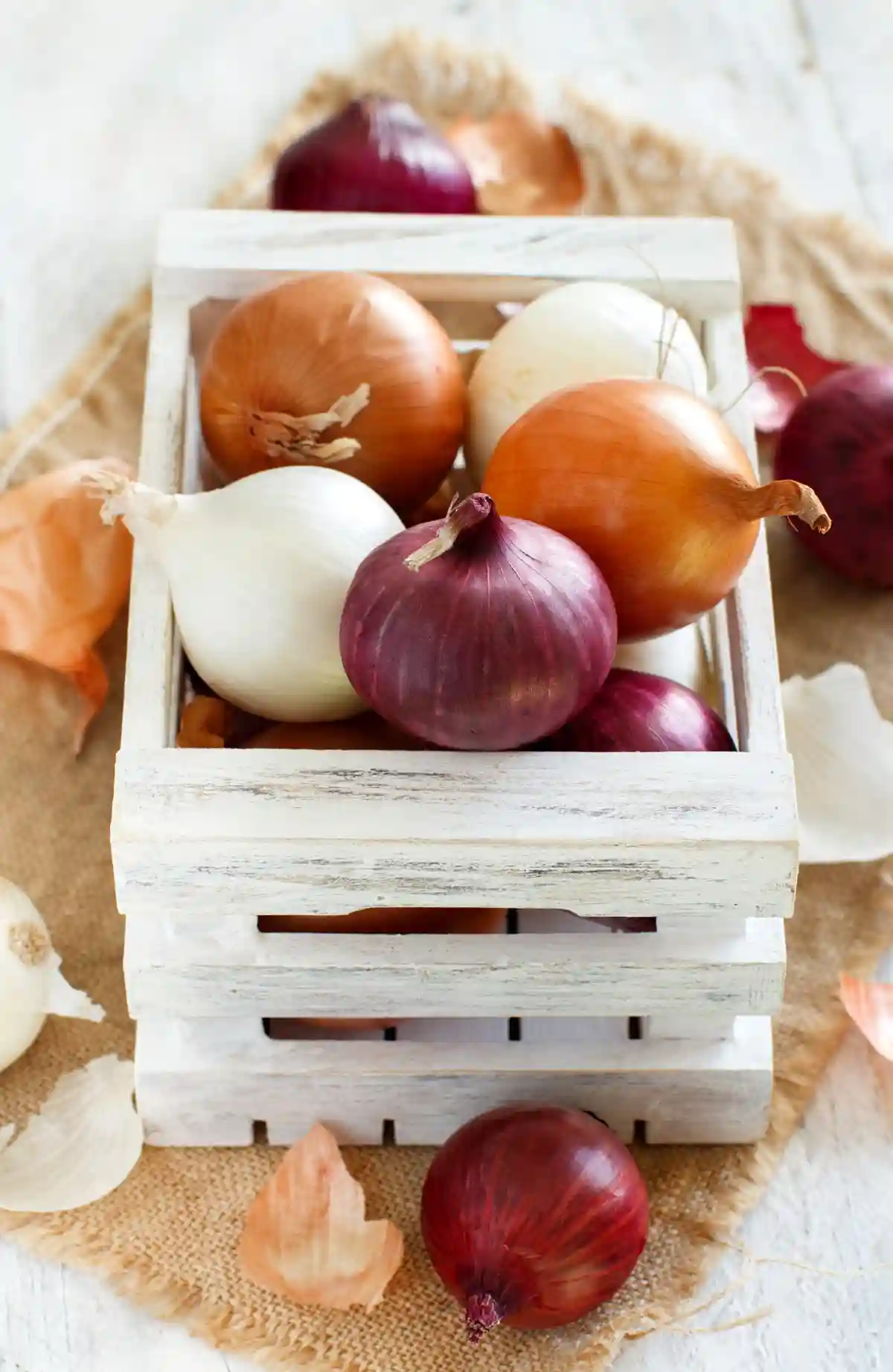
The Best Way to Store Onions
4 min
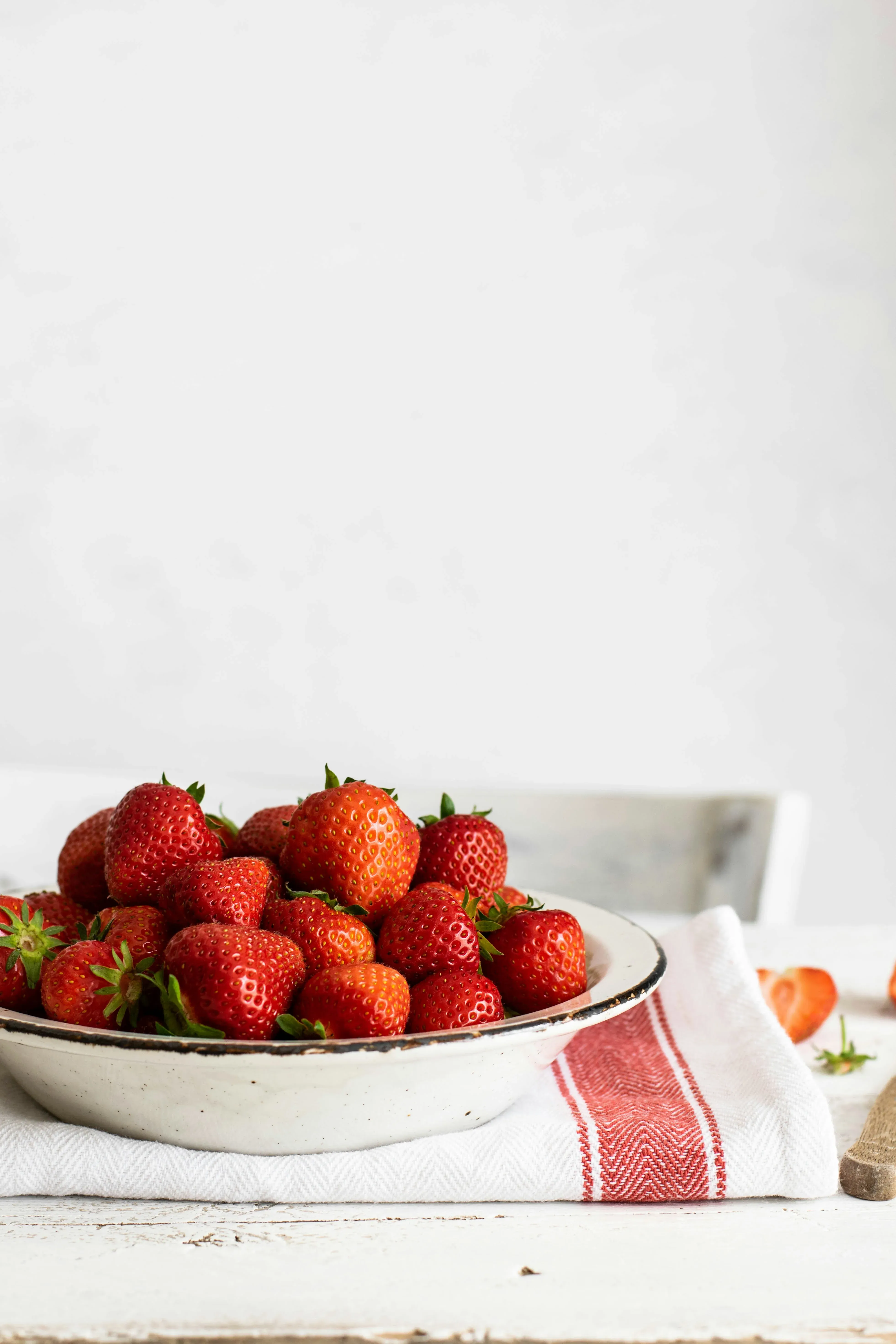
How to Store Strawberries for Longer Lasting Freshness
3 min
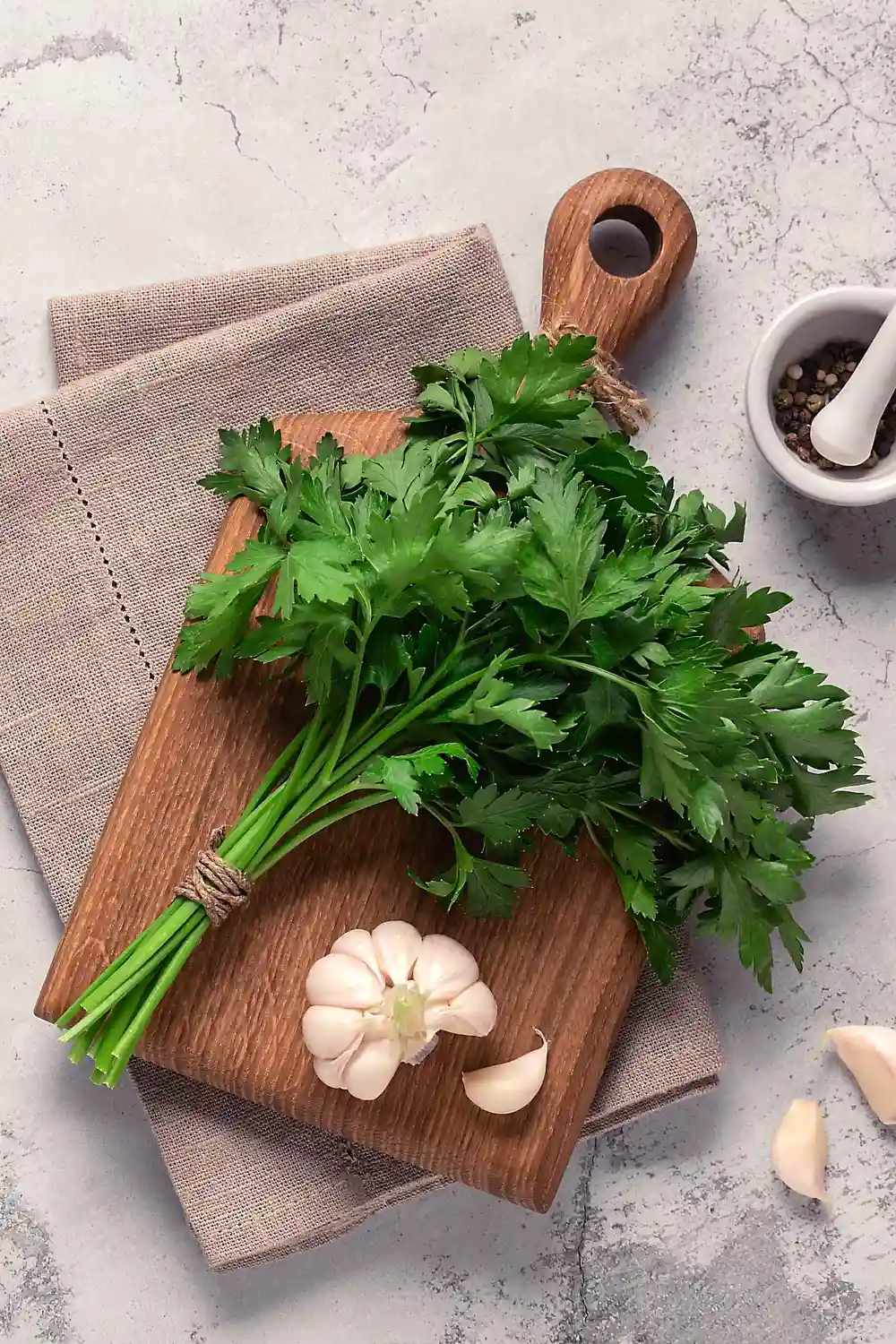
Everything About Cooking with Parsley
3 min
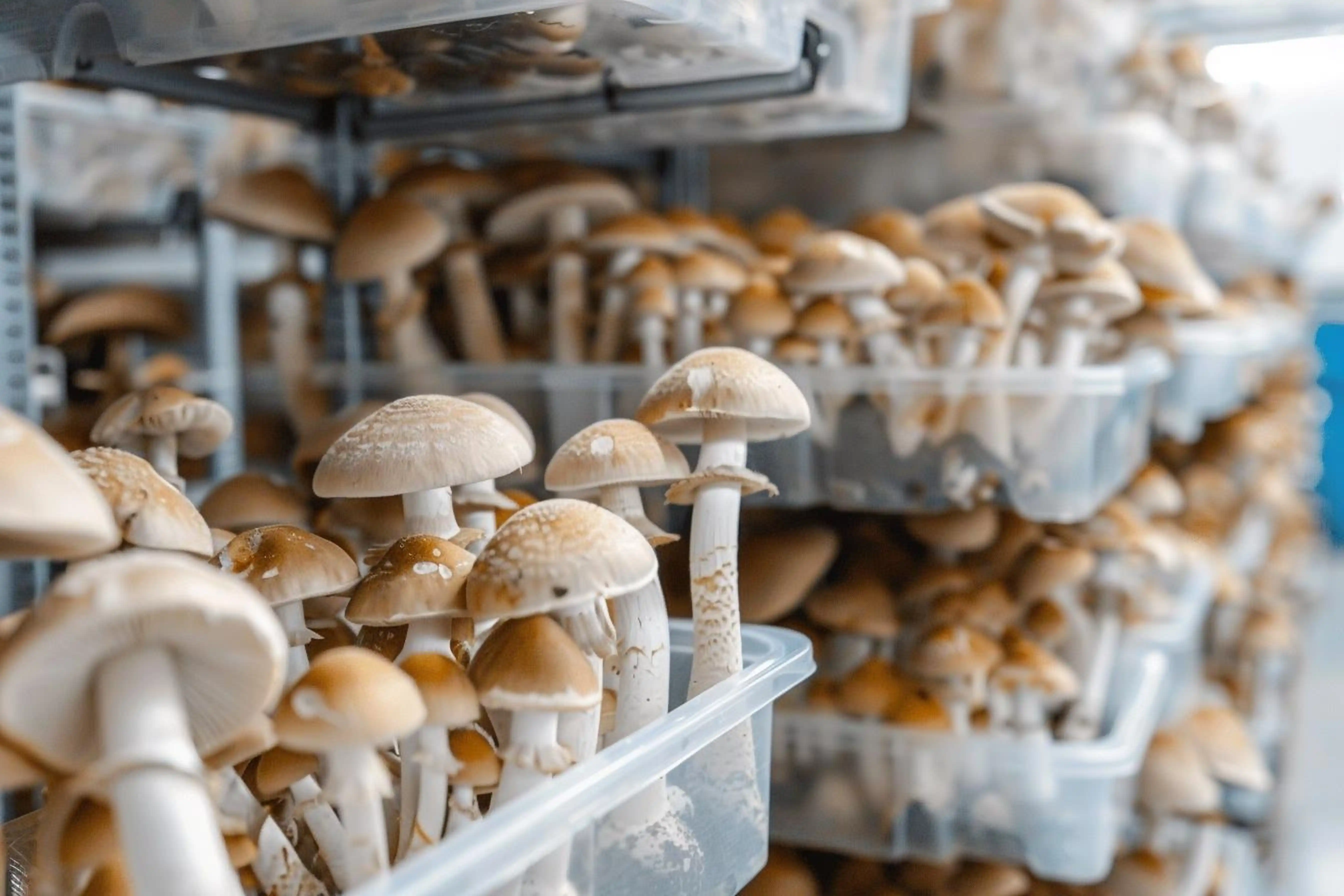
How to Freeze Mushrooms to Preserve Fresh Flavor
2 min
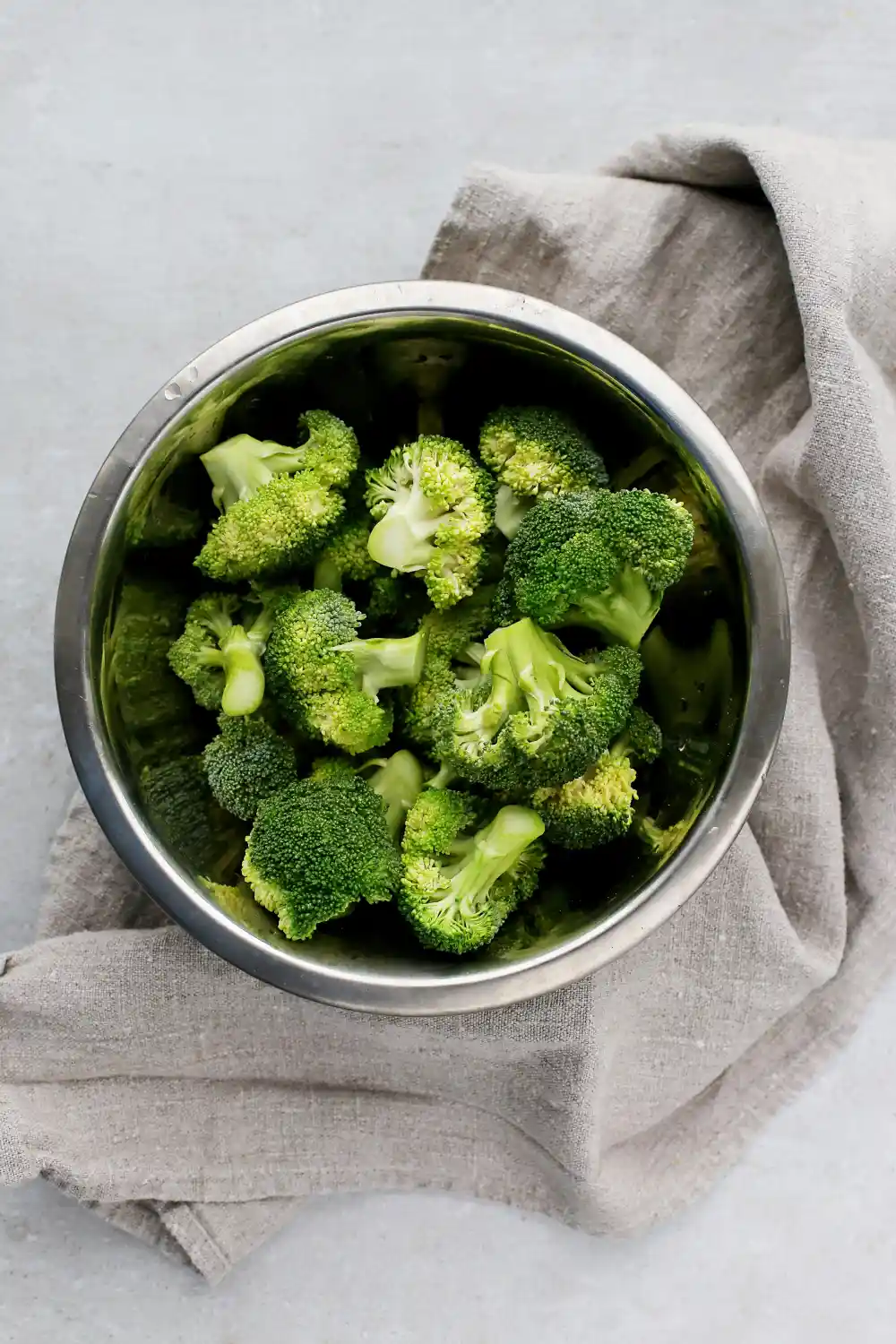
How to Blanch Vegetables
5 min
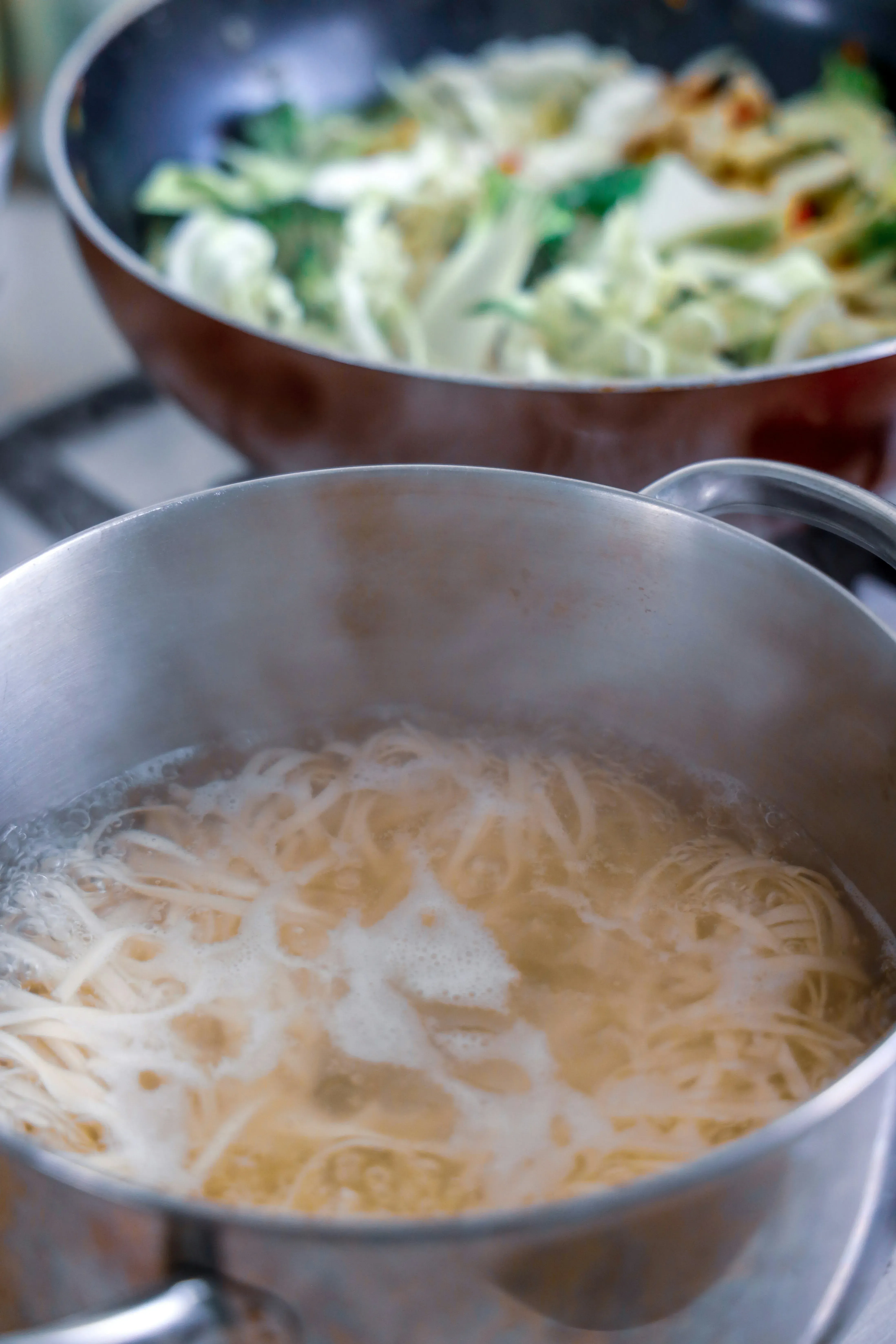
Stop Throwing Away Pasta Water
3 min
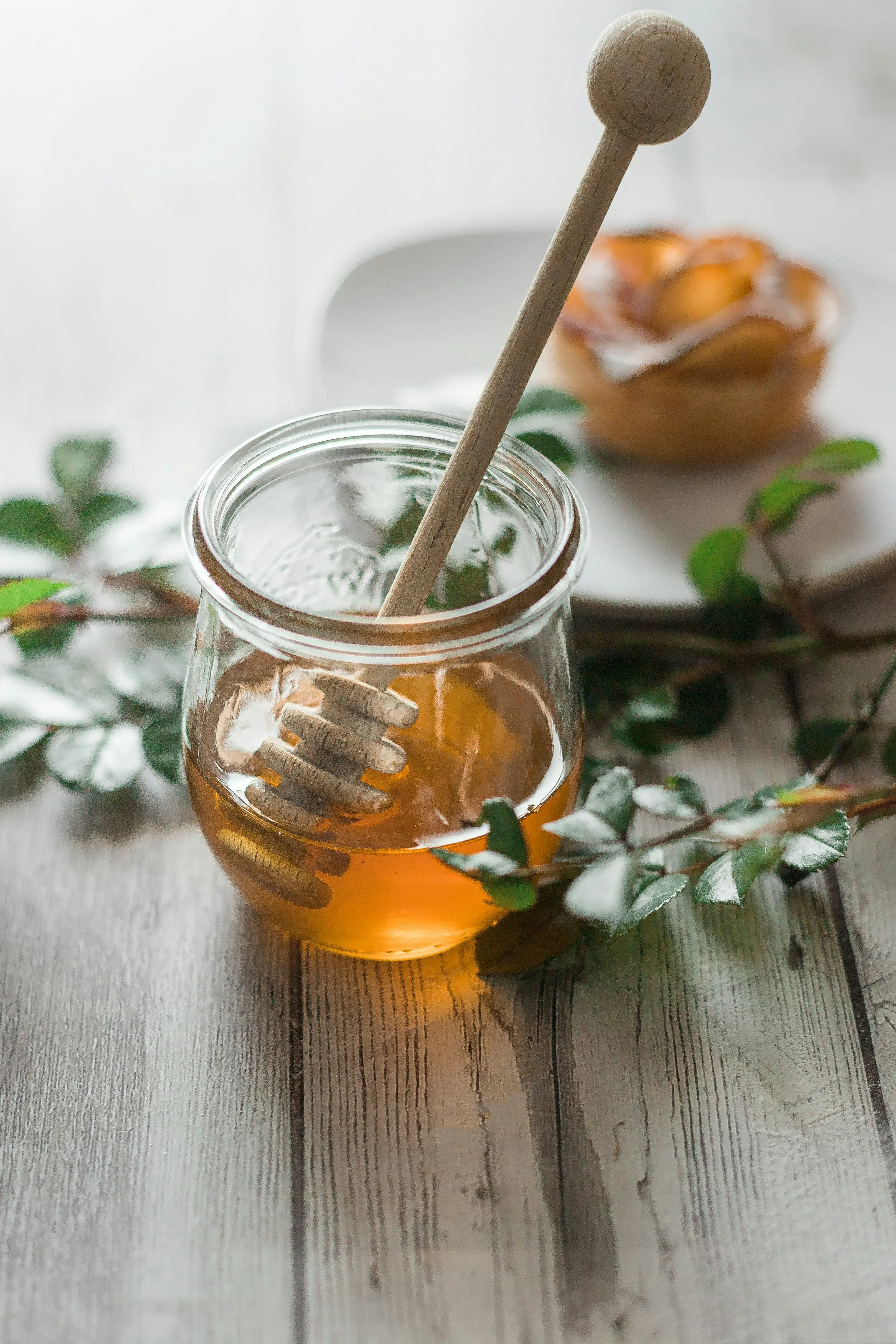
Does Honey Spoil?

7 min
8 Tips for Cooking Italian Food