Cooking Italian food may seem challenging, but with a few simple tips, you'll find that it's actually easy and fun. In this article, we will present you with 8 practical guidelines that will help you create delicious Italian dishes at home with ease and pleasure.
8 Tips for Cooking Italian Food

Елена Талин
7 min
What pasta should I use for different types of sauces?
Italians choose the shape of the pasta according to the sauce. For example, penne is suitable for creamy sauces, while spaghetti is ideal for lighter sauces like aglio e olio.
How can I achieve an authentic Italian sauce flavor?
Use fresh tomatoes or high-quality canned tomatoes, fresh herbs like basil and oregano, and never forget a pinch of olive oil.
How long should I cook the pasta?
Cook the pasta "al dente," according to the package instructions, checking it regularly. It should be slightly firm but not raw.
What cheeses are typical in Italian cuisine?
The most popular are parmesan, mozzarella, ricotta, and gorgonzola. Use them according to the recipe for the best results.
1. Use quality ingredients
Italian cuisine relies on simplicity, which means that the quality of the ingredients is essential. Invest in good extra virgin olive oil, fresh tomatoes, aromatic basil, and real Parmigiano-Reggiano.
2. Follow the seasonality of products
Italians cook with ingredients that are in season. This not only enhances the flavor but also makes the dishes more economical and sustainable. In summer, focus on fresh tomatoes and arugula, while in winter, emphasize squash, artichokes, and legumes.
3. Pair pasta with the right sauce
Not all pasta shapes are created equal. Long pastas like spaghetti are ideal for creamy or buttery sauces, while short pastas like penne and rigatoni are perfect for meat or vegetable sauces that cling well to the pasta.

4. Do not rinse pasta after cooking
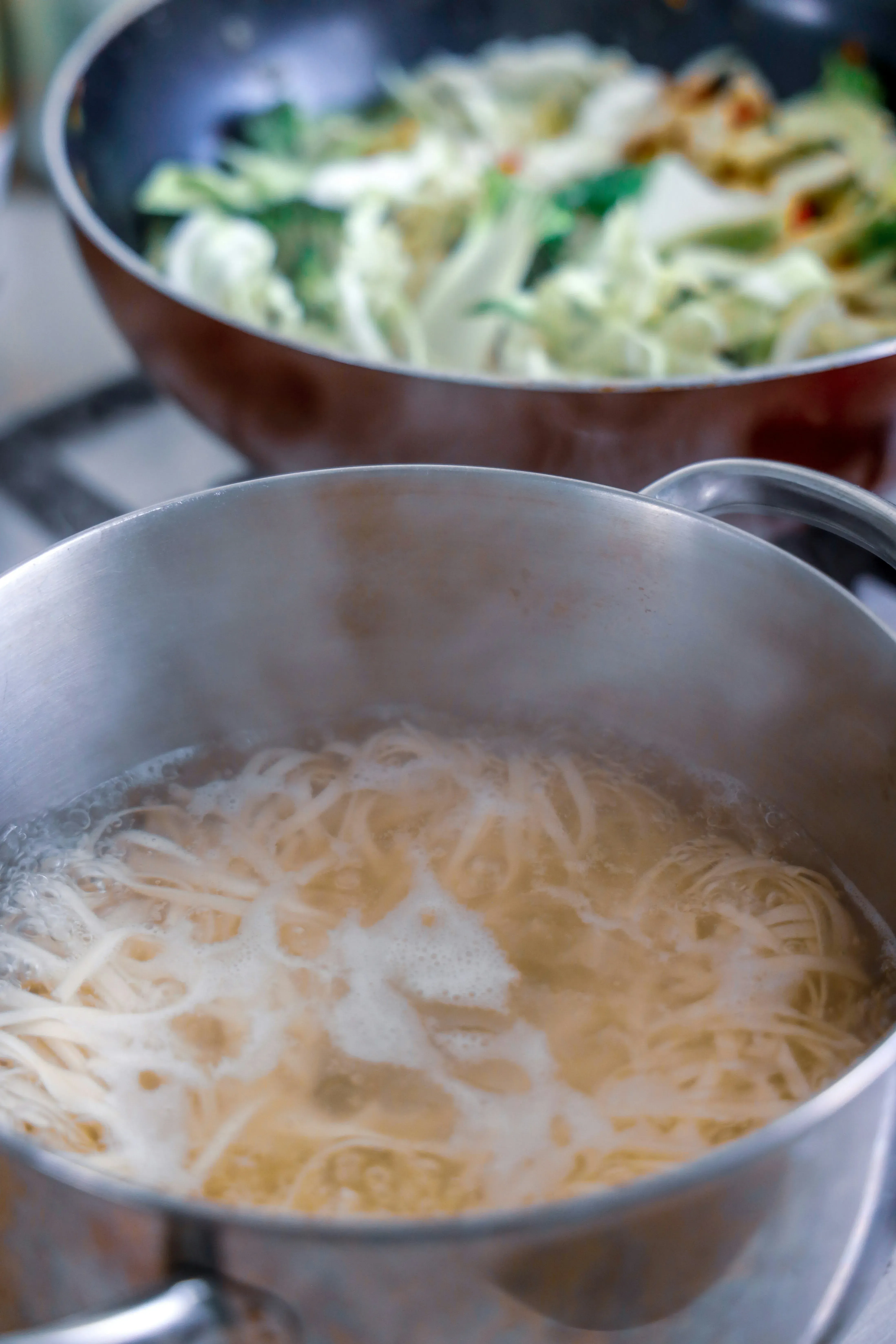
A common mistake is rinsing pasta after cooking. The cooking water contains starch, which helps the sauce adhere better to the pasta. Add a little of this water to the sauce for a velvety texture.
5. Trust fresh herbs
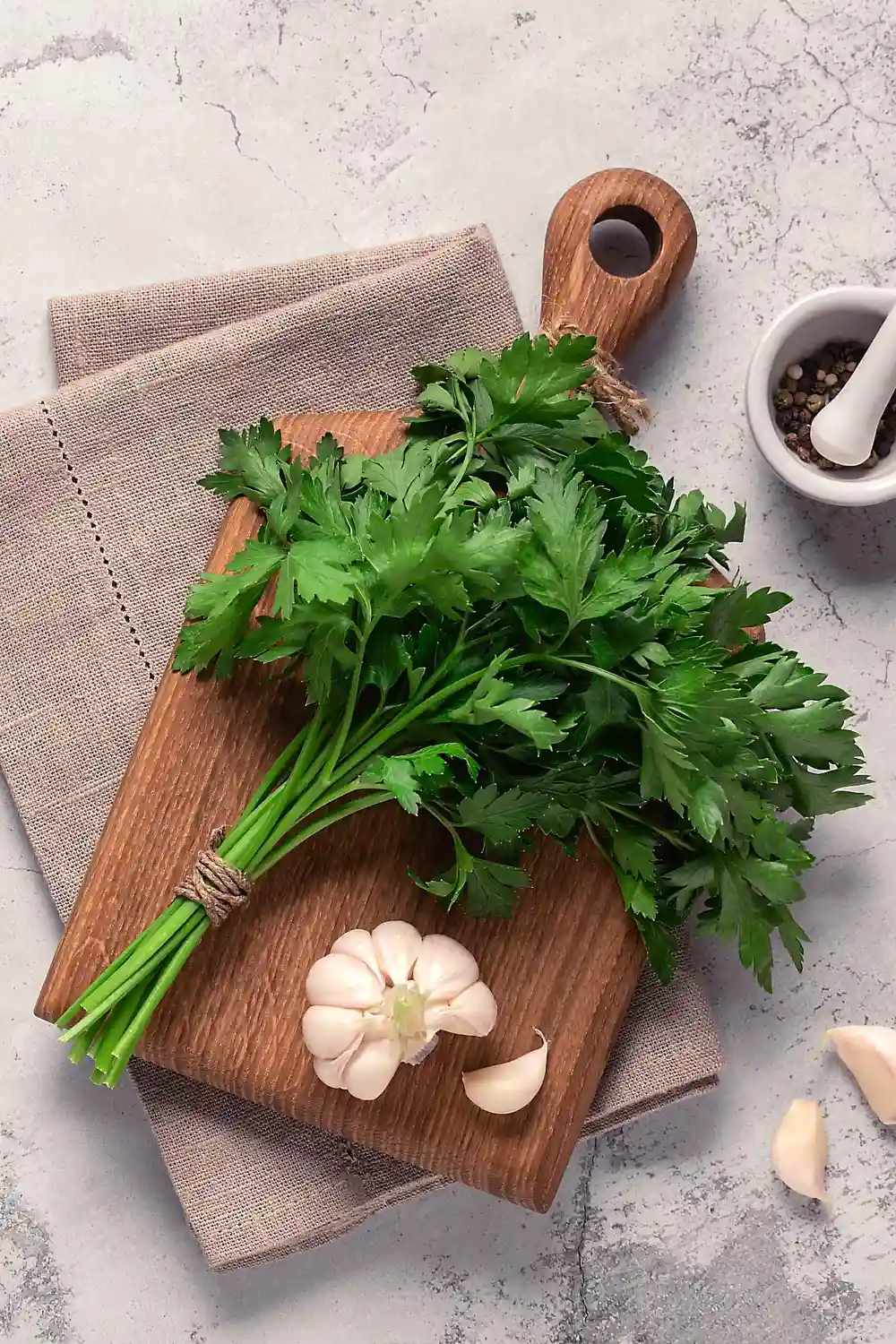
While dried herbs are suitable for long-cooking dishes, fresh basil, parsley, or oregano will give your dish an authentic Italian aroma.
6. Don’t overdo the seasoning
Italian cuisine is about enjoying the natural flavor of the ingredients. Use salt, pepper, and olive oil sparingly so as not to overpower the original taste of the dish.
7. Serve properly
Italians believe that presentation is important. Use appropriately sized plates and serve dishes hot to make the experience even more enjoyable.
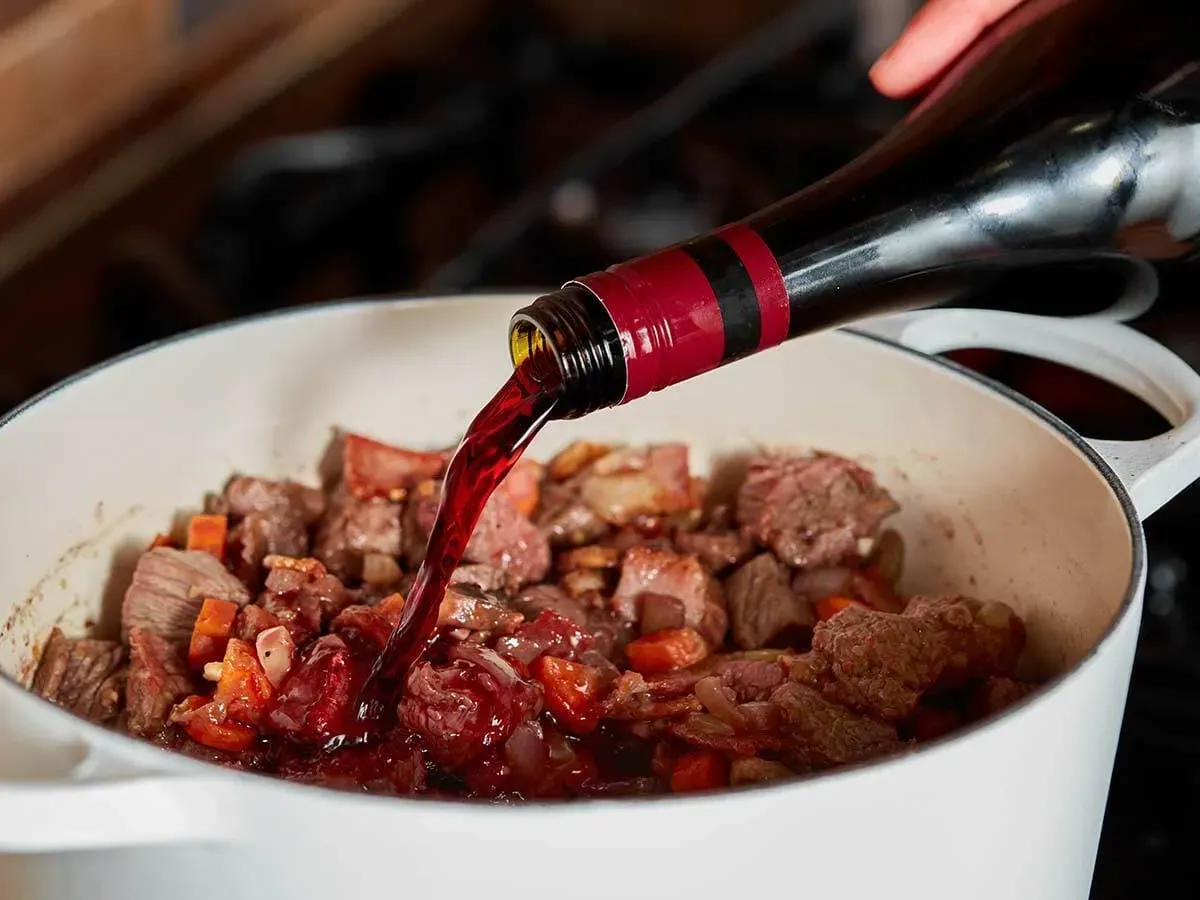
8. Don’t forget the wine
Every Italian dish goes hand in hand with a glass of wine. Light white wines like Pinot Grigio are great for seafood and pasta with pesto, while reds like Chianti pair perfectly with lasagna and risotto.
This content was translated with the help of AI and may contain inaccuracies.
Similar recipes
40 min
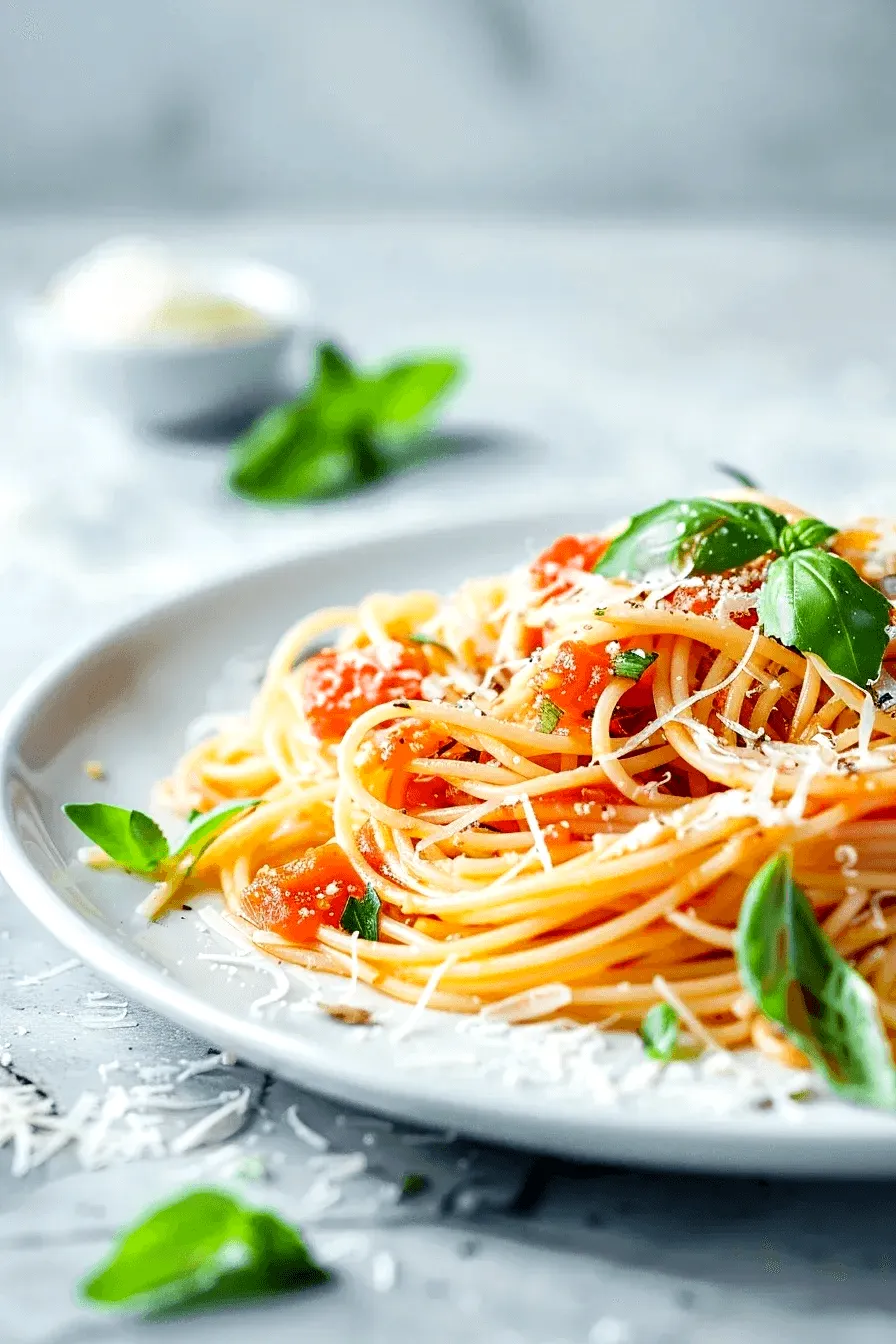
Spaghetti Pomodoro - with fresh tomatoes, basil, and parmesan
15 min
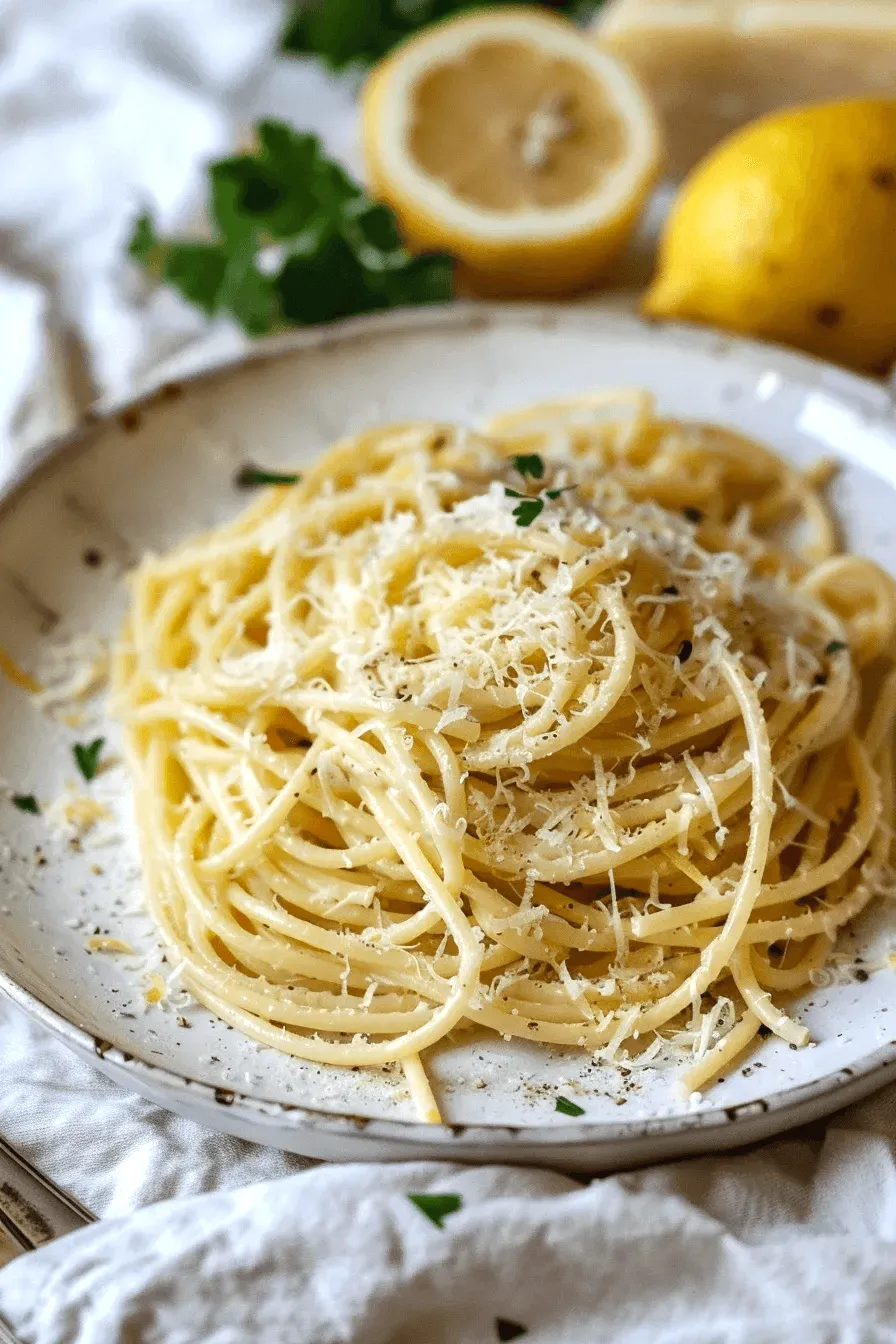
Lemon Pasta with Garlic and Parmesan
130 min
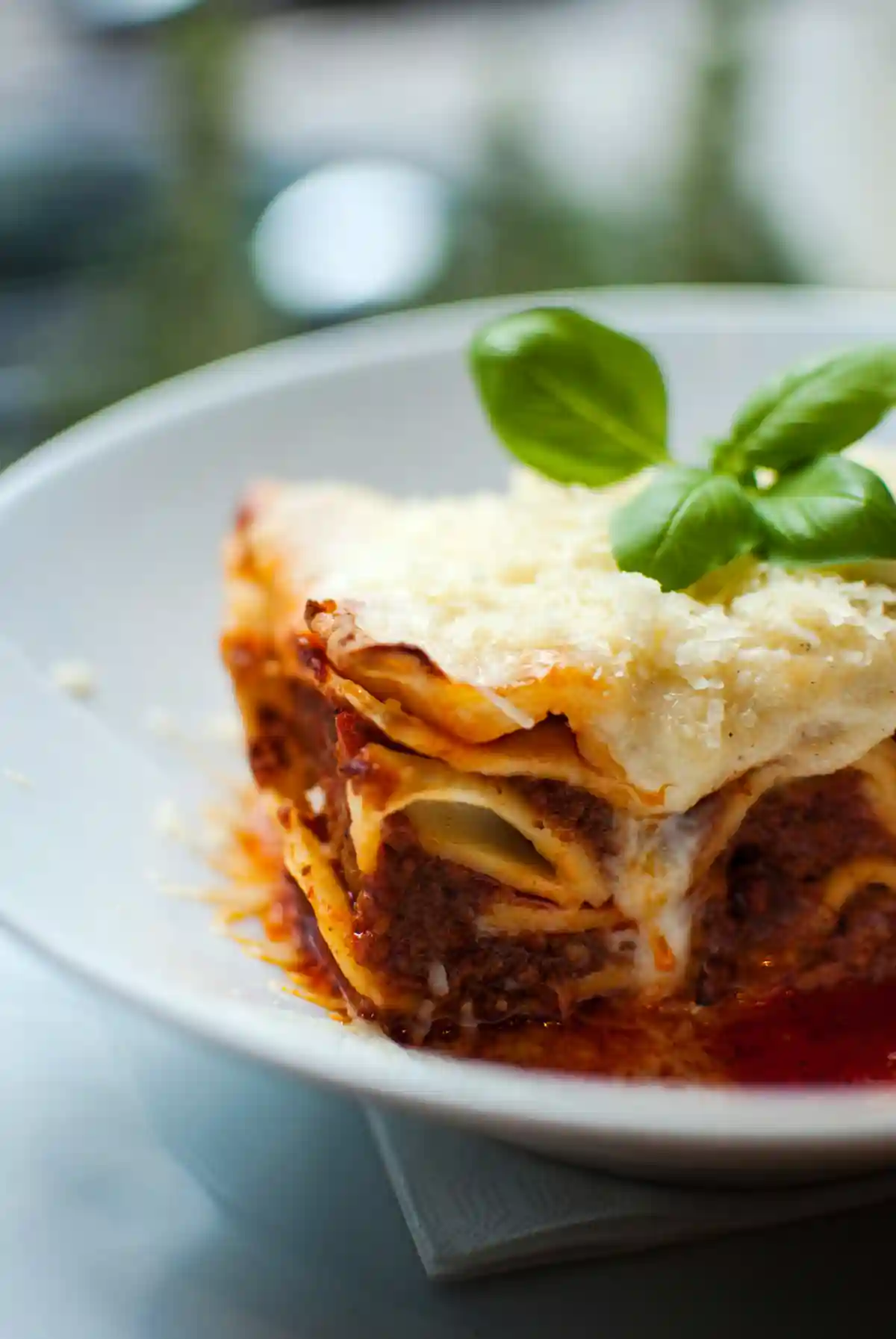
Classic Lasagna
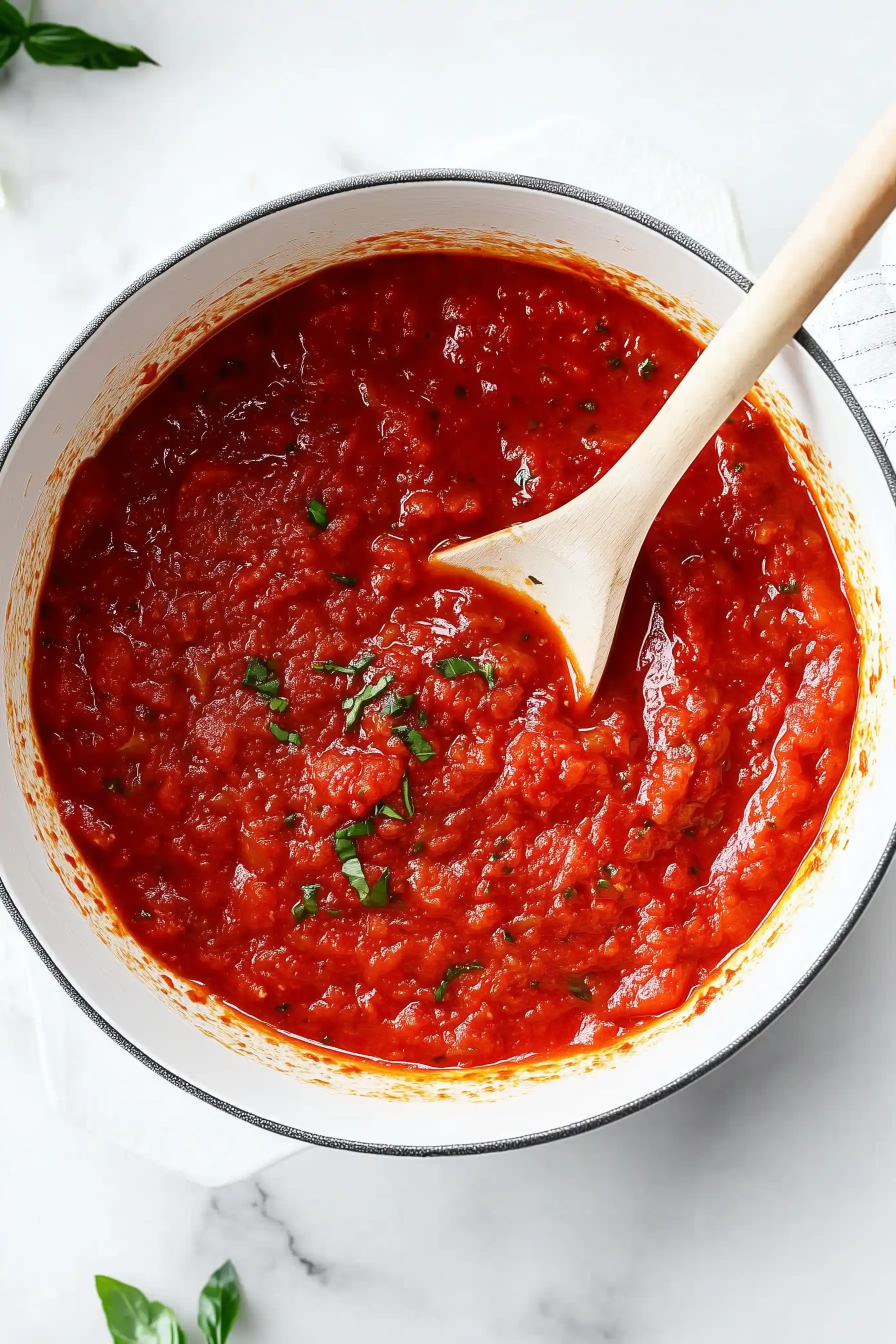
30 min
Marinara Sauce
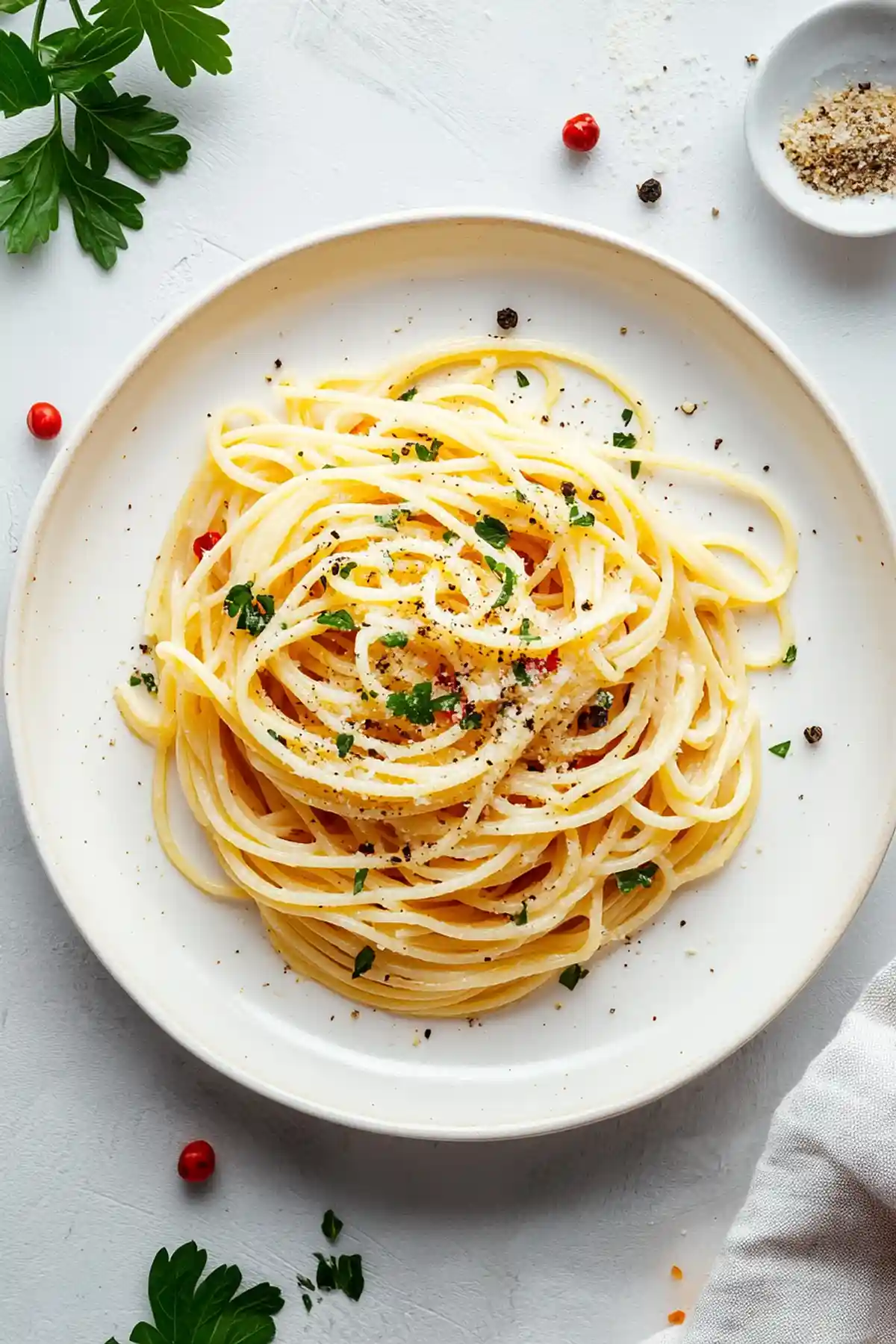
25 min
Spaghetti Aglio, Olio e Peperoncino
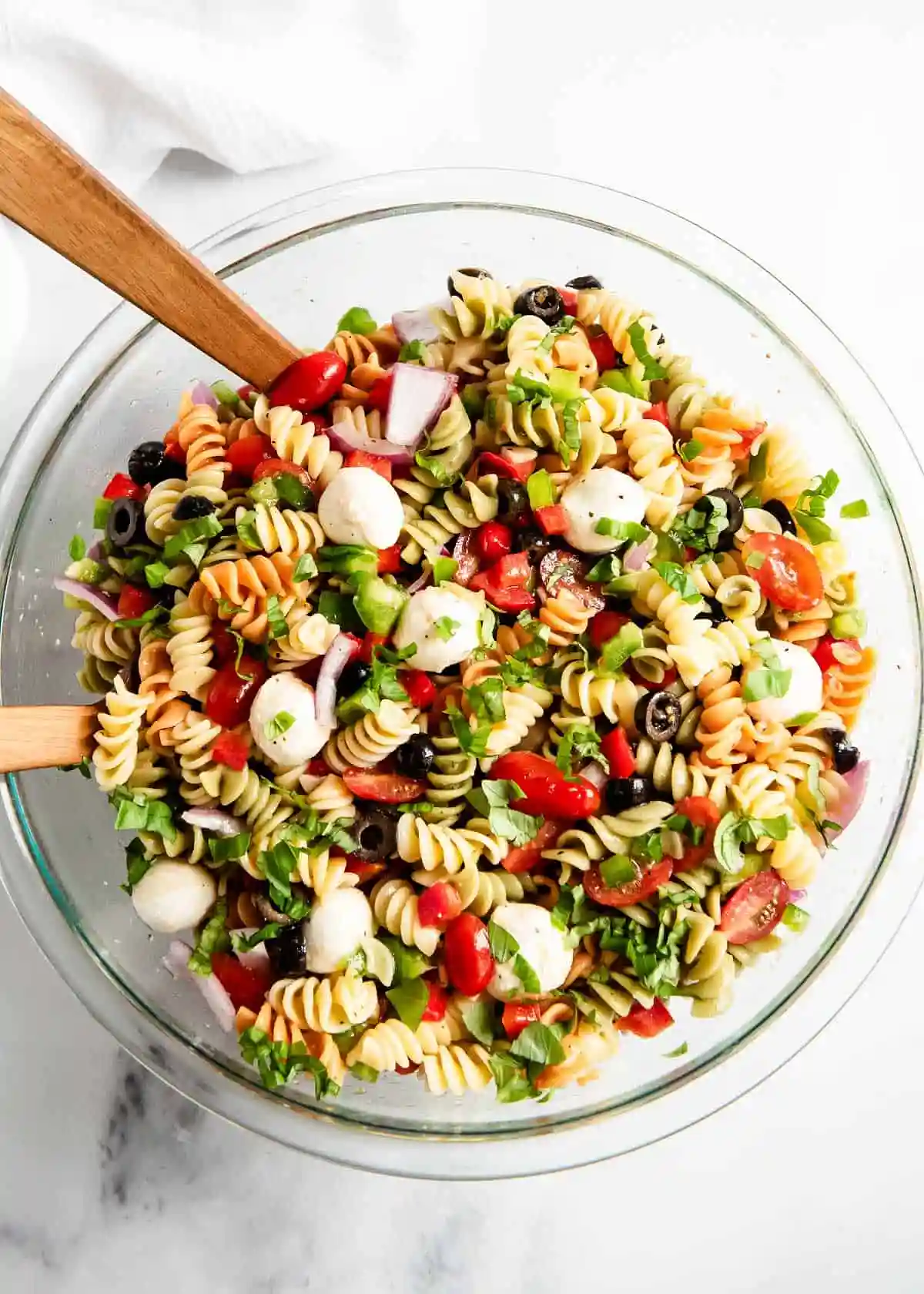
25 min
Italian Pasta Salad
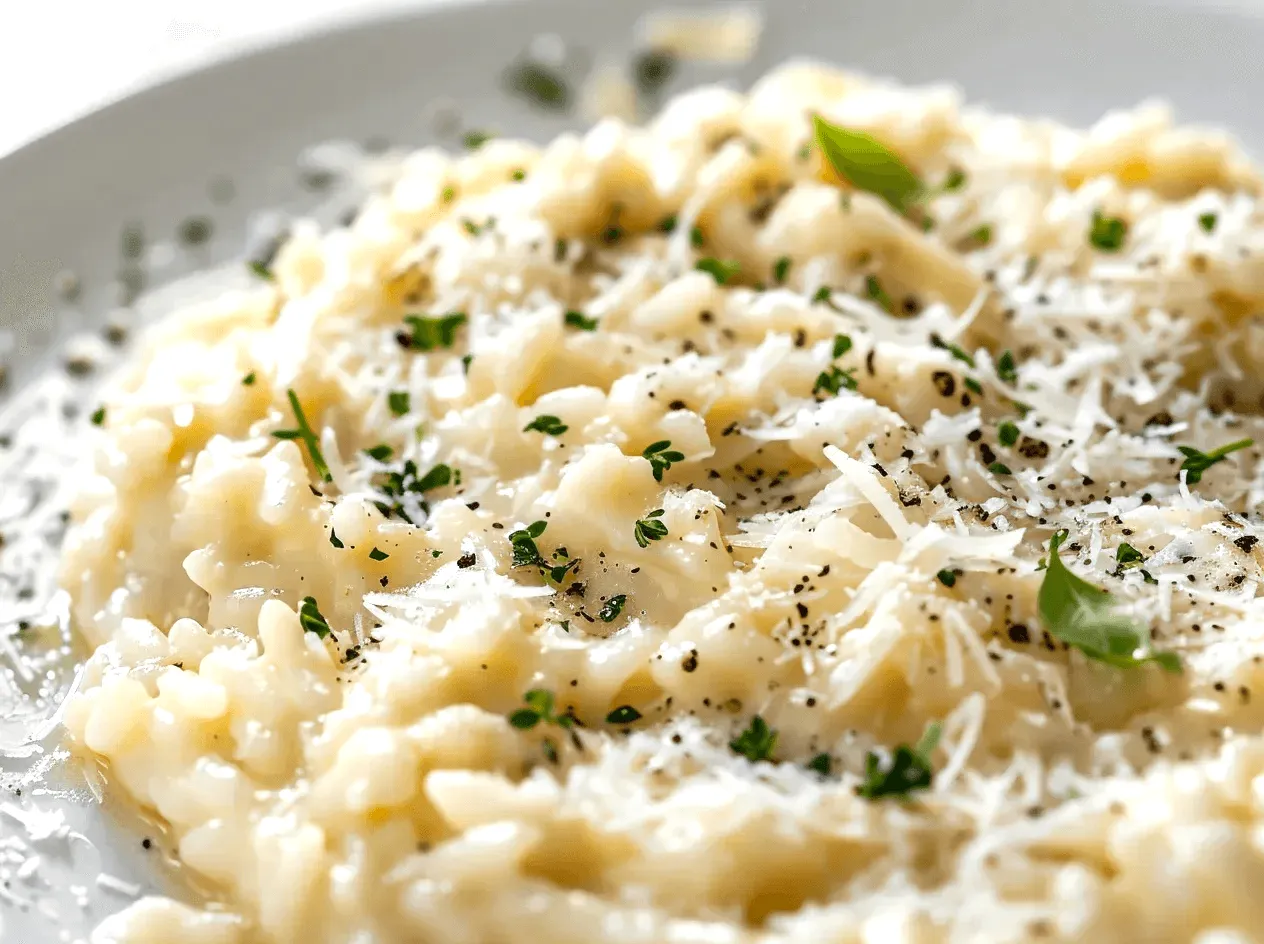
35 min
Creamy Risotto with Zucchini and White Wine
70 min
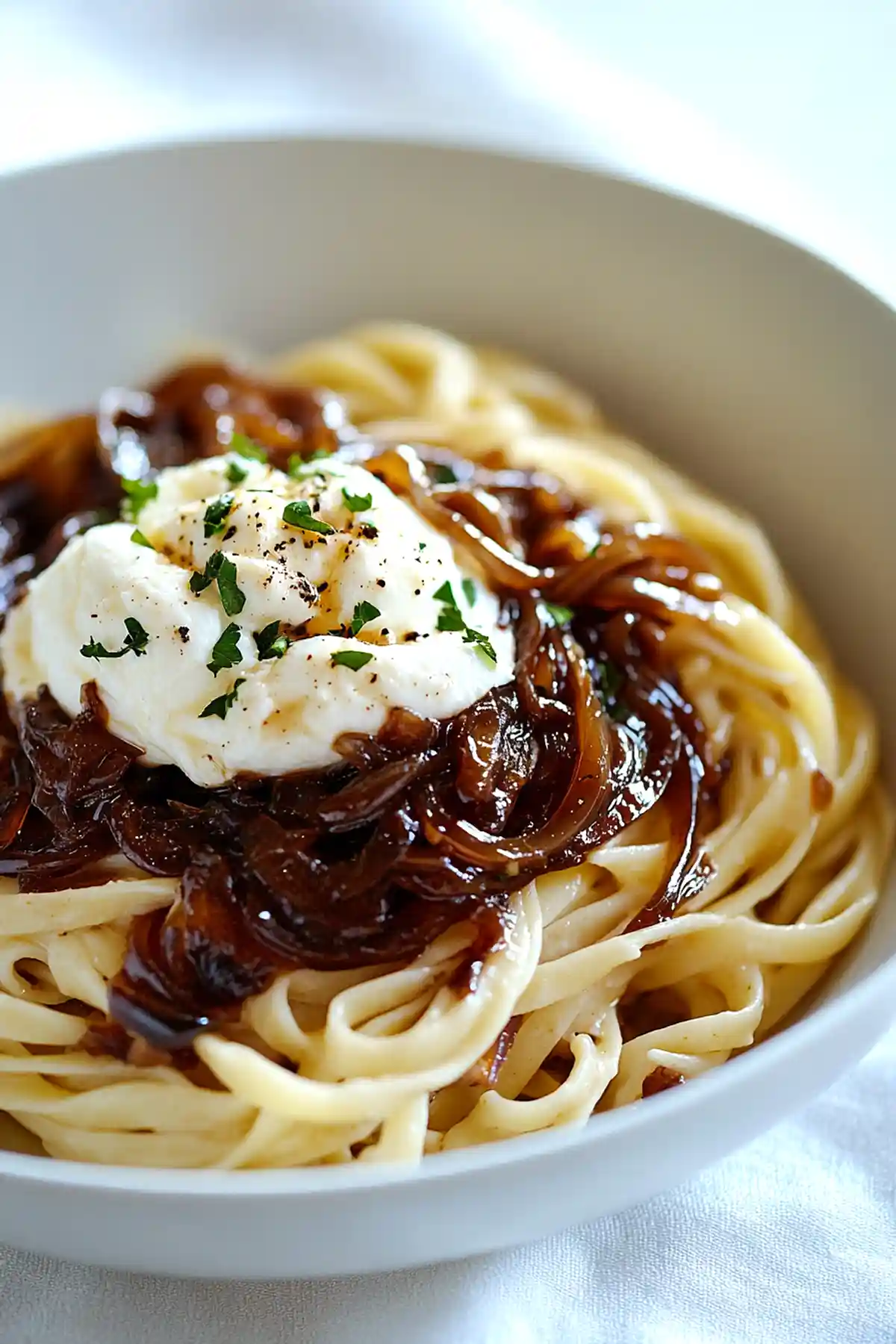
Pasta with Caramelized Onions and Burrata