What is bulgur? Nutritional benefits, preparation, and storage

Bulgur is an easy-to-cook, super versatile whole grain food. It is made from cracked whole grain kernels of various types of wheat. Since bulgur is pre-cooked (partially cooked) and dried before being packaged, it cooks much faster than other types of wheat.

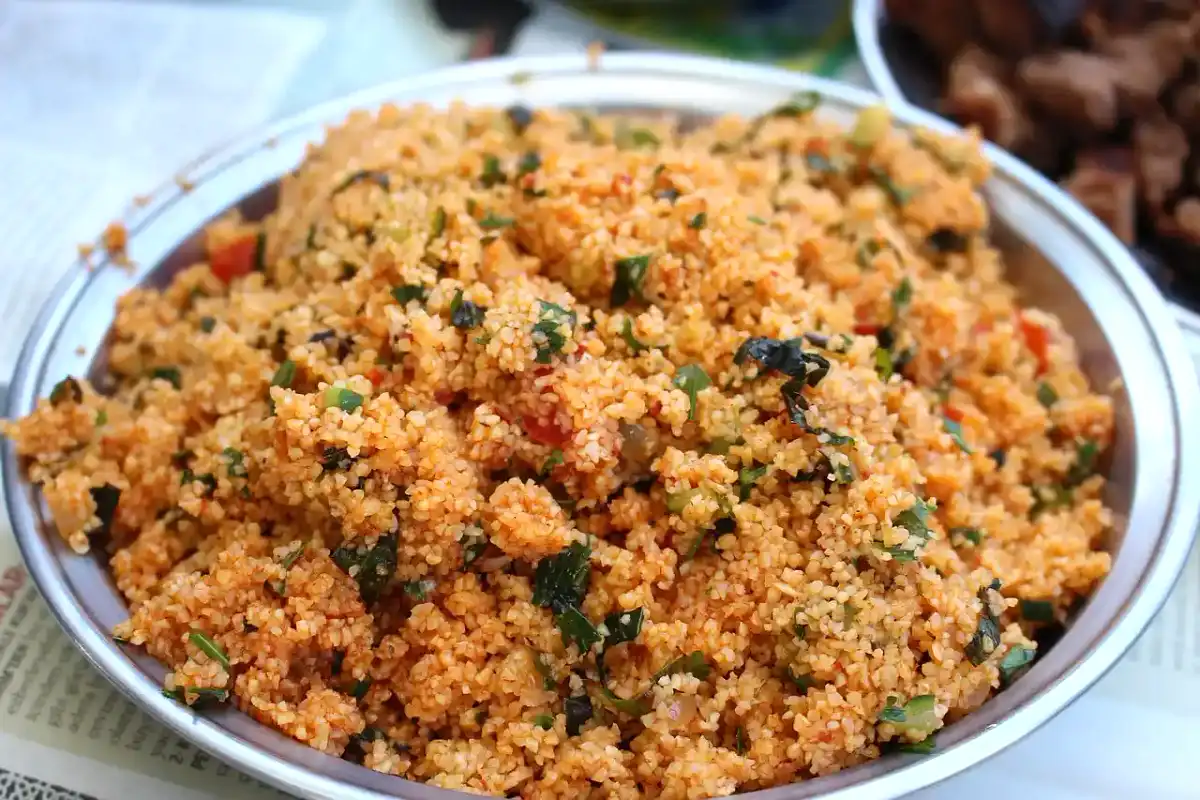
This is a common ingredient worldwide, especially in Oriental and Mediterranean cuisine. One of the most popular dishes with bulgur is tabbouleh, a finely chopped Oriental salad.
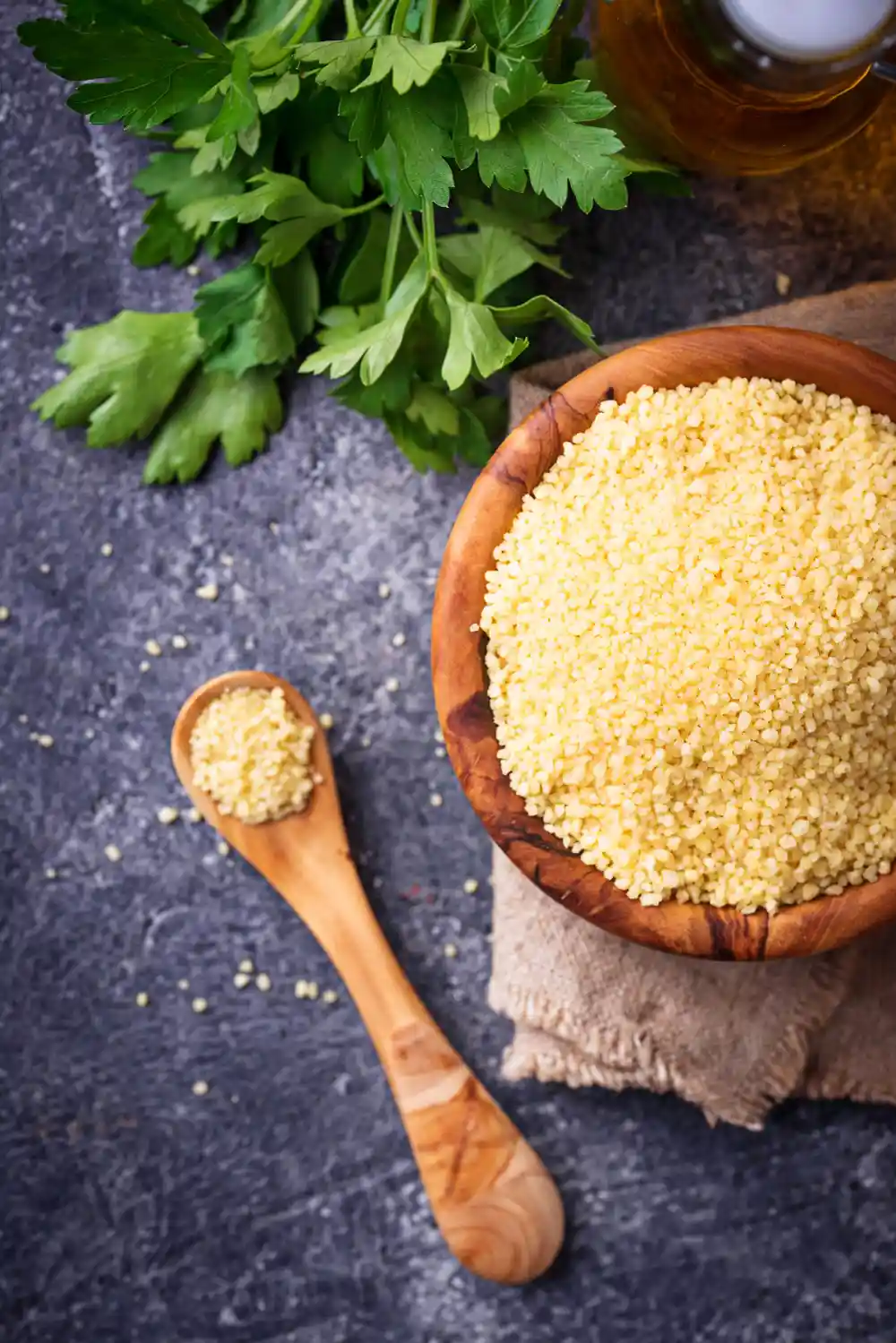
Дървена купа, пълна с жълта чечина, поставена на тъмна подложка. До купата се намира дървена лъжица с чечина, клонка прясна магданоз и бутилка с олио в задния план.
Bulgur vs Cracked Wheat

Bulgur and cracked wheat are often confused with each other. This is completely understandable – they look very similar. The difference between the two whole grains lies in the pre-cooking process. Bulgur is pre-cooked, while cracked wheat is not. This means that cracked wheat requires a bit more cooking time and has a shorter shelf life.

What does bulgur taste like?

The taste of bulgur is mild and nutty. Like other whole grains, it has a chewy texture when cooked. It is sold in various grinds, from fine to very coarse.

Nutritional values of bulgur

Its minimal processing sets it apart from more refined types of wheat that lack nutritional value. A rich source of fiber (one serving covers 30 percent of the recommended daily intake), bulgur supports digestive and heart health. It is also packed with manganese, iron, and magnesium.

Additionally, it is relatively low in calories, which, combined with its high fiber content, makes it an excellent food for weight loss or weight maintenance.

Substitutes for bulgur
  • Cracked wheat: Cracked wheat is the best choice. Bulgur and cracked wheat are practically the same thing, except for the pre-cooking. Just keep in mind the extra time that cracked wheat will require for cooking.

  • Quinoa: The similar texture makes quinoa an ideal substitute for bulgur, especially if you are making tabbouleh. You don’t need to adjust the recipe time because quinoa and bulgur cook in approximately the same time.

  • Couscous: The same goes for couscous — cracked wheat is still the best choice, but it can serve as a good substitute. Like quinoa and bulgur, couscous cooks quickly.

How to cook bulgur?

Cooking bulgur couldn't be simpler!

  • Some recipes do not require cooking bulgur on the stove – all you need is pre-soaking. Just combine bulgur in a bowl with boiling water, let it sit for about an hour, then drain it.

  • Combine one cup of bulgur with two cups of water in a pot. Bring to a boil. Cover the pot and reduce the heat to low. You will know it is ready when it becomes tender (usually takes between 10 and 15 minutes).

How to store bulgur?

Store bulgur in an airtight container at room temperature. With proper storage, it will remain good for over a year. After cooking bulgur, place any leftovers in an airtight container and refrigerate them. Discard it after three or four days. You can also freeze cooked bulgur for up to a year.