Fleur de Sel, which in French means "flower of salt", is an expensive and highly sought-after type of French sea salt. Unlike many commercially available salts, it is hand-harvested from the ocean shores. This flaky, slightly oily salt has a unique flavor that is perfect for garnishing.
What is Fleur de Sel and why is it so expensive?

Елена Талин
4 min
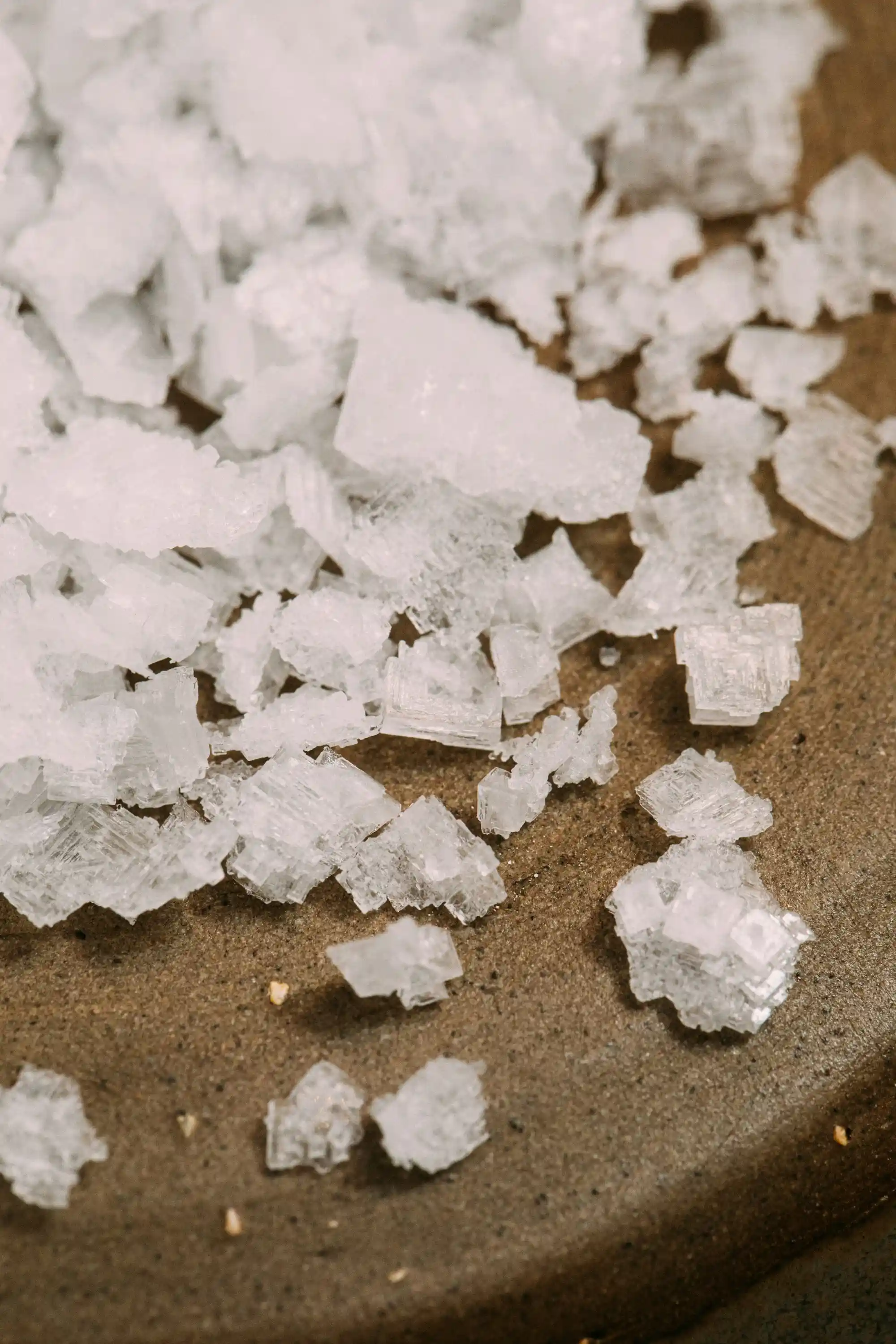
What is Fleur de Sel?
Fleur de Sel is a specific type of sea salt harvested from the Atlantic coast of France. The harvesting process is extremely complex and requires careful maneuvering. This, along with the small amount of Fleur de Sel produced from each batch, contributes to its high price. Since this salt is not a product of complete evaporation, it does not contain any of the natural impurities found in regular sea salt and has a cleaner, more oceanic flavor.
Sea Salt vs. Fleur de Sel
Most sea salt is harvested by allowing saltwater to sit in large pools until the water evaporates and the bottom is covered with salt deposits. However, some of the salt rises to the surface of the water during this process, forming thin and fragile layers. These delicate flakes are collected and sold as Fleur de Sel. Thus, Fleur de Sel is a type of sea salt, but not all sea salt is Fleur de Sel.
What does Fleur de Sel taste like?
Fleur de Sel is salt, so it obviously imparts a salty flavor to dishes, but it is valued in culinary circles for its additional, complex flavors. It has a mineral taste and a sweet-salty, milder flavor. It is also much more moist than kosher or table salt, so the flakes clump together and form small lumps that create pockets of extra saltiness when sprinkled on food. The individual pieces are slightly flaky and uneven, giving them a pleasantly crunchy texture.
How to use Fleur de Sel?
Fleur de Sel is best used as a finishing salt, meaning it should be sprinkled on food after it has been cooked and served on the plate. You can use it for cooking, but the things that make Fleur de Sel so special (and expensive) will be lost. Cooking destroys its special texture, and the unique flavor will be muddled when mixed with other ingredients.
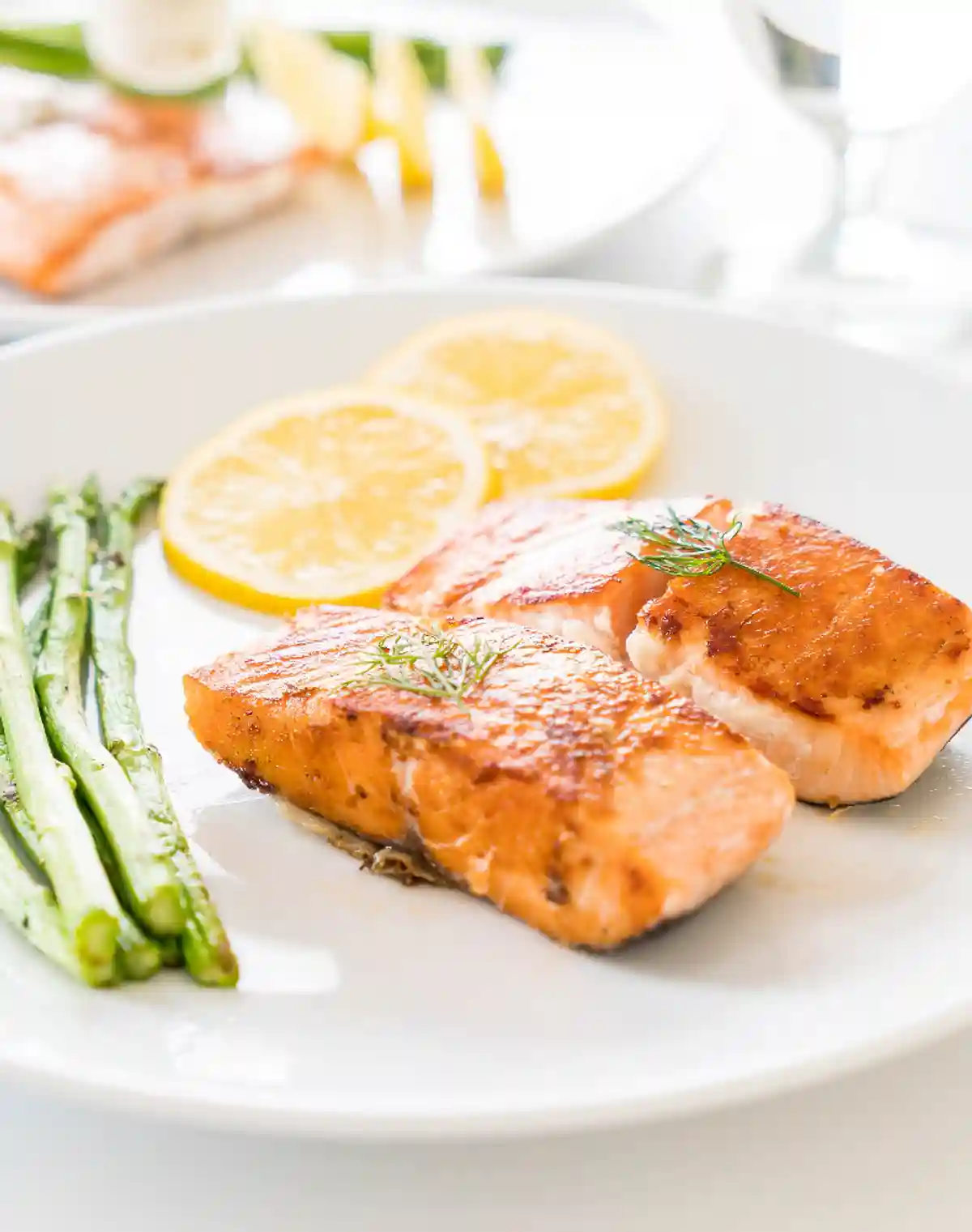
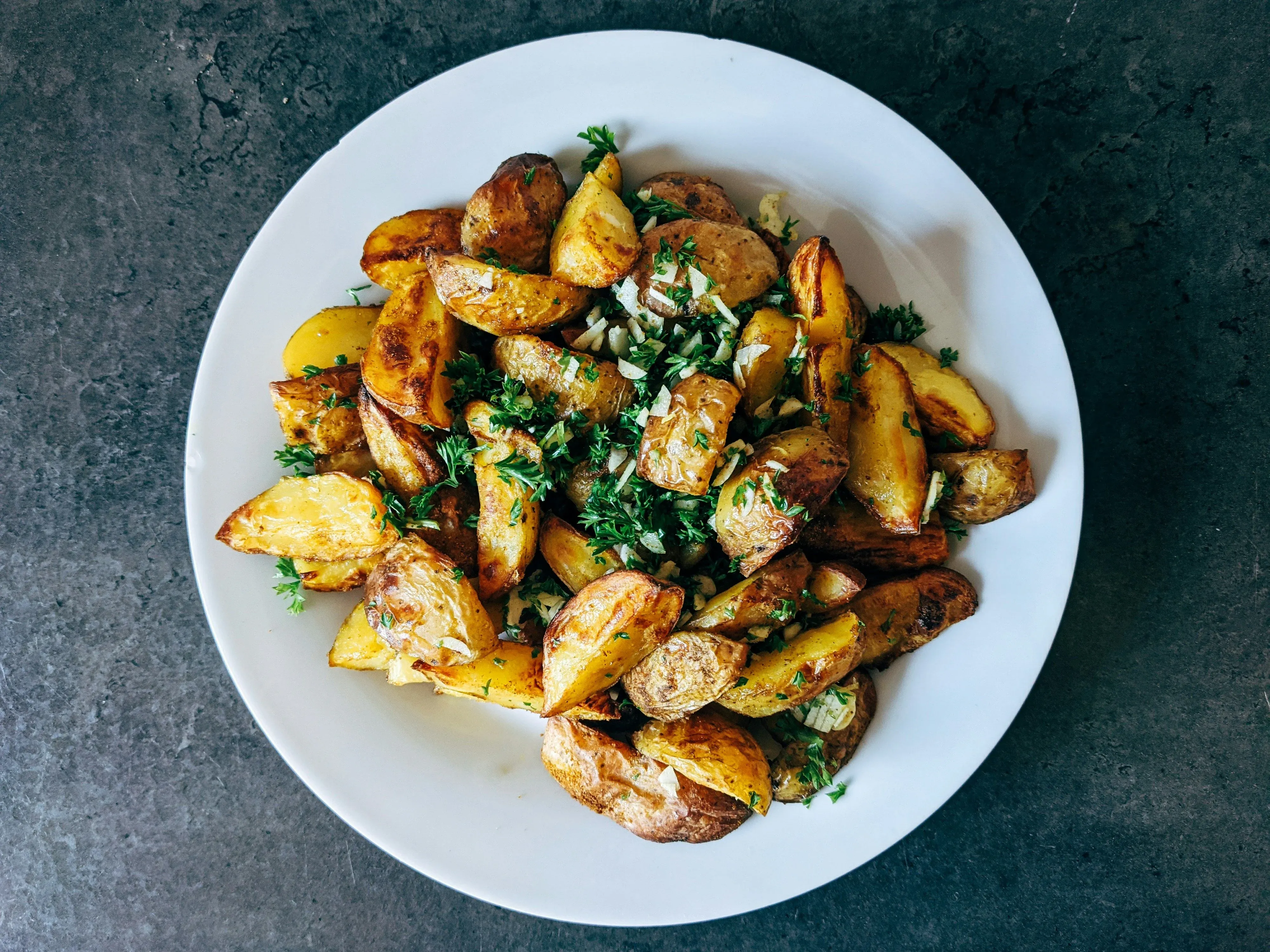
Fleur de Sel is the perfect salt for a big impact when serving. Try sprinkling a pinch on freshly baked chocolate cookies or on the crispy skin of fried fish. Almost any cooked vegetable dish will welcome a sprinkle of Fleur de Sel. Deep-roasted or grilled vegetables also pair exceptionally well with this salt.
Substitutes for Fleur de Sel
Since Fleur de Sel is primarily used as a finishing salt rather than a main seasoning, other types of flaky or finishing salts can be used as substitutes. Fleur de Sel has a characteristic mineral quality and crunchiness that cannot be fully replicated.
Maldon is another French finishing salt that is very popular among professional chefs. It is slightly drier than Fleur de Sel, but the crunchy flakes have a similar texture. Himalayan pink salt has a flavor that is closer to Fleur de Sel, although the texture is very different. Cornish salt is also a suitable substitute.
How to store Fleur de Sel
We typically don’t think of salt as something that can spoil, and technically it doesn’t spoil, but due to the high moisture content of Fleur de Sel, it requires special storage. When you first receive Fleur de Sel, it is likely in some type of plastic or cardboard packaging, two materials that Fleur de Sel does not like. Remove it from the packaging and store it in an airtight glass, ceramic, or porcelain container. Stored this way, it should retain its valuable moisture and stay fresh almost indefinitely.
This content was translated with the help of AI and may contain inaccuracies.
Similar recipes


Related reading
5 min
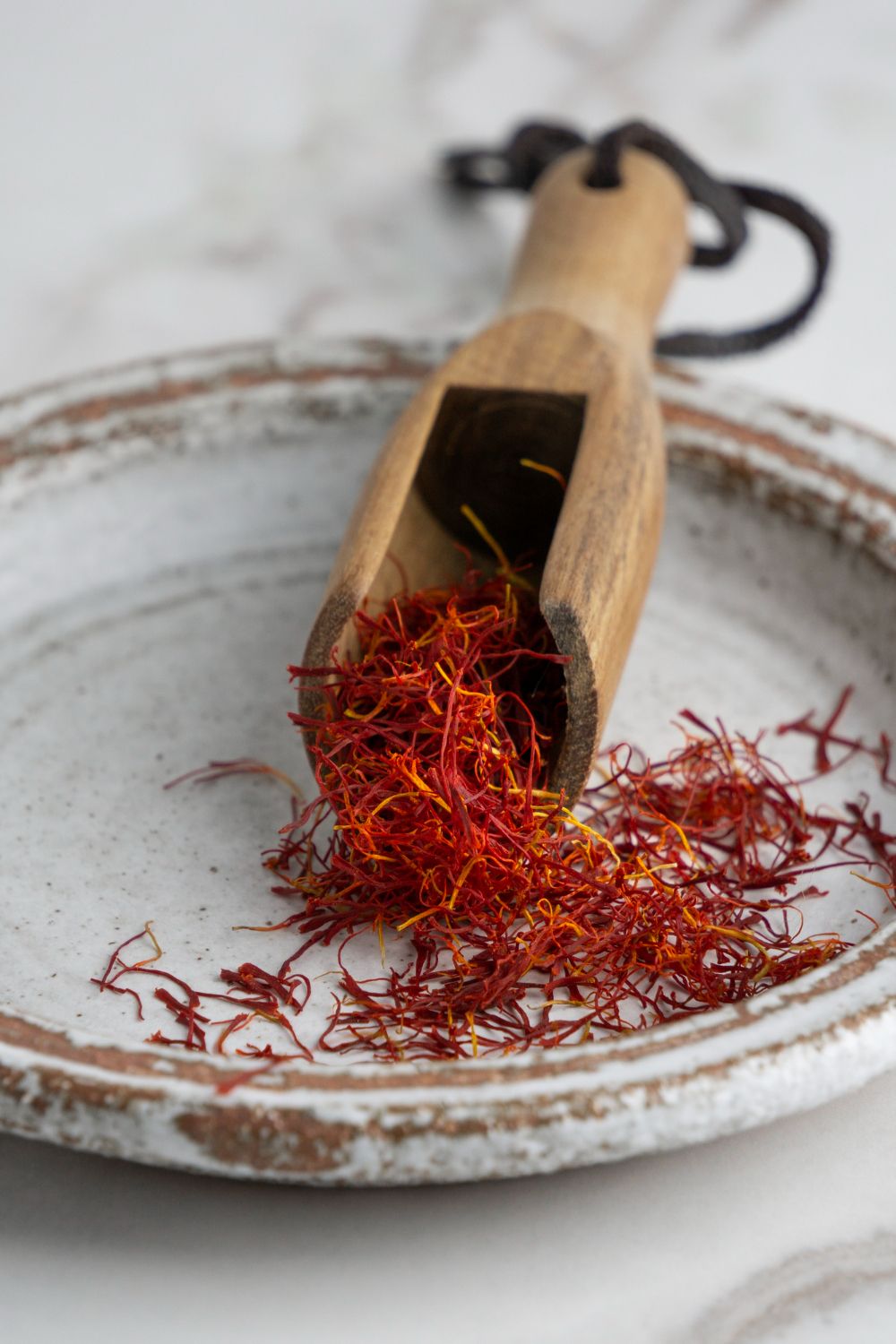
What is Saffron?
5 min
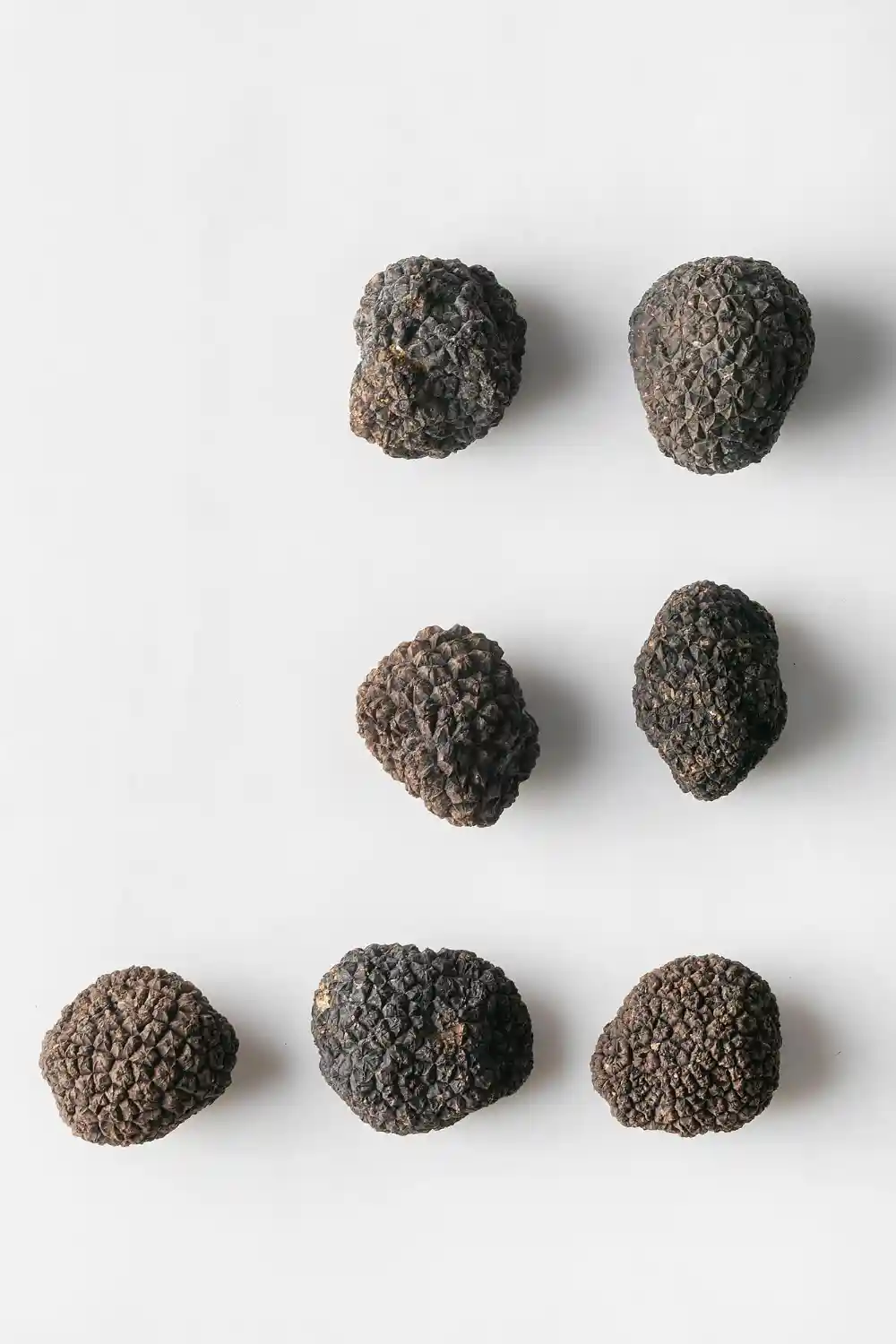
What are truffles and why are they so expensive?
5 min
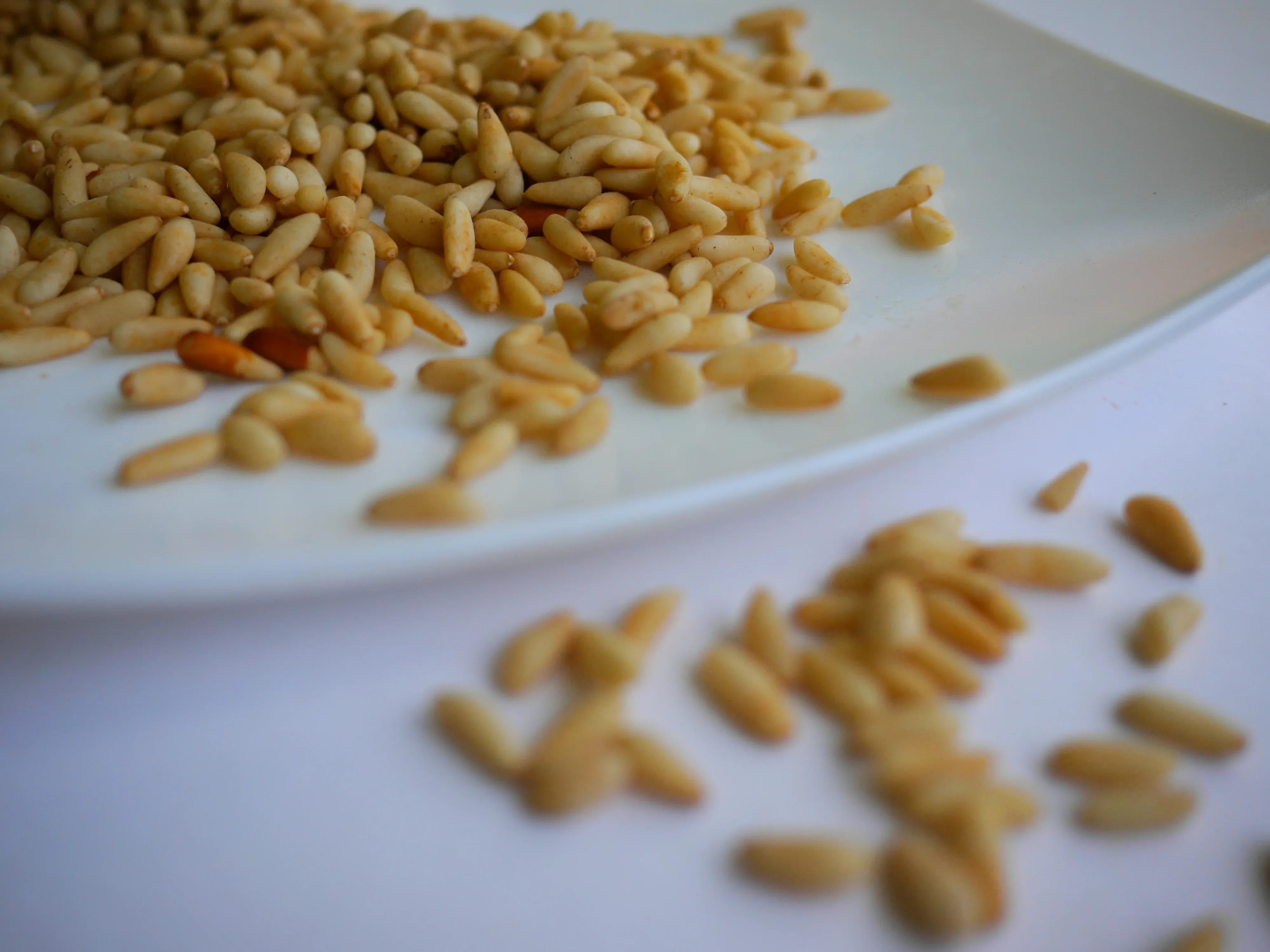
What are pine nuts and why are they so expensive?
4 min
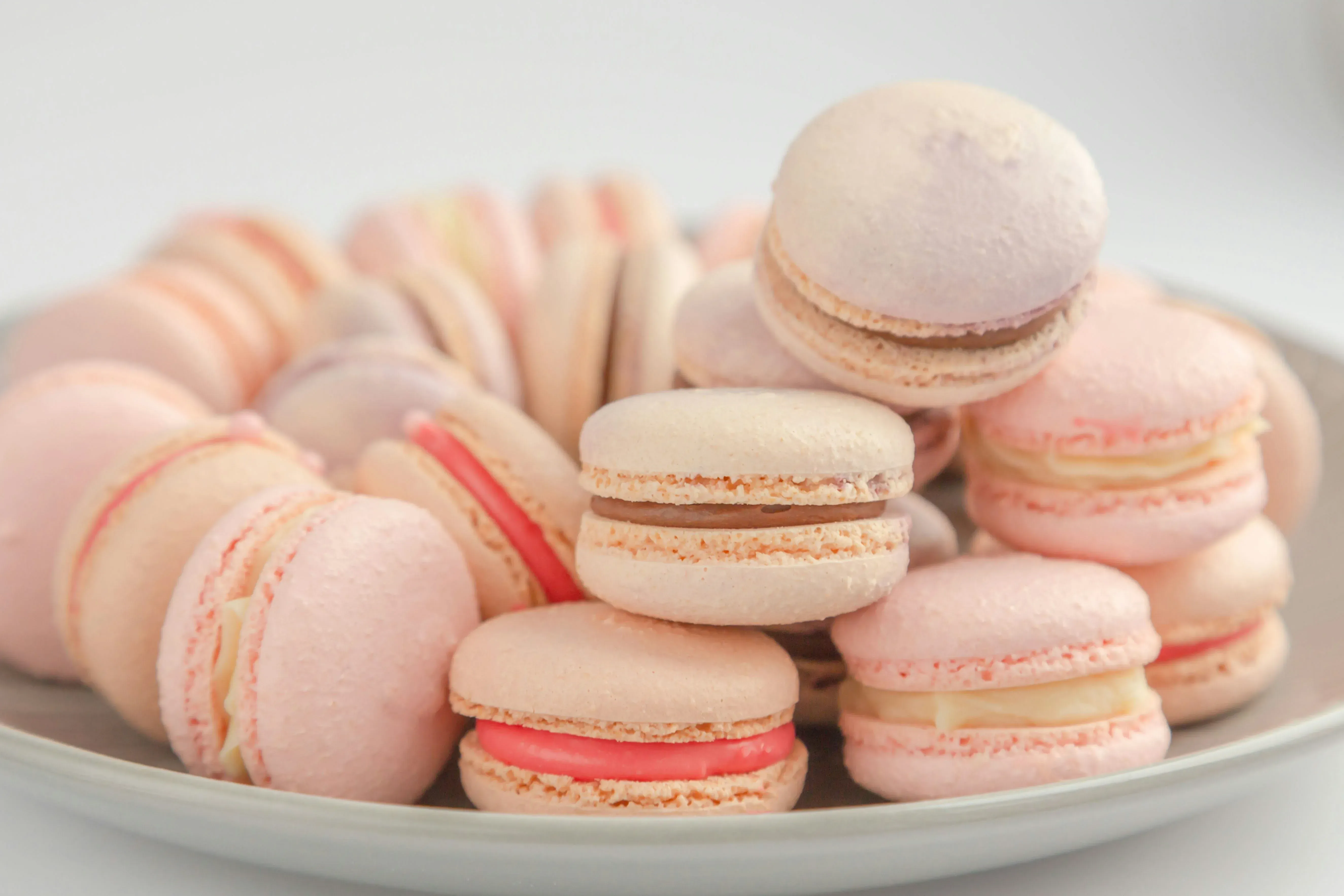
French Culinary Terms: Learn the Language of Fine Cuisine
3 min
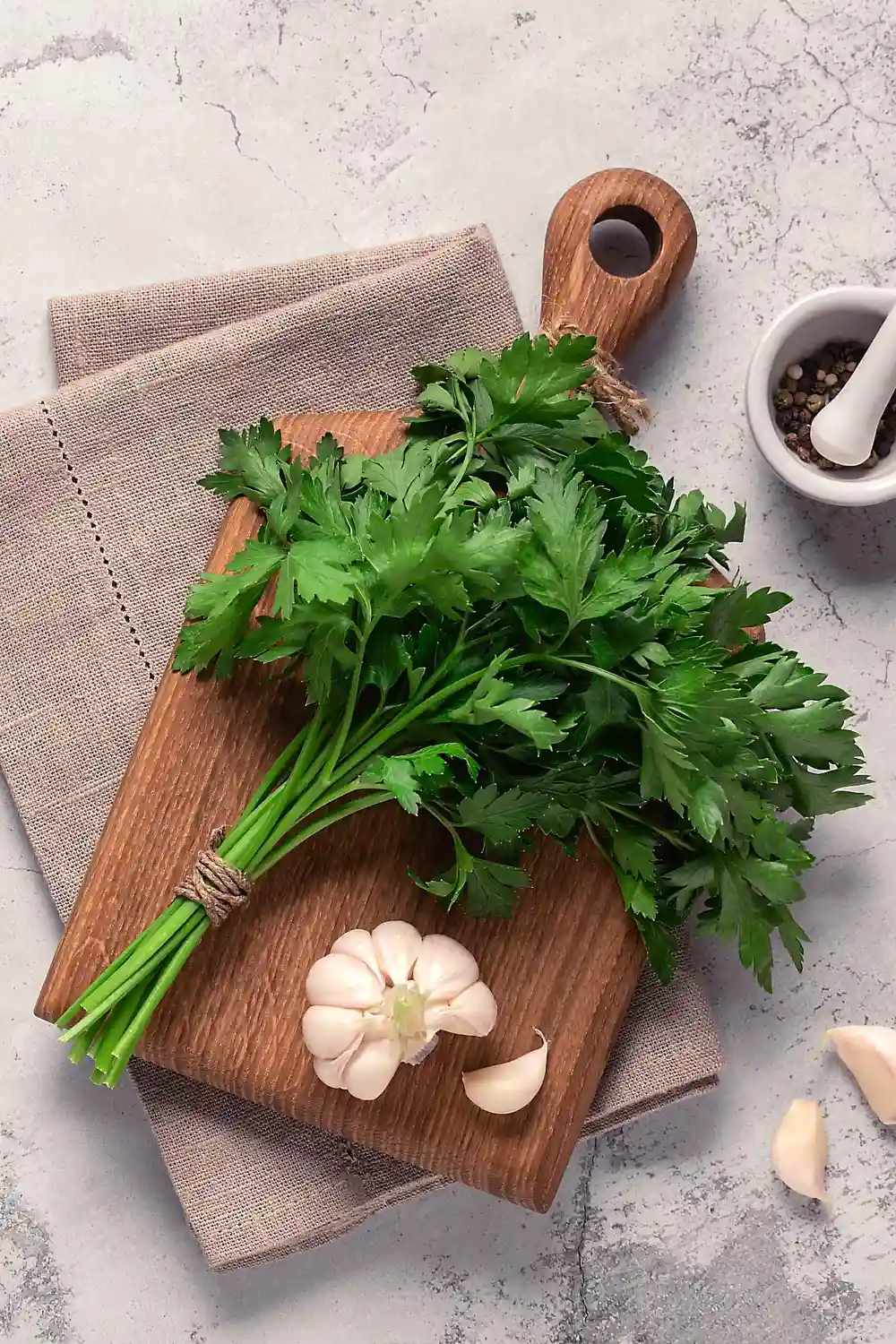
Everything About Cooking with Parsley
3 min
What is Fondue?
4 min
What is Blue Cheese?
5 min
Everything You Ever Wanted to Know About Cinnamon