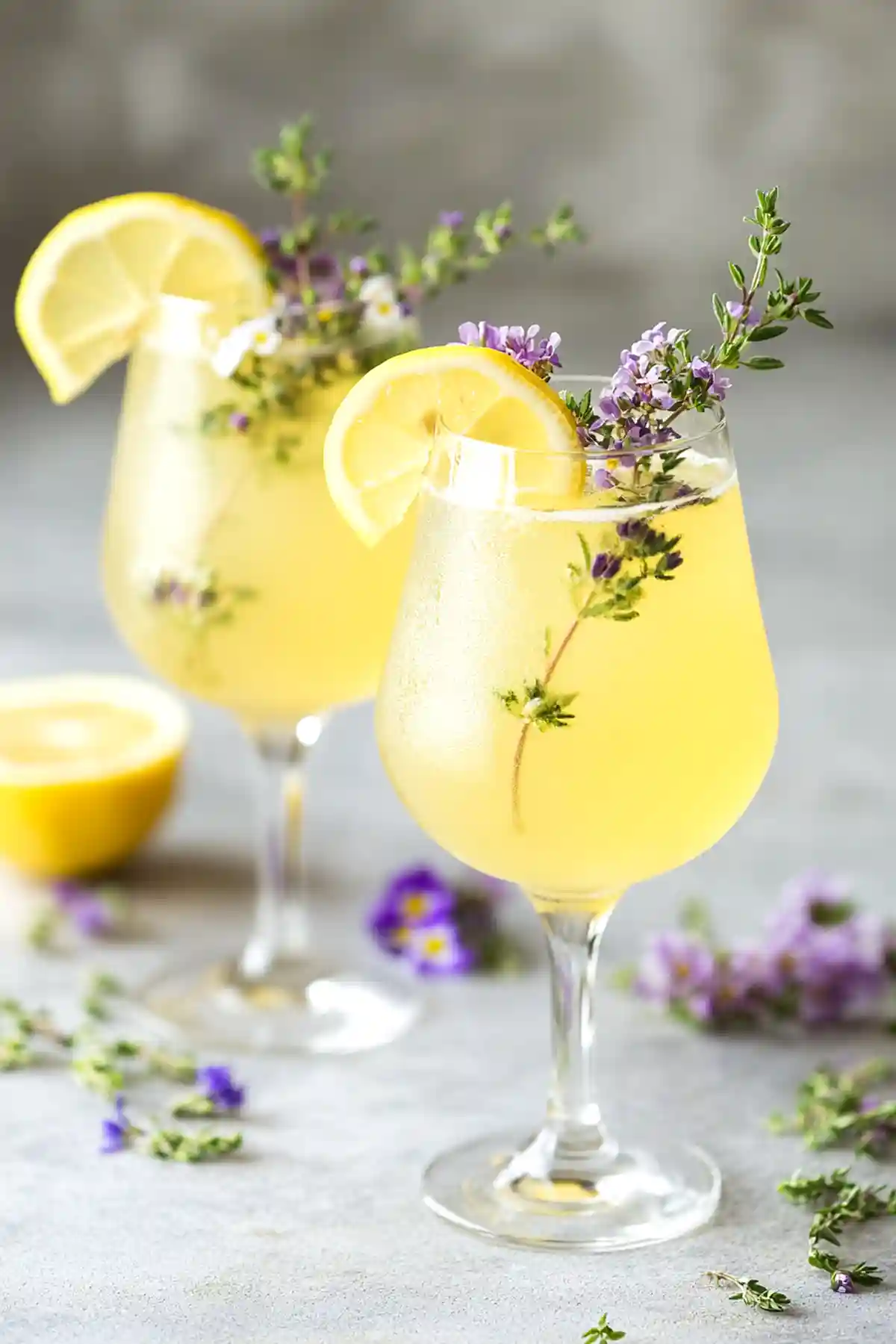
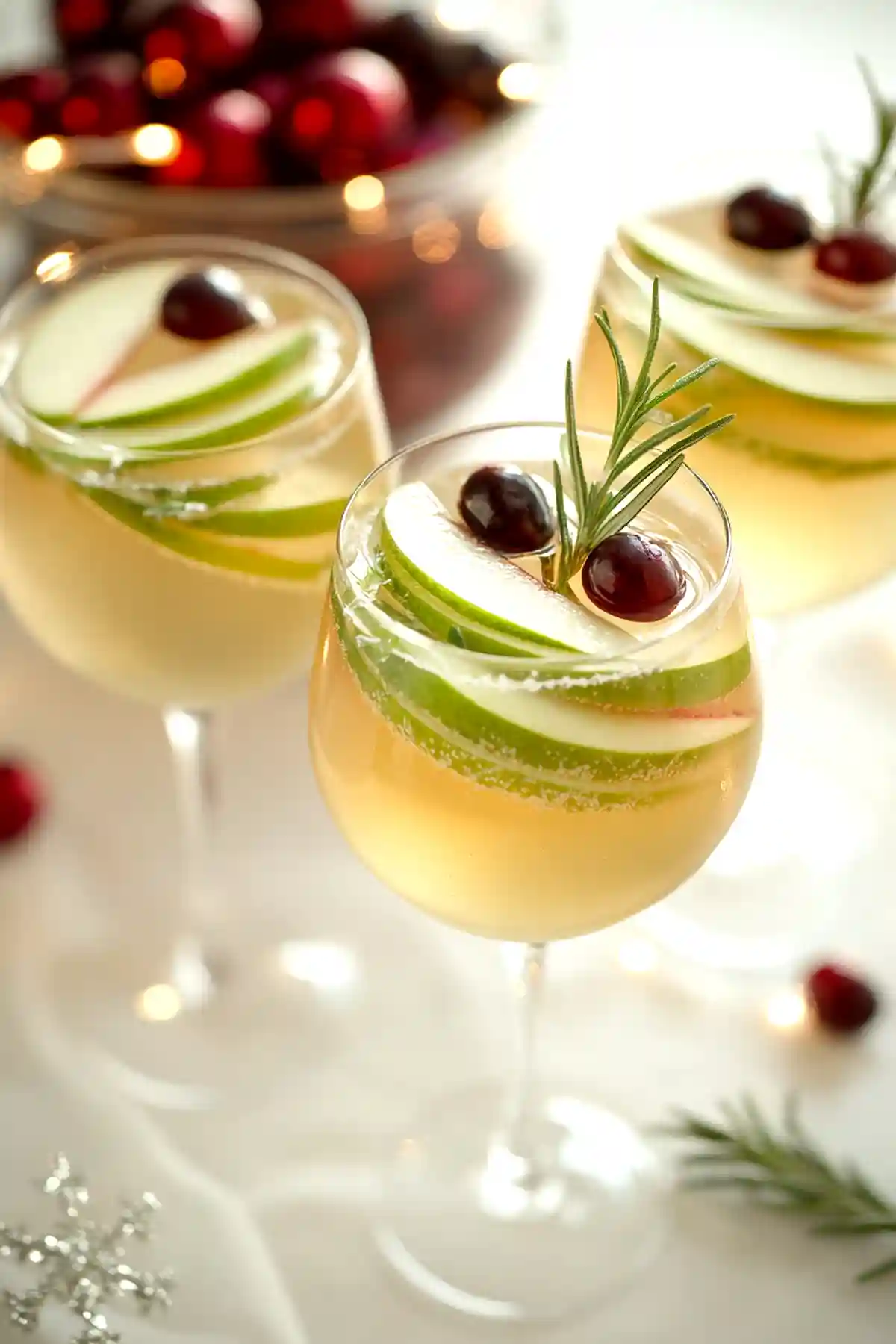
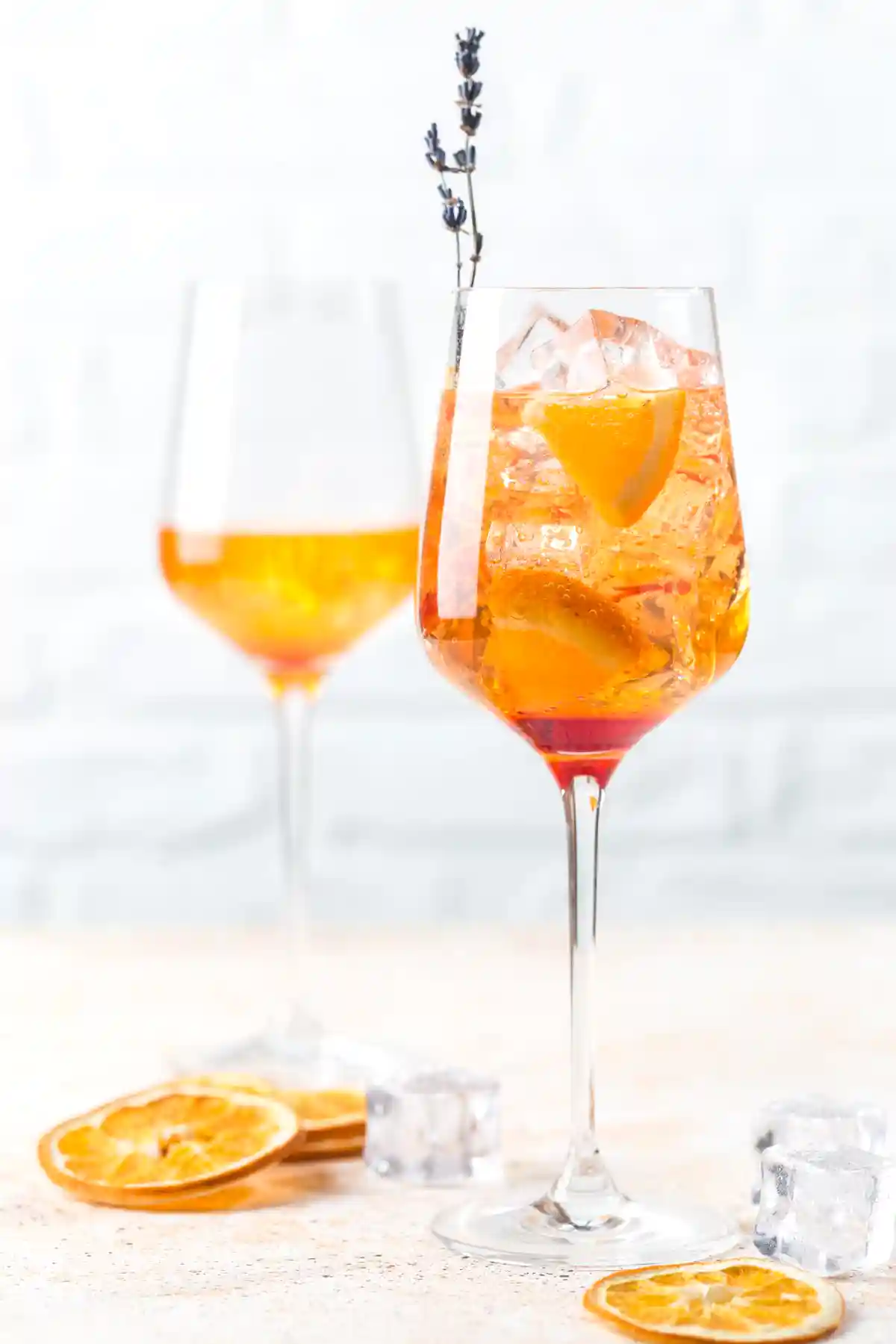
Champagne is perhaps the most famous and prestigious drink in the world, a symbol of celebrations, luxury, and refined culture. But what exactly is champagne? Many people use the word for any sparkling wine, but true champagne comes from a very specific place and follows strict production rules. In this article, we will explore what makes champagne unique, where it comes from, and why it differs from other sparkling wines.
What is Champagne Really?
Елена Талин
5 min

What is the difference between champagne and sparkling wine?
Champagne comes only from the Champagne region and follows strict production rules, while other sparkling wines, such as Prosecco and Cava, are produced in different regions using various methods.
What grape varieties are used for champagne?
Champagne is typically made from three grape varieties: Chardonnay, Pinot Noir, and Pinot Meunier.
Can I call any sparkling wine champagne?
No, only sparkling wines produced in the Champagne region of France can legally be called champagne.
What are the main styles of champagne?
The most popular styles are Brut (dry), Demi-Sec (semi-dry), Blanc de Blancs (made only from Chardonnay), and Blanc de Noirs (made from red grapes).
What makes champagne unique?
True champagne comes only from one region in the world – Champagne, located in the northeastern part of France. For a sparkling wine to be called "champagne," it must be produced in this region, following certain traditional methods known as Méthode Champenoise. This is a legally protected designation that guarantees the quality and authenticity of the product.
No sparkling wine produced outside the Champagne region, even in France, can be called champagne. Similar wines produced elsewhere are usually referred to as Crémant in France, Prosecco in Italy, or Cava in Spain.
How is champagne produced?
The process of making champagne is complex and time-consuming. It all starts with grapes, which must be of certain varieties – typically Chardonnay, Pinot Noir, and Pinot Meunier. These grapes are hand-harvested to preserve their delicate aromas and flavors.
Once the grapes are collected, the first fermentation begins, turning the grape juice into wine. This wine undergoes a second fermentation in the bottle – a key moment in the production of champagne. During this process, a small amount of sugar and yeast is added, which triggers the formation of bubbles. This technique, known as Méthode Champenoise, is what gives champagne its distinctive effervescence and fine texture.
Flavor profiles and styles of champagne
Champagne can vary significantly in flavor depending on the style and grape composition.
The most common types are:
- Brut: The most popular style, characterized by a dry taste and low sugar content.
- Demi-Sec: Semi-dry champagne, which is slightly sweeter than Brut and often served with desserts.
- Blanc de Blancs: Champagne made solely from Chardonnay grapes, which has a fresher and lighter taste.
- Blanc de Noirs: Made entirely from red grapes (Pinot Noir and Pinot Meunier), this style has a fuller flavor and golden color.
Champagne often has aromas of apples, citrus, almonds, and lightly toasted bread, thanks to the unique fermentation and aging process in the bottle.
The difference between champagne and sparkling wine
As mentioned earlier, true champagne can only come from the Champagne region in France and must be produced according to specific rules. Other sparkling wines, while similar in appearance and style, are produced in different regions and by different methods.
For example:
- Prosecco comes from Italy and is made using a cheaper method known as the Charmat method, where the second fermentation occurs in large tanks rather than in bottles.
- Cava comes from Spain and is often produced using a method similar to Méthode Champenoise, but uses different grape varieties.
- Crémant is a French sparkling wine produced outside the Champagne region but also follows methods similar to those for champagne.
When to drink champagne?
Champagne is a symbol of festive moments – from weddings to New Year's, but the truth is that you can enjoy champagne anytime. It pairs excellently with foods like oysters, smoked salmon, soft cheeses like brie, and even with fries to surprise the taste buds.
You can also serve it as an aperitif before a meal or as a finish to dinner with desserts.
Why is champagne a symbol of luxury?
Champagne has been associated with luxury and sophistication since the time of French kings. During the reign of Louis XIV, champagne was consumed at the royal court and quickly became a favored drink among the aristocracy. Over time, its production became more complex and higher quality, and its high price is due to the labor-intensive process of production and its unique status.
Champagne is much more than just sparkling wine – it is a cultural symbol of luxury, celebration, and sophistication. True champagne, which comes from the Champagne region in France, follows strict production rules and offers a unique taste and experience. Champagne will always remain at the top of the world of sparkling wines.
This content was translated with the help of AI and may contain inaccuracies.
Similar recipes