If you've ever poured fruits, especially wet or cut fruits, into a sealing bag and thrown them in the freezer, you know how frustrating it is to take them out later and find one big ice block. You practically need an ice pick to get any pieces of fruit out. This happens because the liquid from the fruits freezes into ice and binds the fruits together.
How to Freeze Blueberries?

Елена Талин
5 min
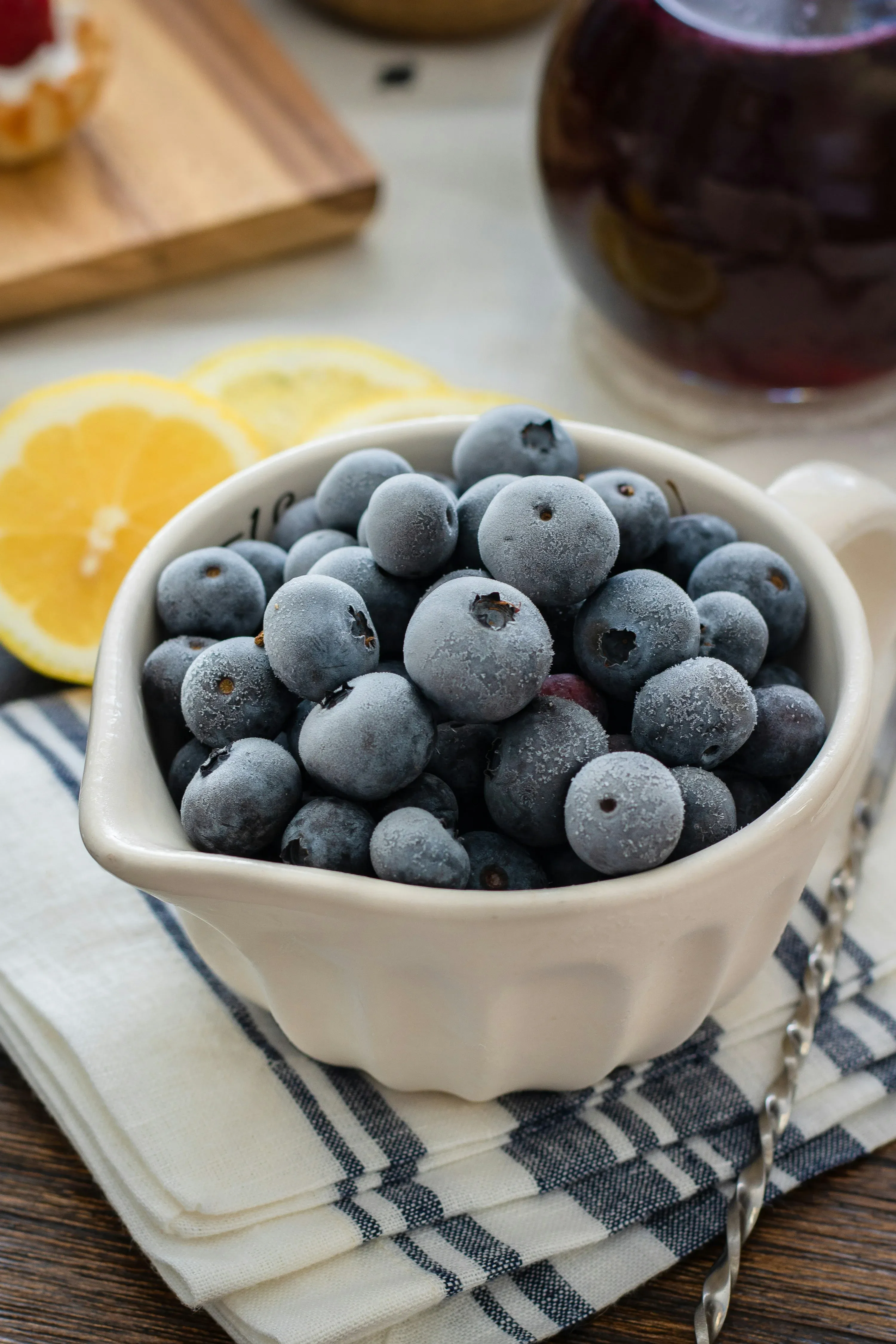
How to freeze blueberries?
The main process of IQF involves spreading the fruits in a single layer so that no two individual pieces touch each other and freeze, after which they are packed into bags once they are solid. You can easily IQF freeze blueberries and other fruits at home using the same method.<br><br>You can wash the blueberries first, but make sure they are completely dry before starting the freezing process. If they are wet, the water on the outside will turn to ice and may ultimately freeze the blueberries together, even if they are spread out, and will make the fruits soggy.<br><br>Spread the fresh, dry blueberries in a single layer on a tray lined with a silicone mat or parchment paper, and place the entire tray in the freezer. Once the blueberries are completely frozen (freeze them for at least three hours, but preferably overnight), package them in freezer containers or resealable bags. Label and date the containers and store them in the freezer.
How long do blueberries last in the freezer?
Blueberries are known to be delicate fruits, and we all know that when one goes bad, the entire container will soon follow. Freezing them can significantly extend their shelf life and give you plenty of time before they spoil. However, they are still perishable and do not have an infinite shelf life in the freezer. If frozen properly and well-sealed, clean blueberries should last in the freezer for up to a year, but are best used within six months.<br><br>Before freezing your fruits, always check them and make sure none are moldy or spoiled, because if you freeze even one that is bad, it can contaminate the entire batch, and the whole lot will have to be discarded regardless of how long they have been frozen.
How to thaw blueberries?
Blueberries typically lose a lot of their structure after being frozen. Ice crystals form inside the fruit, which are sharp and cause the fruit to expand. When thawed, the fruits usually shrink and release much of their juice. For this reason, frozen blueberries are best suited for uses like muffins and pancakes, where you want that classic blueberry flavor but are not as concerned about the crispness of fresh fruits.<br><br>To thaw blueberries before use, the best way is to pour the amount you need into a bowl or container, cover them, and let them thaw slowly in the refrigerator overnight. You can drain the juice if you don’t want it, but some recipes will benefit from substituting some of the required liquid with that delicious blueberry juice. If you need them quickly, keep them tightly sealed in the bag they were frozen in and place them in a bowl in the sink. Run a thin stream of cold water over the bag or container, and depending on the size of the bag, they should be ready to use in less than an hour.
But when you buy fruits in bags at the store, they are not in one huge ice block; the pieces are distributed. This is because in industrial frozen fruit factories, blueberries and other fruits are frozen using a system called IQF. This stands for "individually quick frozen" and is the standard for freezing fruits and vegetables. Fortunately, you can easily mimic this process at home.
This content was translated with the help of AI and may contain inaccuracies.
Similar recipes