Besides peeling corn, garlic, or pineapple, perhaps there is no more annoying kitchen task than removing seeds from fruits. These bitter capsules, while important and necessary for the reproduction of plants, can practically overwhelm the flesh of a watermelon, lemon, or tangerine, making the effort almost pointless.
How are seedless fruits actually made?

Елена Талин
4 min
How are seedless fruits grown?
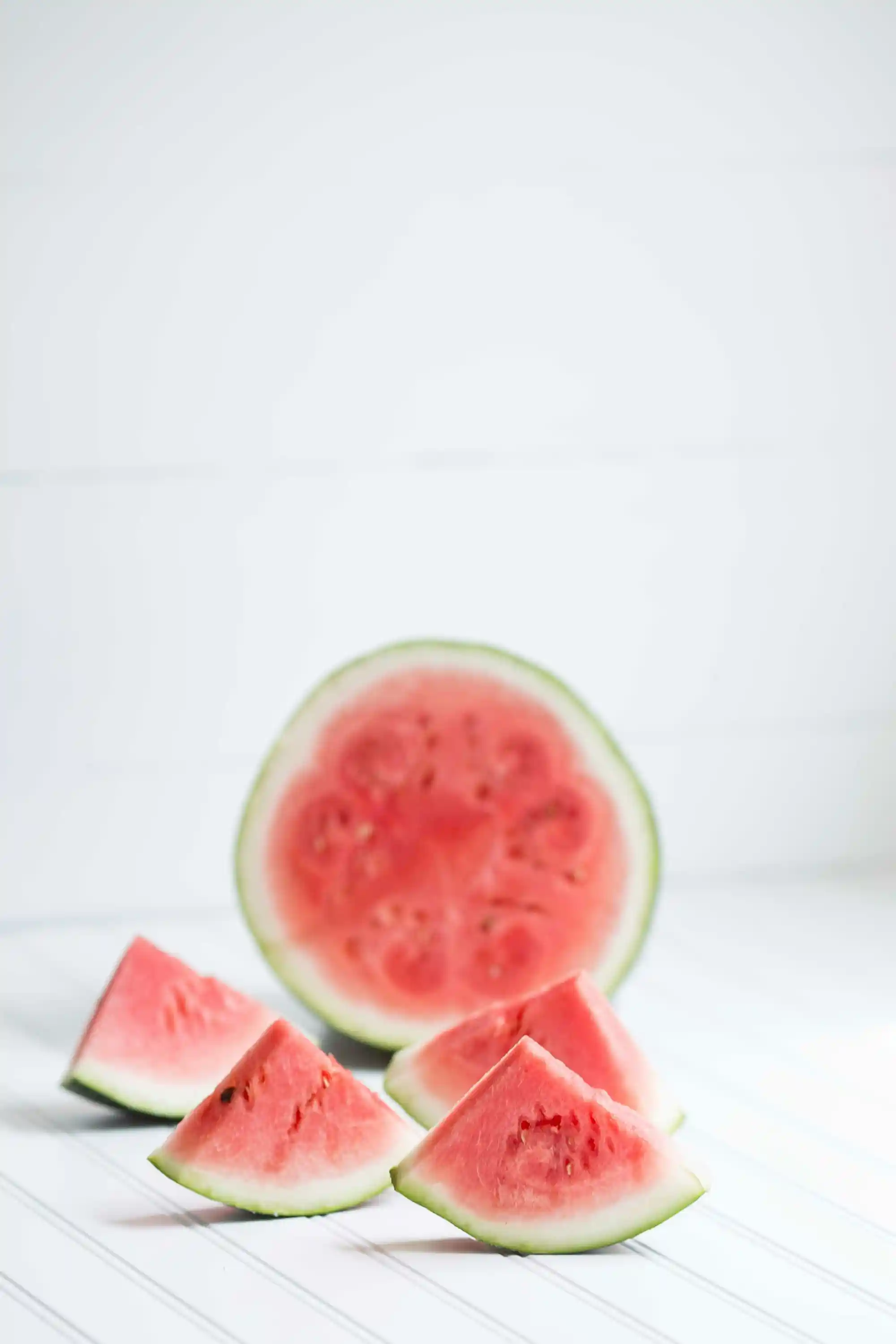
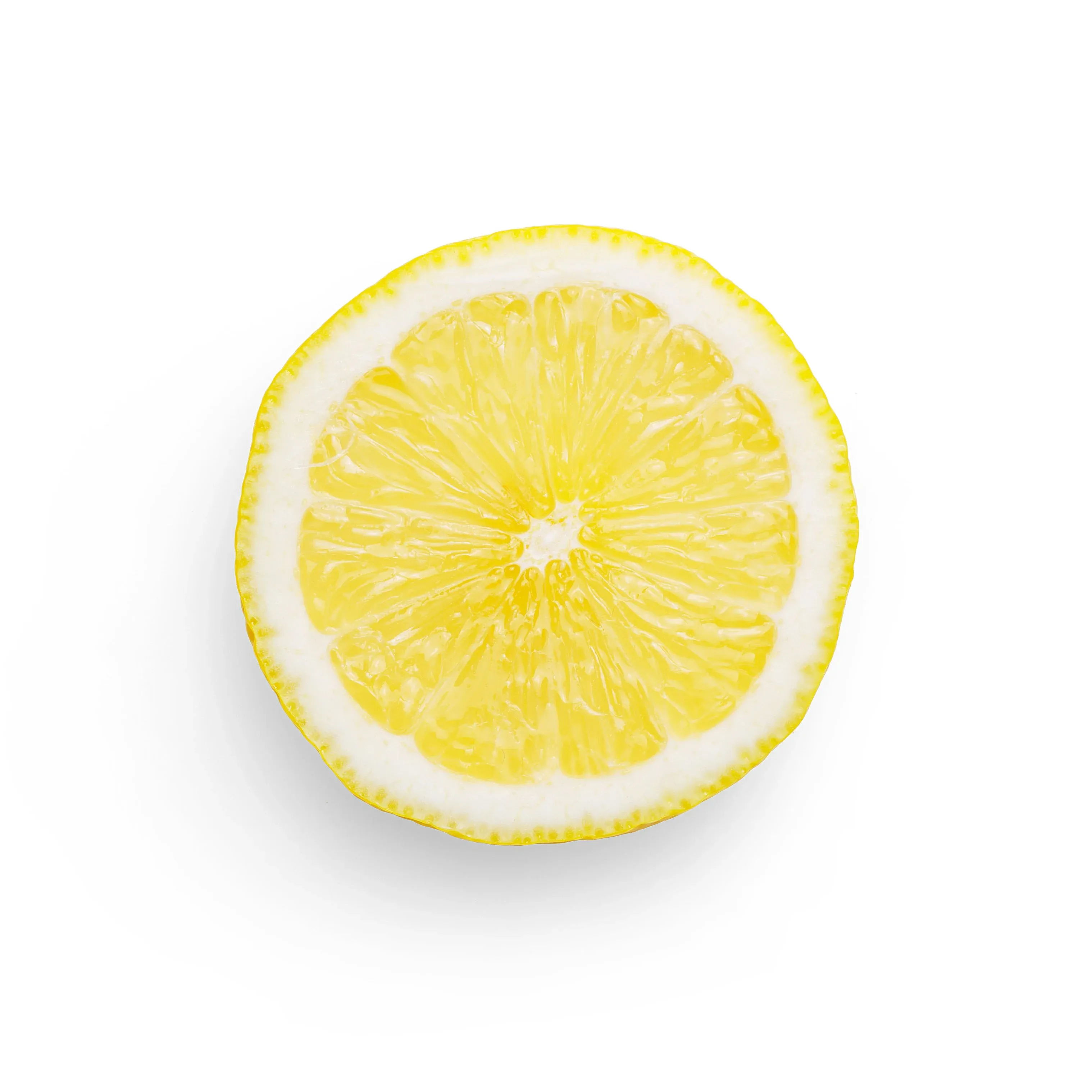
While the nuances of seedless fruit production can vary depending on the fruit, the general phenomenon is known as parthenocarpy: the development of fruit without fertilization.<br><br>Fruits form after the flowering plant is pollinated (thanks to bees and other insects), which also leads to the natural development of seeds. In rare cases, mutations occur, and the fruit grows without fertilization and without the seeds that usually accompany it. Farmers have found ways to propagate these rare cases and encourage the future growth of seedless plants through various agricultural techniques.<br><br>"To create more seedless lemon trees, an Australian farmer took a bud from the seedless lemon tree he discovered and planted it in the root system (the existing base) of another tree," explains Zak Lapham, president of Wonderful Citrus. "This process is called grafting, a horticultural technique used to join parts of two or more plants so they grow as one plant."<br><br>"This resulted in a new variety known to horticulturists as ESL2," he adds, noting that this process is not exclusive to lemons.<br><br>It is important to emphasize that seedless fruits are not genetically modified organisms (GMOs) – this is simply the use of a natural (albeit rare) phenomenon, manipulating future growth by preventing fertilization, and then reaping the benefits through modern practices. Over time and with a little finesse, this is how companies like Wonderful can create enough to meet the needs of millions of seedless lemon enthusiasts.<br><br>However, intervening in the cultivation of plants is not as straightforward as it seems. It can take years of trial and error to achieve the right result. Seedless oranges, for example, may require nets to keep bees away, while watermelons have their chromosomes doubled, sometimes with a chemical compound called colchicine (which still does not qualify as GMO), to produce the beloved seedless fruits.
Is the taste of seedless fruits different?
There is not enough scientific evidence to prove that seedless fruits are tastier or worse than their seeded counterparts, although many people claim that seedlessness actually enhances the fruit's juiciness and sweetness.<br><br>The first claim makes sense with more fleshy volume per unit (which will obviously yield more juice), but the second is likely based on when they were harvested and how far they traveled.
When is the season for seedless fruits?
Some seedless fruits, like watermelon, can be consumed year-round. But seedless lemons are relatively new to the market and are still considered seasonal.<br><br>When life hands you lemons, make them seedless, obviously. And save yourself the inevitable headache of the tedious preparation that goes into cooking, baking, making drinks, and/or just snacking.
But with the advancement of agricultural techniques, the possibility of creating seedless varieties of our favorite fruits has emerged. And surprisingly, the taste, texture, and juiciness were not sacrificed in the process.
This content was translated with the help of AI and may contain inaccuracies.
Similar recipes




Related reading