Don't pretend you haven't thought about this. You're making a sandwich and notice that the piece of cheese has some mold on it. Should you throw it all away or is it okay to cut off the moldy part and eat your lunch? It turns out that you can save some types of cheese, but it depends on the type of cheese.
Is it safe to eat cheese that has a little mold?

Елена Талин
3 min
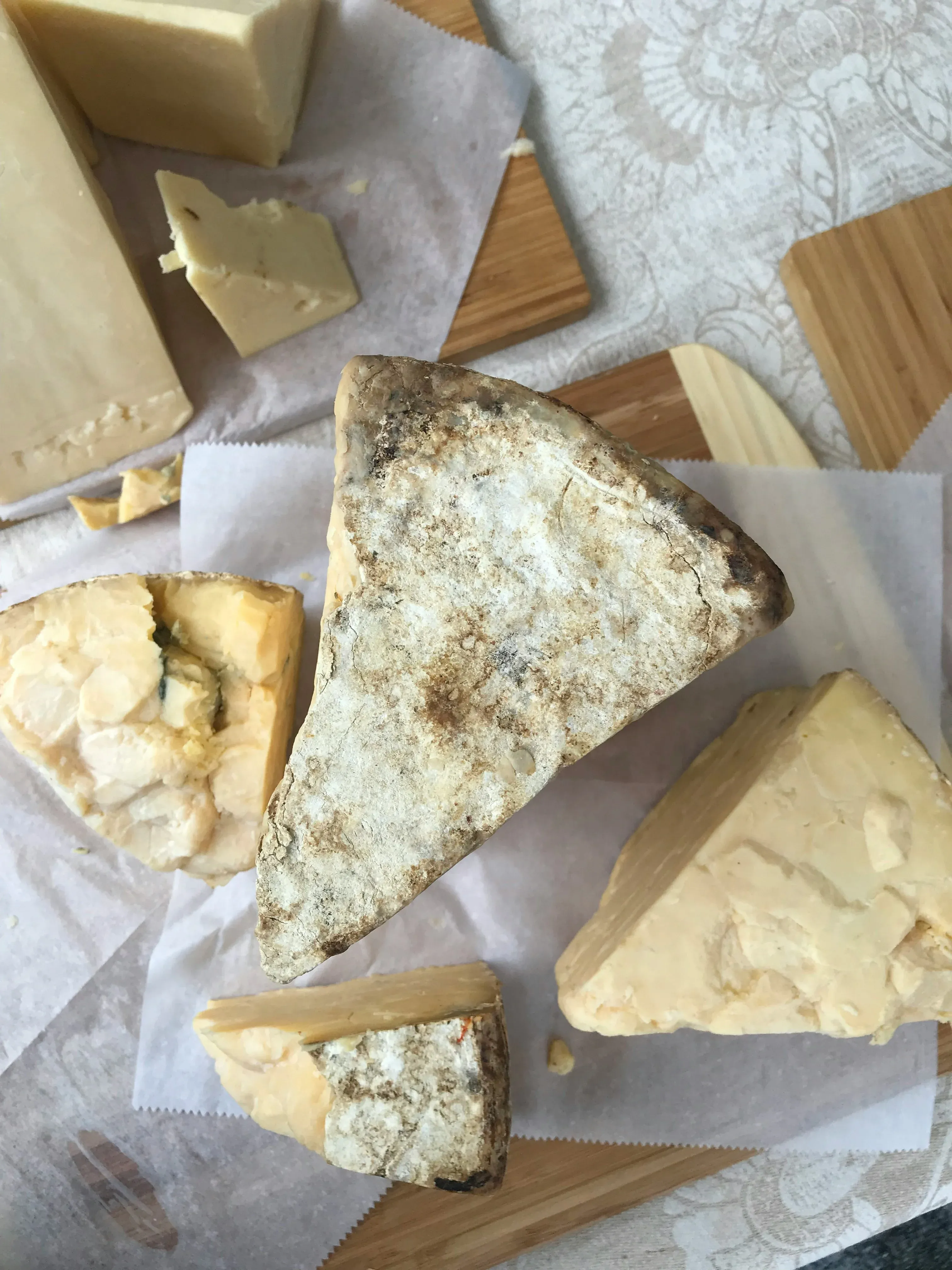
Can I eat hard cheese with a little mold on it?
Yes, for hard and semi-hard cheeses like cheddar or Parmigiano-Reggiano, it is safe to cut off the moldy part (about 1 inch around and below the spot) and consume the rest.
What should I do if there is mold on soft cheese?
If the cheese is soft, like cream cheese, cottage cheese, or ricotta, you should throw it away. Mold can spread beneath the surface and make the product unsafe to eat.
Is the rind of cheeses like Brie and Camembert safe to eat?
Yes, the rind of cheeses like Brie and Camembert is part of the production process and is safe to eat. However, if mold appears that is not typical for the rind, it is better not to consume the cheese.
How should I store cheese to prevent mold?
Store cheese wrapped in parchment or wax paper, which allows the cheese to breathe but does not retain excess moisture. Avoid leaving it in the refrigerator for too long.
Should I throw away the entire package if there is mold on shredded or sliced cheese?
Yes, for shredded, crumbled, or pre-sliced cheese, even a little mold is reason to discard the entire package, as the mold may have spread unnoticed.
Understanding Cheese and Mold
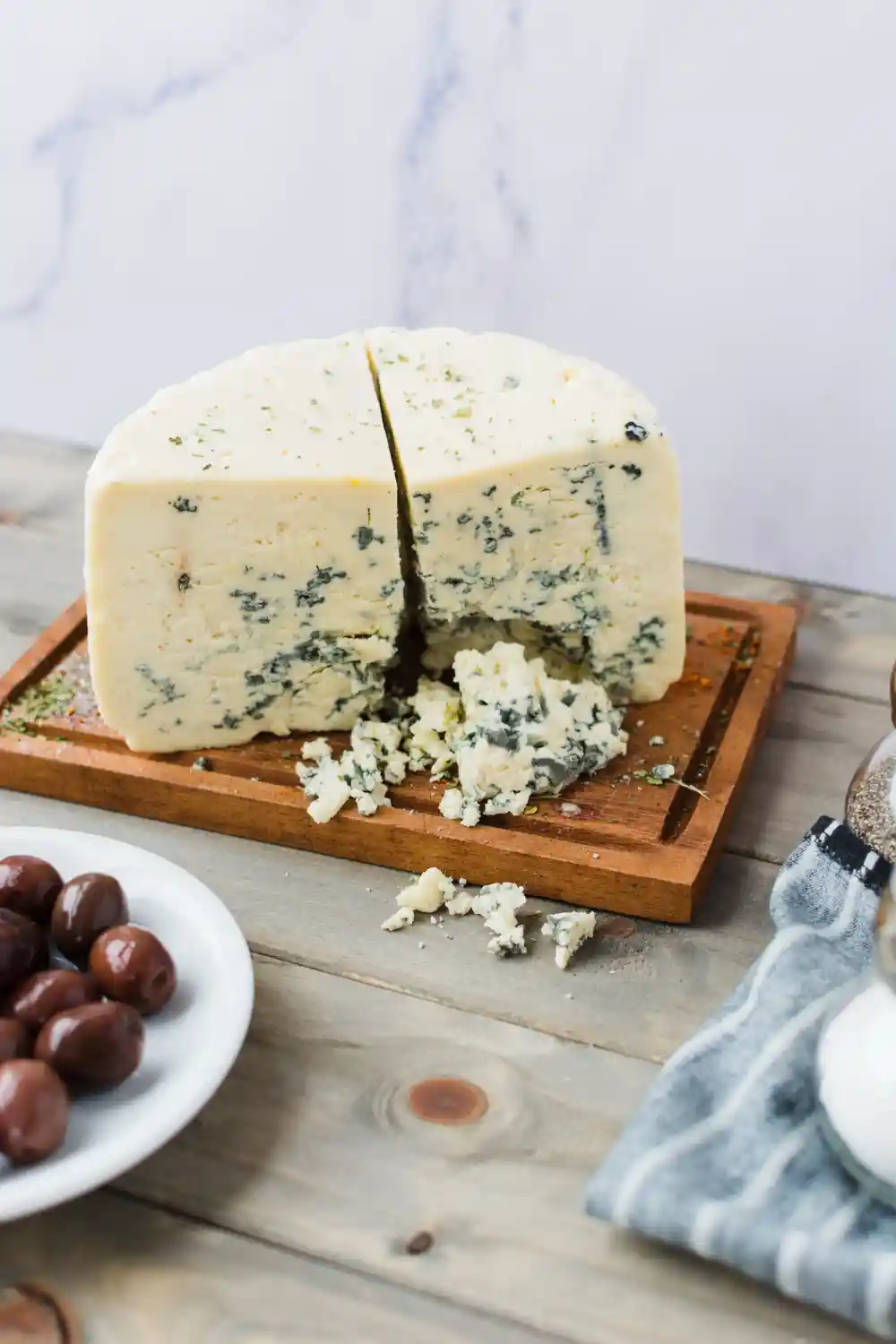
Cheese is made from milk with added salt, 'good' bacteria that help break down the milk, and sometimes an enzyme called rennet that helps the milk coagulate. These microbes continue to be active, sometimes leading to blue, white, or gray mold on the surface of the cheese.
What to Do with Different Types of Cheese?
For hard and semi-hard cheeses (like cheddar, Parmigiano-Reggiano, or Swiss cheese), they don't contain much moisture. Mold usually cannot penetrate deeply into these cheeses, so it is generally safe to cut off the moldy parts and eat the rest.
Some cheeses like Camembert and Brie are made with mold. They are covered with mold – the rind! It is advisable to discard these soft cheeses if they develop mold that is not part of the production process.
But if you find fuzzy, nasty things growing in soft cheese like cream cheese or cottage cheese, then throw it away. Since these products have a lot of moisture, mold can grow beneath the surface and throughout the cheese.
You should also discard the entire package if you find mold in any type of cheese that is shredded, crumbled, or sliced.
Preventing Mold on Cheese
The best way to prevent cheese from molding is to not let it sit around. Buy just the right amount you need for the recipe, sandwich, or cheese you are preparing. Wrap it in parchment or wax paper that will allow it to breathe without trapping excess moisture.
Cheese can not only mold if it sits too long, but it can also become less tasty.
This content was translated with the help of AI and may contain inaccuracies.
Similar recipes